Civil society questions detention of SIO members over their stance on Telangana-Israel collaboration event
Source Entity
India Latest News: Top National Headlines Today & Breaking News | The Hindu
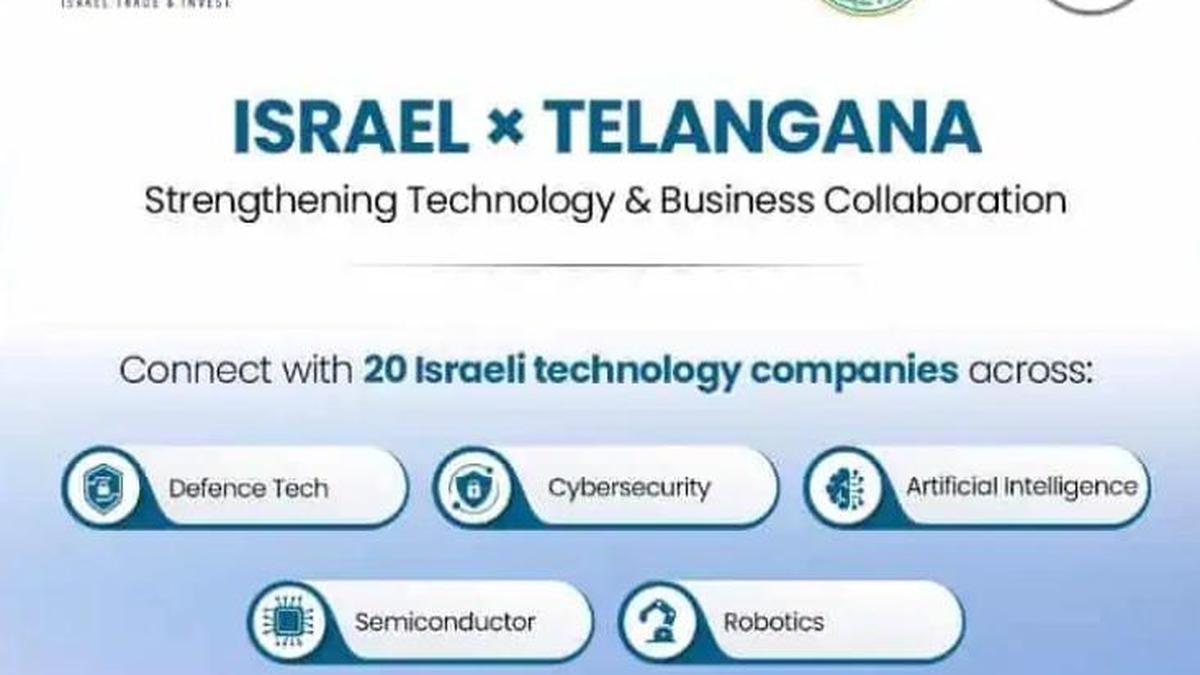
Civil society members in Hyderabad have condemned the detention of SIO activists who protested against a state-sponsored collaboration event with Israel. The incident has sparked a debate over democratic dissent and the alignment of local business partnerships with India's traditional foreign policy.
Tensions Rise Over Telangana-Israel Collaboration
On November 16, 2026, the city of Hyderabad became the focal point of a significant civil liberties controversy following the preventative detention of members of the Students Islamic Organisation (SIO). The detentions occurred shortly after these individuals and various civil society members held a press conference to voice strong opposition to the 'Telangana-Israel Strengthening Technology and Business Collaboration' event hosted at T-Hub. The event, intended to foster economic and technological ties, instead became a flashpoint for political dissent.
The Clash of Policy and Practice
The core of the civil society's argument rests on a perceived contradiction between the state’s current economic initiatives and India's long-standing diplomatic history. For decades, India has maintained a consistent foreign policy of supporting the Palestinian cause, balancing this with strategic partnerships across the Middle East. Critics argue that the Telangana government's aggressive pursuit of technological collaboration with Israel undermines this national stance, effectively prioritizing local business interests over broader geopolitical values.
Concerns Over Democratic Dissent
Beyond the specific diplomatic implications, the incident has raised alarms regarding the state of free speech and assembly. Civil society leaders have decried the police action as a direct curtailment of the democratic right to critique government initiatives. By detaining activists who were raising questions about the ethics of the T-Hub event, the police have inadvertently shifted the narrative from a debate on international trade to a debate on the shrinking space for public discourse and the right to peaceful protest.
Allegations of Targeted Harassment
A particularly sensitive dimension of this incident involves allegations that the detention of the SIO members is part of a broader, systemic pattern. Observers have claimed that authorities are increasingly targeting educated and successful Muslim youth who engage in civic activism. These groups argue that such actions are not merely about maintaining public order, but are intended to intimidate specific demographics who attempt to hold the government accountable for matters of public interest.
The Path Forward for T-Hub and Telangana
The T-Hub collaboration represents Telangana's ambition to become a global hub for innovation and business. However, the backlash highlights that economic development cannot exist in a vacuum, isolated from the political and moral sentiments of the public. As the state seeks to attract international investment, it must navigate the challenge of maintaining transparency and respecting the democratic rights of its citizens. Future trends suggest that if such collaborations continue without addressing the concerns of civil society, the state may face increasing pressure to balance its industrial goals with its social responsibilities.
Conclusion
The events in Hyderabad underscore a growing friction between regional development agendas and the deeply held political convictions of the populace. Whether through continued advocacy for divestment or through legal challenges to the detentions, the controversy is likely to persist. For the Telangana government, the path forward requires a delicate balancing act: fostering technological growth while ensuring that the voices of dissent are not silenced, but rather integrated into a healthy, democratic dialogue.
Verification Required?