The Cybercab is Tesla’s ‘fork in the road’ moment
Source Entity
Sean O'Kane
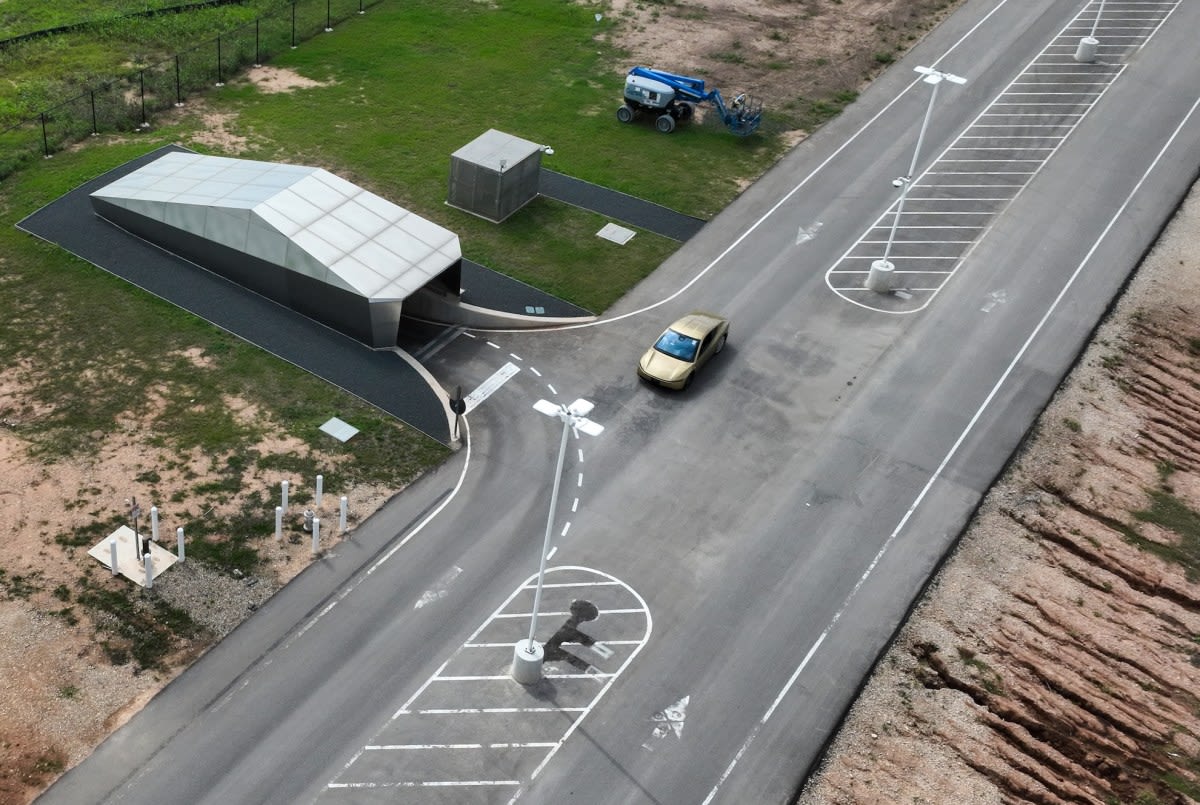
Tesla is officially launching its driverless, two-seater Cybercab in Austin, Texas, featuring a design devoid of steering wheels or pedals. The company is exploring a business model involving third-party fleet operators to scale its autonomous vehicle network.
The Dawn of the Cybercab Era
Tesla’s recent activities in Austin, Texas, mark a pivotal juncture for the automaker as it prepares to formally debut the Cybercab. This two-seater, gold-hued vehicle represents a radical departure from traditional automotive design, characterized primarily by the total absence of a steering wheel or pedals. By relying exclusively on AI and camera-based navigation, the Cybercab is positioned as the centerpiece of Tesla’s long-term pivot toward an autonomous ride-sharing future.
A Design Philosophy Built for Autonomy
The decision to remove manual controls like steering wheels and pedals is more than a design choice; it is a fundamental assertion of Tesla's confidence in its Full Self-Driving (FSD) stack. First unveiled nearly two years ago, the vehicle features distinctive butterfly doors and a compact frame, signaling a move away from personal vehicle ownership toward a service-oriented model. This design evolution reflects years of iterative testing and the maturation of Tesla's neural networks, which have been trained on vast amounts of real-world driving data.
Scaling Through Third-Party Partnerships
A significant development accompanying the launch is Tesla’s outreach to businesses regarding fleet purchasing. By releasing an interest form for potential operators, Tesla is signaling that its scaling strategy involves third-party participation. This shift suggests that the company aims to move beyond a model where only individual owners contribute to the network, instead inviting commercial operators to manage large fleets of Cybercabs, potentially accelerating the deployment of autonomous transit infrastructure.
Strategic Presence and Market Readiness
Tesla has been aggressively building momentum, evidenced by the strategic placement of Cybercabs in major cities like New York and the proliferation of autonomous vehicle registrations in Texas. With 420 autonomous vehicles currently tracked in the state, the infrastructure is clearly being stress-tested ahead of the formal Austin event. This physical presence serves both as a marketing tool and a demonstration of operational readiness, aiming to reassure investors and the public that the technology is transitioning from concept to reality.
Broader Implications and Future Trends
This "fork in the road" moment for Tesla carries profound implications for the automotive and transportation sectors. If successful, the Cybercab could disrupt traditional ride-hailing services by significantly lowering the cost per mile, as the removal of the driver creates a more efficient economic model for transport. However, the success of this endeavor remains contingent on regulatory approval and the continued refinement of its AI-driven navigation, which must prove its safety and reliability in complex, real-world urban environments.
Conclusion
As Tesla hosts its event in Austin, the industry is watching closely to see how the company balances its ambitious vision with the practical realities of mass-market deployment. By moving toward a fleet-based model and doubling down on a driverless design, Tesla is attempting to redefine the future of mobility. Whether the Cybercab becomes the ubiquitous solution Elon Musk has envisioned for years will depend on the scalability of these fleets and the company's ability to maintain public trust in its autonomous systems.
Multiple Citing Sources