Tesla’s door handles may spur new US safety rules
Source Entity
Kirsten Korosec
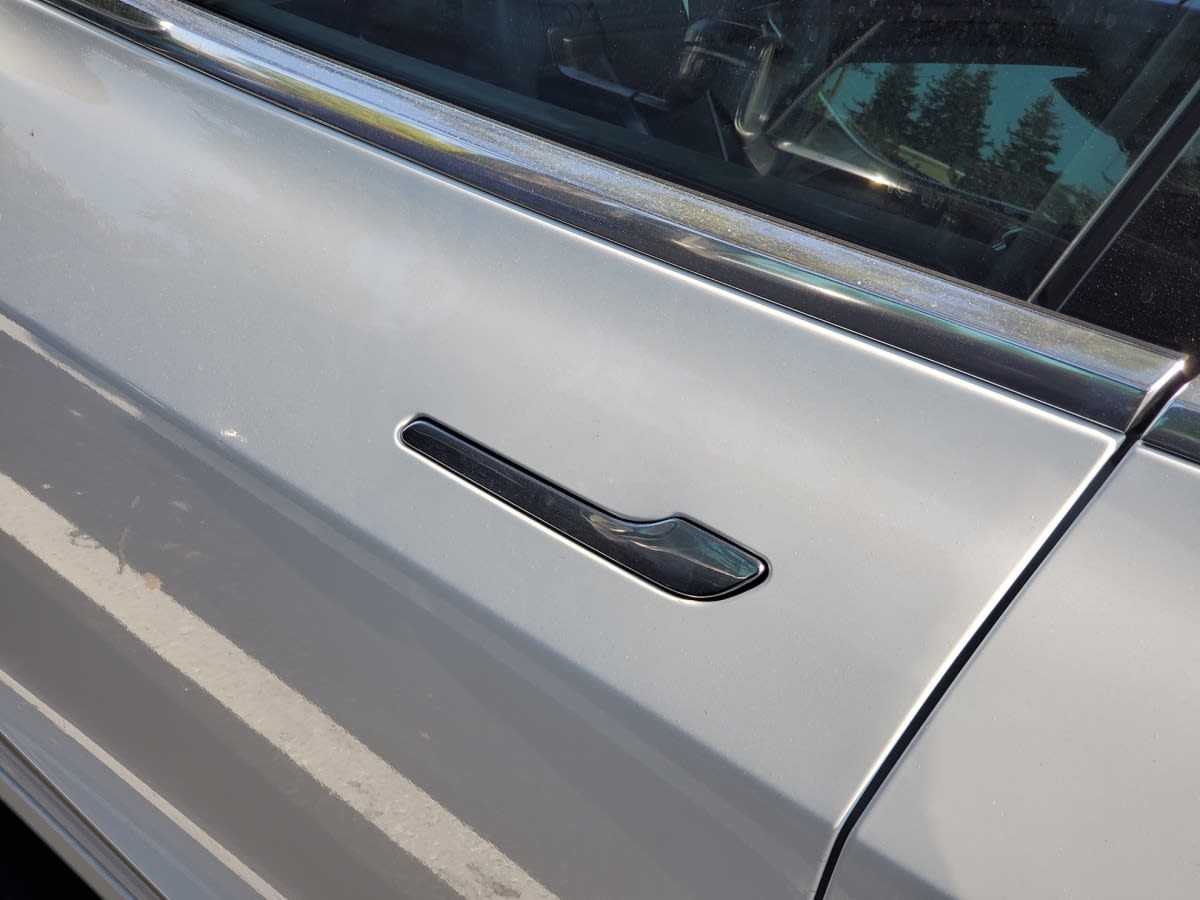
U.S. regulators are initiating new safety rules for vehicle door mechanisms following reports of passengers becoming trapped in cars with electronic handles. The move follows concerns regarding Tesla's flush, electronically operated door designs and their emergency release compliance.
Regulatory Shift in Automotive Door Design
The National Highway Traffic Safety Administration (NHTSA) has officially signaled a move toward more stringent safety requirements for vehicle door mechanisms. This regulatory shift is a direct response to a series of concerning incidents, some of which have resulted in fatalities, where occupants were unable to exit their vehicles during emergencies. The core of the issue lies in the transition from traditional, mechanical door handles to modern, flush-mounted, electronically operated systems that prioritize aerodynamics and aesthetics.
The Tesla Connection and Mechanical Complexity
While the regulatory inquiry is broad, the focus has been significantly sharpened by the design choices seen in vehicles like the Tesla Model 3. The agency’s intervention follows a specific petition that challenged the emergency mechanical door release design on 2022 Tesla models. Critics and petitioners argue that these complex electronic systems—which often require specific, non-intuitive manual overrides—may fail to comply with established federal motor vehicle safety standards, particularly when a vehicle loses electrical power during a crash.
Balancing Innovation and Safety
Automakers have increasingly adopted flush door handles to reduce drag and improve the efficiency of electric vehicles (EVs). However, the NHTSA's involvement highlights the inherent tension between engineering innovation and the fundamental requirement for egress. When technology replaces a simple mechanical linkage with a sensor-based or software-driven release, it introduces potential points of failure that traditional handles do not possess, especially in high-stress, post-accident scenarios.
The Path Toward New Mandates
By initiating this rule-making process, the NHTSA is signaling that the current regulatory framework, which was largely built during the era of purely mechanical door handles, is no longer sufficient to govern the sophisticated interfaces of modern EVs. The agency is looking to establish clear, standardized requirements that ensure occupants can exit a vehicle regardless of the state of the car's electrical systems. This process will likely involve rigorous testing protocols for emergency overrides.
Broader Implications for the Auto Industry
This regulatory scrutiny will likely force a industry-wide reevaluation of door handle design. If the NHTSA mandates specific force requirements or physical placement for emergency releases, manufacturers may have to abandon or significantly redesign the flush handle systems that have become a hallmark of modern EV design. This could lead to a temporary slowdown in the aesthetic evolution of car exteriors as safety compliance takes precedence over drag coefficient optimization.
Looking Ahead: Safety-First Engineering
As the rulemaking progresses, the automotive industry will be under pressure to prioritize 'fail-safe' designs. The outcome of this process will define the next generation of vehicle safety standards, ensuring that even as cars become more 'digital' and software-defined, the basic human necessity of opening a door remains an intuitive and reliable action, even in the most catastrophic circumstances.