Meta drops out of a major clean energy pact as its natural gas buildout accelerates
Source Entity
Tim De Chant
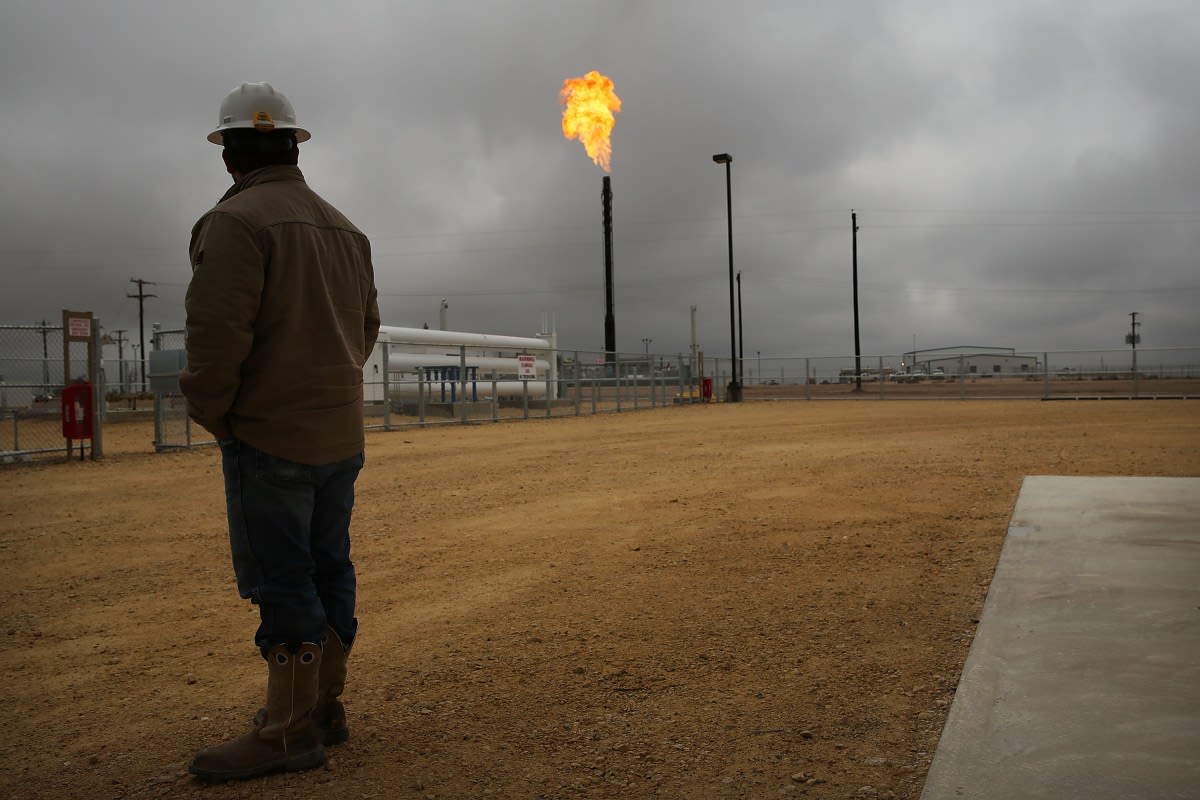
Meta has exited the RE100 renewable energy initiative after a decade of membership. This move coincides with the company's significant expansion into natural gas infrastructure to support its growing AI data center operations.
Meta’s Strategic Shift: From Renewable Pledges to Fossil Fuel Expansion
Meta, the parent company of Facebook and Instagram, has officially withdrawn from the RE100, a prestigious global initiative dedicated to 100% renewable energy adoption. This departure, confirmed by both the company and the Climate Group, marks the end of a ten-year partnership. The decision is not merely an administrative change but a signal of a profound shift in how the tech giant intends to power the massive energy requirements of its artificial intelligence infrastructure.
The AI Energy Paradox
The core of this transition lies in the insatiable power demands of AI data centers. As Meta accelerates its AI development, the traditional reliance on wind and solar power has proven insufficient to meet the 24/7, high-density energy requirements of modern computing clusters. To bridge this gap, Meta has pivoted toward natural gas, funding the construction of at least a dozen power plants over the past year. One notable project is projected to generate electricity equivalent to the total consumption of the state of South Dakota, highlighting the sheer scale of this fossil fuel investment.
Challenging the Definition of Sustainability
The breakup with RE100—described by a Meta spokesperson as a mutual decision—raises critical questions regarding corporate accountability. For a decade, Meta’s membership in RE100 served as a cornerstone of its public sustainability narrative. By stepping away from this commitment while simultaneously accelerating its reliance on gas, the company is forcing a re-evaluation of what “clean energy” means in the era of generative AI. The industry must now grapple with whether tech companies can maintain their climate goals while prioritizing the rapid scaling of AI hardware.
Broader Implications for the Tech Sector
Meta’s move could set a precedent for other Big Tech firms facing similar energy bottlenecks. As AI models grow more complex, the pressure to ensure grid stability and low-latency power availability is mounting. If other industry leaders follow Meta’s lead by prioritizing fossil fuel baseload power over intermittent renewables, the collective progress toward decarbonization within the tech sector may experience a significant plateau, or even a reversal, in the coming years.
Future Trends and Market Outlook
Looking forward, the tension between AI development and environmental sustainability will likely intensify. Investors and regulatory bodies will be watching closely to see if Meta attempts to offset its increased gas usage through other mechanisms or if this represents a permanent decoupling of AI scaling from renewable energy mandates. The departure from RE100 is a clear indicator that for Meta, the immediate necessity of power reliability for its AI roadmap has superseded the reputational and sustainability-focused goals of its previous clean energy initiatives.