Tesla spins up robotaxi pilots in Orlando and Tampa ahead of Q2 earnings
Source Entity
Sean O'Kane
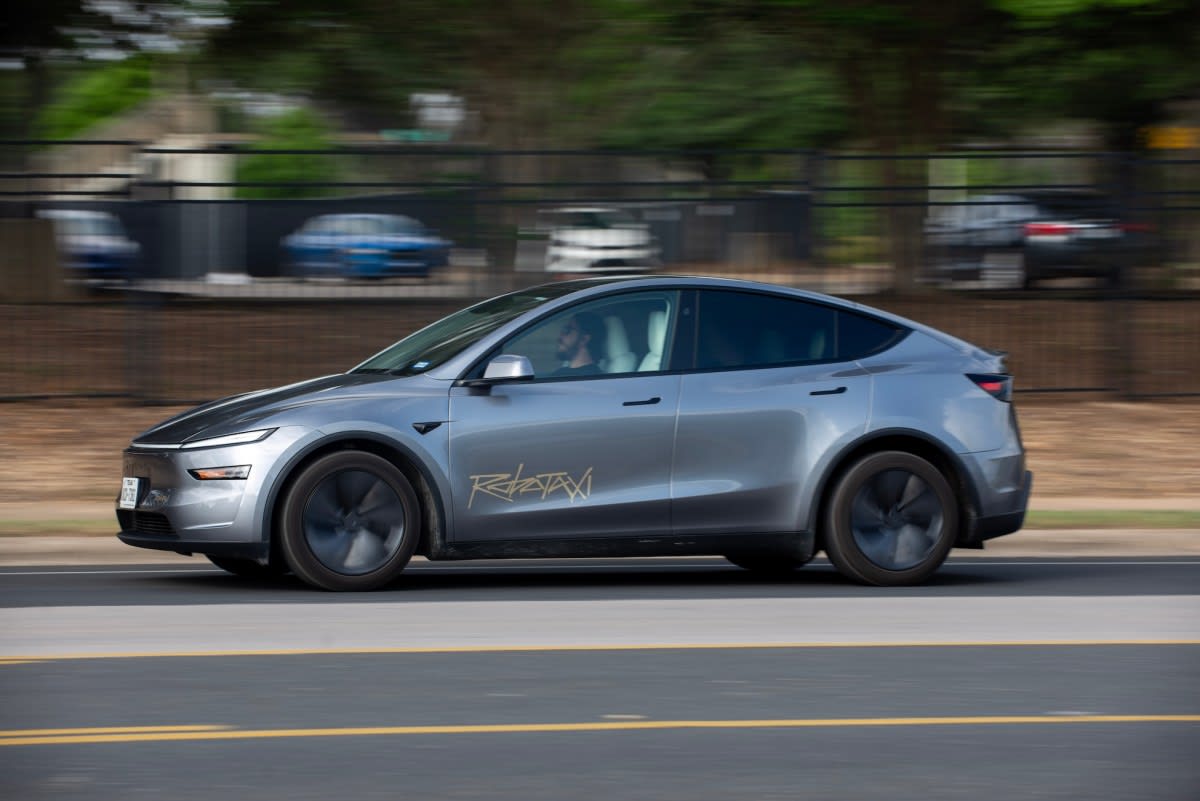
Tesla has expanded its robotaxi pilot program to Orlando and Tampa, Florida, ahead of its second-quarter earnings call. This cautious rollout reflects a shift from CEO Elon Musk's previous aggressive promises regarding autonomous fleet scaling.
Tesla Expands Robotaxi Pilot Program to Florida
Tesla has officially extended its nascent robotaxi service to Orlando and Tampa, Florida, deploying an unspecified number of unsupervised Model Y SUVs. This development, confirmed via a social media post on X, arrives just one day before the company’s second-quarter earnings call. This expansion follows a previous, limited launch in Miami, marking a strategic, albeit geographically restricted, increase in the company's autonomous footprint within the state.
A Cautious Approach to Autonomy
While the announcement highlights progress, the scale of the operation remains notably modest. Tesla has opted not to disclose the specific number of vehicles deployed in these new markets, and the service areas mapped for Orlando and Tampa are relatively small. This measured pace stands in stark contrast to the more ambitious, high-volume growth projections previously touted by CEO Elon Musk. By choosing a granular, city-by-city rollout, Tesla appears to be prioritizing operational stability and regulatory compliance over rapid, nationwide deployment.
The Earnings Call Connection
The timing of this rollout is far from coincidental. Historically, Tesla has utilized the lead-up to financial reporting periods to generate momentum around its autonomous vehicle initiatives. Similar announcements regarding autonomous fleets in Dallas and Houston were made prior to the company’s first-quarter earnings release. However, observers have noted that those initial announcements have yet to translate into significant, large-scale commercial operations, suggesting that these pilot programs serve as both technical testing grounds and strategic signaling to investors.
Strategic Implications for Investors
For shareholders, the robotaxi service represents a critical pillar of Tesla’s long-term valuation. The transition from a vehicle manufacturer to an AI and robotics-focused mobility provider is central to the company’s current market narrative. However, the disconnect between past promises and the current, slow-moving reality of these pilots has become a point of scrutiny. Investors will likely look for concrete data on fleet performance, safety metrics, and a clearer timeline for commercial scalability during the upcoming earnings call.
Future Trends and Challenges
Looking ahead, the success of these Florida pilots will depend on Tesla’s ability to navigate the complexities of urban traffic and evolving local regulations. As the company continues to refine its software without the benefit of a traditional press office to manage public relations, the burden of proof rests heavily on the performance of the vehicles themselves. Whether these small-scale pilots can eventually evolve into a robust, revenue-generating network remains one of the most significant questions facing the automotive industry today.
Multiple Citing Sources