Tesla Profit Falls As Musk Ramps Up Spending On AI, Robotaxis
Source Entity
NDTV News Search Records Found 1000
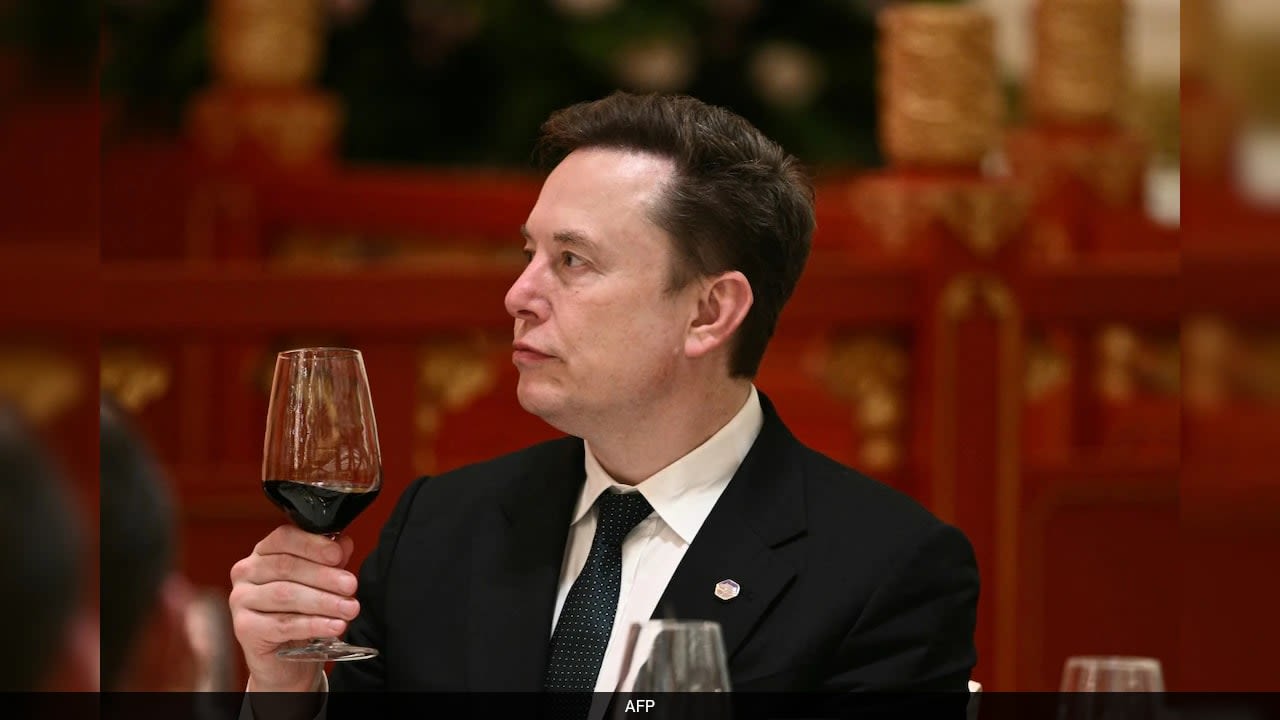
Tesla's recent earnings report highlights a decline in profits as CEO Elon Musk prioritizes heavy investment in AI and autonomous vehicle infrastructure. Investors remain focused on the potential long-term returns of the company's ambitious robotaxi and Optimus humanoid robot projects.
The Strategic Pivot: Tesla's Aggressive AI Bet
Tesla’s recent financial results underscore a significant shift in corporate strategy, as the electric vehicle giant reports a decline in profits directly tied to an intensification of capital expenditure. CEO Elon Musk has consciously chosen to prioritize long-term technological dominance in the realms of Artificial Intelligence (AI) and autonomous transport over immediate quarterly margins. This decision reflects a broader trend among tech-centric enterprises where the race for supremacy in foundational AI infrastructure takes precedence over short-term fiscal performance.
The Robotaxi and Optimus Imperative
Central to this spending surge are two highly anticipated projects: the Tesla Robotaxi and the Optimus humanoid robot. By funneling resources into these initiatives, Musk is attempting to transition Tesla from a traditional automotive manufacturer into a robust AI and robotics powerhouse. The market’s reaction, characterized by intense investor focus, highlights the high-stakes nature of these investments. While current profitability has taken a backseat, the long-term viability of Tesla’s valuation is increasingly tethered to the successful deployment of autonomous fleets and advanced robotics.
Market Sentiment and Wall Street Expectations
Wall Street’s reaction to these earnings has been one of cautious anticipation. Investors are clearly weighing the immediate impact of reduced earnings against the potential for market-disrupting innovation. The eagerness for news regarding the Robotaxi and Optimus reflects a market that is looking past the current quarter, focusing instead on whether Musk’s vision for an autonomous future can be realized before competitors catch up. This focus is a testament to the influence Musk wields, as he steers capital toward projects that promise to reshape the transportation and labor sectors.
Historical Context of Tesla’s Innovation Cycle
Tesla has historically operated under a model where periods of rapid, high-risk spending are followed by massive leaps in product capability. Much like the early development phases of the Model 3, which strained the company’s cash reserves, the current investments in AI infrastructure represent a cyclical investment pattern. The company is betting that the infrastructure costs incurred today will create an insurmountable competitive moat, effectively insulating Tesla from future market saturation or technological obsolescence in the EV space.
Future Trends and Potential Implications
Looking forward, the success of Tesla’s pivot will be measured by the operational readiness of its autonomous systems and the scalability of its manufacturing processes for robotic units. If these investments yield the promised efficiency gains and new revenue streams, the current dip in profit will be viewed as a prudent tactical sacrifice. However, if the development timeline for the Robotaxi or Optimus stalls, the company may face mounting pressure from shareholders to balance its innovation-heavy budget with more traditional fiscal discipline.
Concluding Summary
In conclusion, Tesla’s current financial posture is a deliberate trade-off. By sacrificing immediate profitability to accelerate the development of AI-driven robotaxis and humanoid robots, Elon Musk is doubling down on a future where software and automation define the company's value. The road ahead remains volatile, but the company’s trajectory is firmly set toward a transition that could fundamentally alter the landscape of both personal transport and industrial automation.
Verification Required?