Execution Issues and a Huge Valuation Make Tesla Stock Unattractive
Source Entity
Yahoo Finance
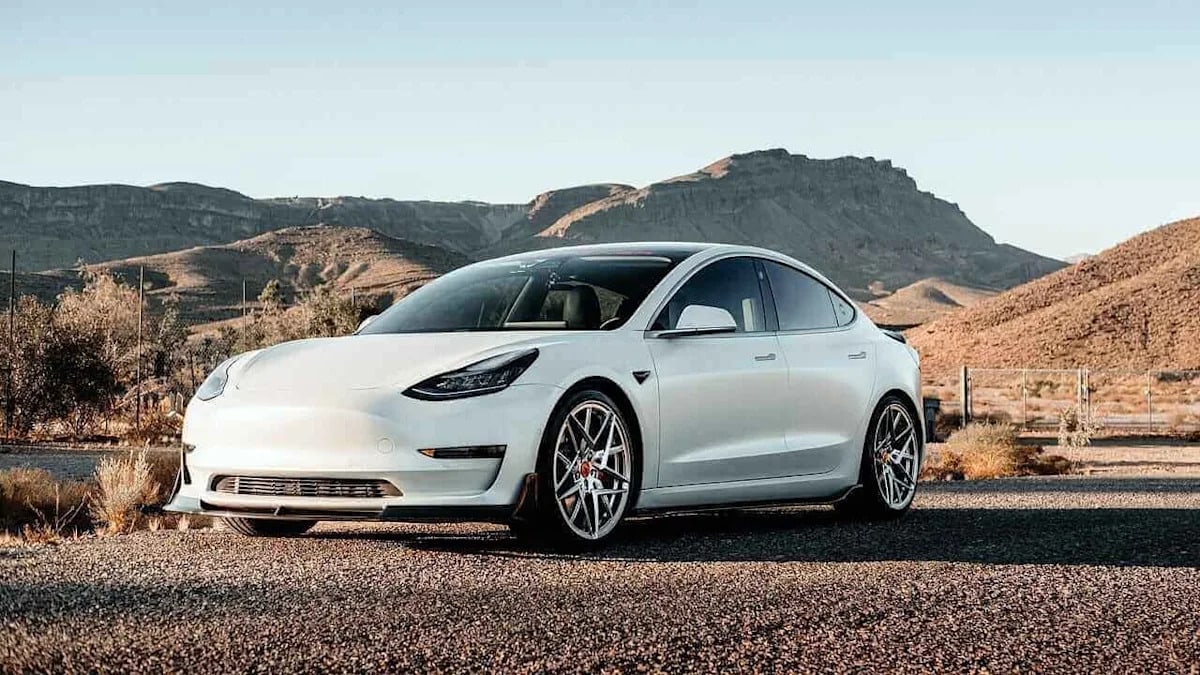
Tesla reported increased Q2 EV sales and plans to boost German production, yet faces investor skepticism due to high valuations and stalled autonomous driving initiatives. Simultaneously, the company maintained its 11,509 BTC Bitcoin treasury despite recording a $112 million impairment loss.
The Dual Narrative of Tesla's Q2 Performance
Tesla (TSLA) finds itself at a complex crossroads, balancing strong operational growth in its core electric vehicle (EV) segment against significant headwinds in its speculative technology bets and digital asset strategy. While the company reported a notable jump in Q2 EV sales—likely bolstered by the economic pressure of rising gasoline prices—the broader financial picture remains clouded by concerns over execution and valuation.
Operational Growth vs. Execution Risks
The company’s decision to increase production at its German manufacturing facilities signals a clear expectation that EV demand will remain robust. However, this growth is being weighed against the underperformance of Tesla’s long-term initiatives. Specifically, the company's self-driving technology and robotaxi projects have failed to meet market expectations, leading to concerns that the massive capital expenditure allocated to these areas may not yield the anticipated returns.
The Valuation Conundrum
Despite these operational hurdles, TSLA stock continues to trade at an extremely high valuation. Analysts are increasingly wary of the disconnect between the company's current execution in autonomous driving and its premium share price. The market appears to be pricing in a level of future innovation that the company has struggled to consistently deliver, creating a significant risk profile for current investors.
Navigating the Digital Asset Landscape
Adding to the complexity is Tesla’s ongoing relationship with Bitcoin. The company has maintained its treasury of 11,509 BTC for nearly four years, signaling a long-term holding strategy despite volatility. In the second quarter, this position resulted in a $112 million after-tax impairment loss as Bitcoin’s value fluctuated between $58,000 and $83,000. This loss highlights the inherent risks of corporate exposure to volatile digital assets.
Historical Context of the Bitcoin Treasury
Tesla’s journey with cryptocurrency began with a massive $1.5 billion investment in 2021. After an initial period of accepting Bitcoin for vehicle purchases—which was later suspended due to environmental concerns—the company liquidated approximately 75% of its holdings in 2022. By choosing to hold the remaining 11,509 BTC steady since that period, Tesla has effectively transitioned from an active participant in crypto-commerce to a passive, long-term holder, weathering market dips that have impacted its quarterly balance sheet.
Future Outlook and Strategic Implications
Looking ahead, Tesla’s success will depend on its ability to bridge the gap between its legacy EV manufacturing success and its future-tech ambitions. If the company cannot demonstrate tangible progress in autonomous driving to justify its current valuation, the stock may face continued downward pressure. Furthermore, as the company navigates both the automotive market and its digital asset exposure, investors will be watching closely to see if the firm pivots its capital allocation strategy to prioritize consistent profitability over high-stakes experimental ventures.