Tesla Robotaxis go to Florida
Source Entity
Andrew J. Hawkins
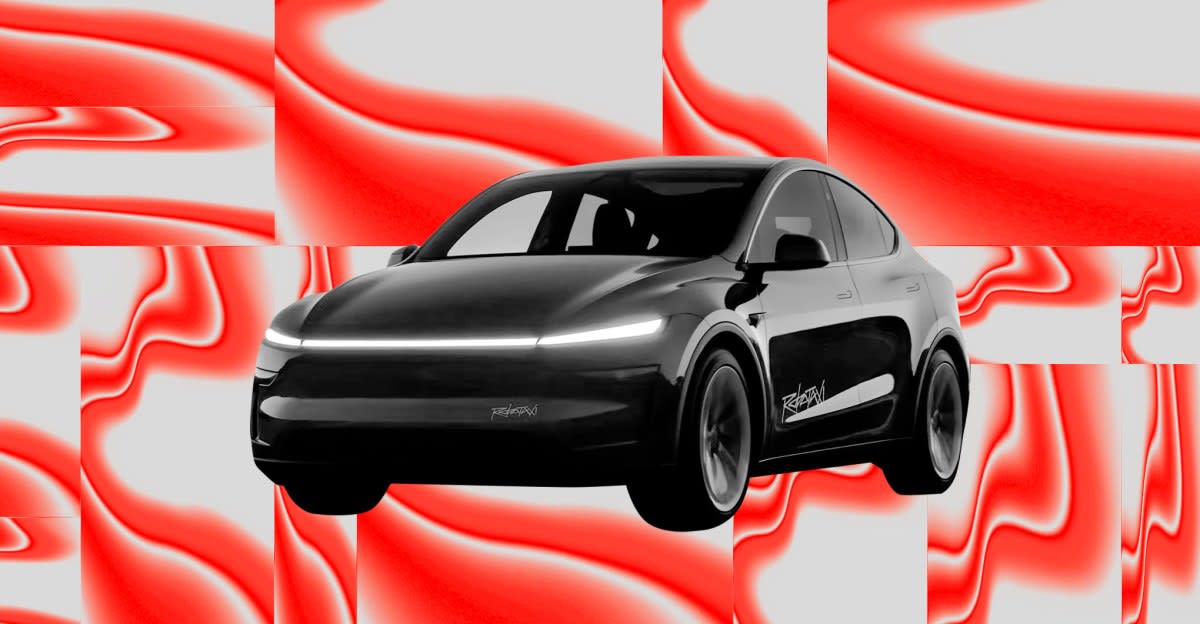
Tesla has expanded its autonomous Robotaxi pilot program to Orlando and Tampa, following a previous launch in Miami. This strategic move coincides with the company's Q2 earnings call, though the scale of these operations remains limited and cautious.
Tesla Expands Autonomous Pilot Programs to Florida
Tesla has officially announced the expansion of its Robotaxi service into Orlando and Tampa, marking a significant, albeit cautious, step in the company's autonomous vehicle strategy. This rollout follows a similar, small-scale launch in Miami, positioning Florida as a primary testing ground for Tesla’s unsupervised Model Y SUV fleet. By integrating these two additional cities, Tesla is attempting to establish a broader footprint for its autonomous technology within the state, even as the specific operational parameters remain restricted to localized service areas.
Strategic Timing and Market Signals
The timing of this announcement is inextricably linked to Tesla’s second-quarter earnings call. Historically, the company has utilized pre-earnings windows to highlight progress in its artificial intelligence and autonomous driving initiatives. By sharing maps of the new service areas via X (formerly Twitter), Tesla aims to reassure investors and stakeholders that development is ongoing. However, the lack of information regarding fleet size or immediate public access suggests that these deployments remain in a nascent, experimental phase rather than a full-scale commercial launch.
A Pattern of Cautious Scaling
This expansion follows a trend of localized testing that has seen Tesla launch and then stall in other major markets. As noted by industry observers, Tesla previously announced autonomous fleets in Dallas and Houston prior to its first-quarter earnings release; however, those operations have yet to see significant scaling. This pattern highlights a disconnect between the ambitious, large-scale promises often made by CEO Elon Musk and the reality of the company’s current, more conservative deployment strategy.
The Technological and Regulatory Landscape
Operating unsupervised autonomous vehicles requires navigating complex regulatory environments and achieving high levels of safety reliability. Tesla’s choice to focus on Florida suggests a favorable regulatory climate for testing, yet the company remains under intense scrutiny regarding the performance of its Full Self-Driving (FSD) software. The move to use Model Y SUVs for these pilots indicates a reliance on existing hardware, allowing the company to test its software stack in real-world urban environments without the immediate need for a specialized, purpose-built vehicle.
Future Implications and Investor Sentiment
Looking ahead, the success of these Florida pilots will be critical for Tesla’s long-term valuation, which is increasingly tied to its potential as an AI and robotics company rather than just an automaker. While the current scale is limited, the persistence in launching in new cities demonstrates a commitment to proving the viability of its autonomous ride-hailing vision. Investors will likely be looking for more than just geographic expansion; they will be seeking concrete data on safety, miles driven without intervention, and a clear roadmap toward a truly scalable commercial service.