Tesla says customers can add their own vehicles to the robotaxi fleet next year — will it happen?
Source Entity
Andrew J. Hawkins
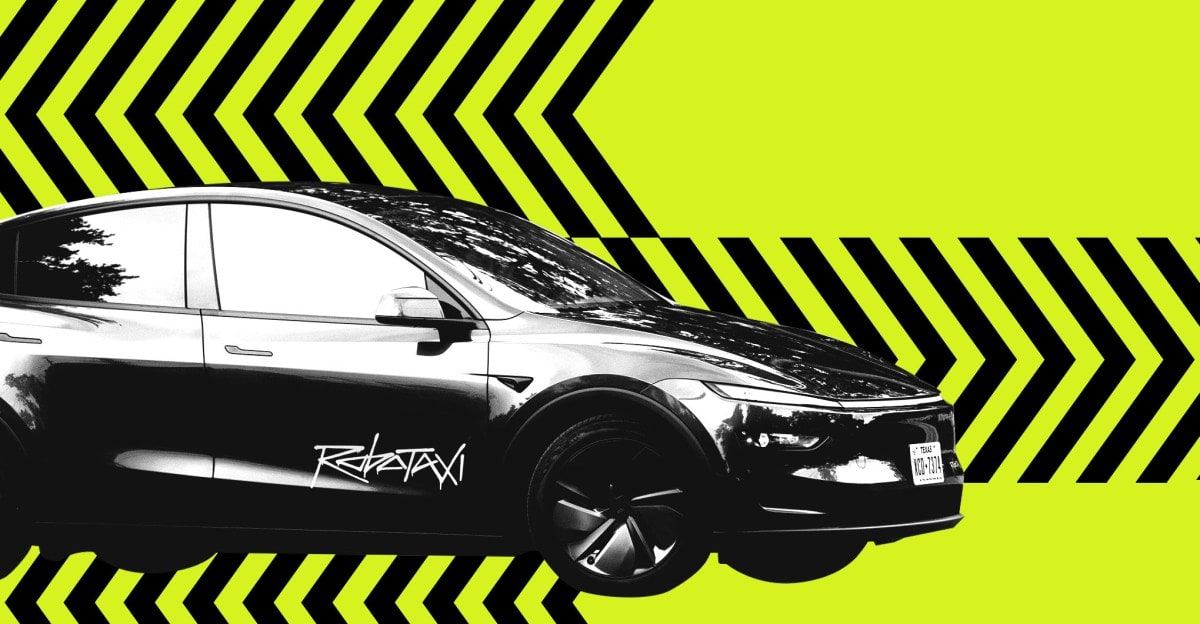
Tesla has officially set a deadline for its robotaxi fleet expansion, announcing that owners will be able to add their vehicles to the network by Q2 2027. This move marks a significant step in Elon Musk's long-term vision for unsupervised autonomous driving.
The Path to Autonomy: Tesla’s Robotaxi Deadline
For years, the concept of a Tesla-operated robotaxi fleet has existed primarily as a visionary goal championed by CEO Elon Musk. While the promise of turning personal vehicles into revenue-generating assets via autonomous software has intrigued investors and owners alike, tangible timelines remained elusive. During the recent third-quarter earnings call, Tesla provided its most concrete update to date, establishing a definitive target for this transition.
Defining the Timeline
According to Ashok Elluswamy, Tesla’s VP for Autonomous Driving, the company has set the second quarter of 2027 as the window for when Tesla owners will be able to integrate their personal vehicles into the company’s robotaxi fleet. This announcement serves as a critical milestone for the automaker, shifting the narrative from conceptual R&D to a scheduled product rollout. By establishing this specific deadline, Tesla is signaling a new level of confidence in the maturity of its autonomous software stack.
The Technological Challenge
The transition to a functional robotaxi fleet is contingent upon the refinement of Tesla’s Full Self-Driving (FSD) capabilities. Achieving the level of reliability required for unsupervised autonomous operation is a significant technical hurdle that involves complex regulatory, safety, and software engineering challenges. The 2027 target suggests that the company believes its data-driven approach to AI training will reach the necessary threshold for safe, driverless operation within the next few years.
Economic and Strategic Implications
If successful, the ability for owners to add their vehicles to a robotaxi fleet could fundamentally alter the economics of car ownership. By allowing vehicles to operate as autonomous taxis when not in use by their owners, Tesla aims to create a shared mobility network that could potentially offset the costs of vehicle ownership. This strategy aligns with Musk’s broader goal of deploying massive numbers of autonomous vehicles to compete with traditional ride-hailing services.
Regulatory and Safety Hurdles
While the technology is the primary focus, the path to 2027 will undoubtedly be shaped by the regulatory environment. Integrating privately owned vehicles into a commercial autonomous fleet requires navigating a patchwork of state and federal safety standards. Tesla will need to demonstrate that its software is not only capable of navigating diverse urban environments but also meets the high safety benchmarks demanded by regulators to prevent accidents and ensure public trust.
Future Trends in Autonomous Mobility
Looking ahead, Tesla’s entry into the robotaxi space could trigger a shift in the automotive industry, forcing competitors to accelerate their own autonomous initiatives. The 2027 deadline provides a clear marker for both consumers and industry analysts to track the company's progress. As Tesla moves closer to this date, the success of the robotaxi initiative will likely serve as a litmus test for the viability of consumer-owned autonomous fleets in the broader global transportation ecosystem.