MiCA cracks down on USDT in Europe... but no one else cares
Source Entity
Cointelegraph by Christina Comben
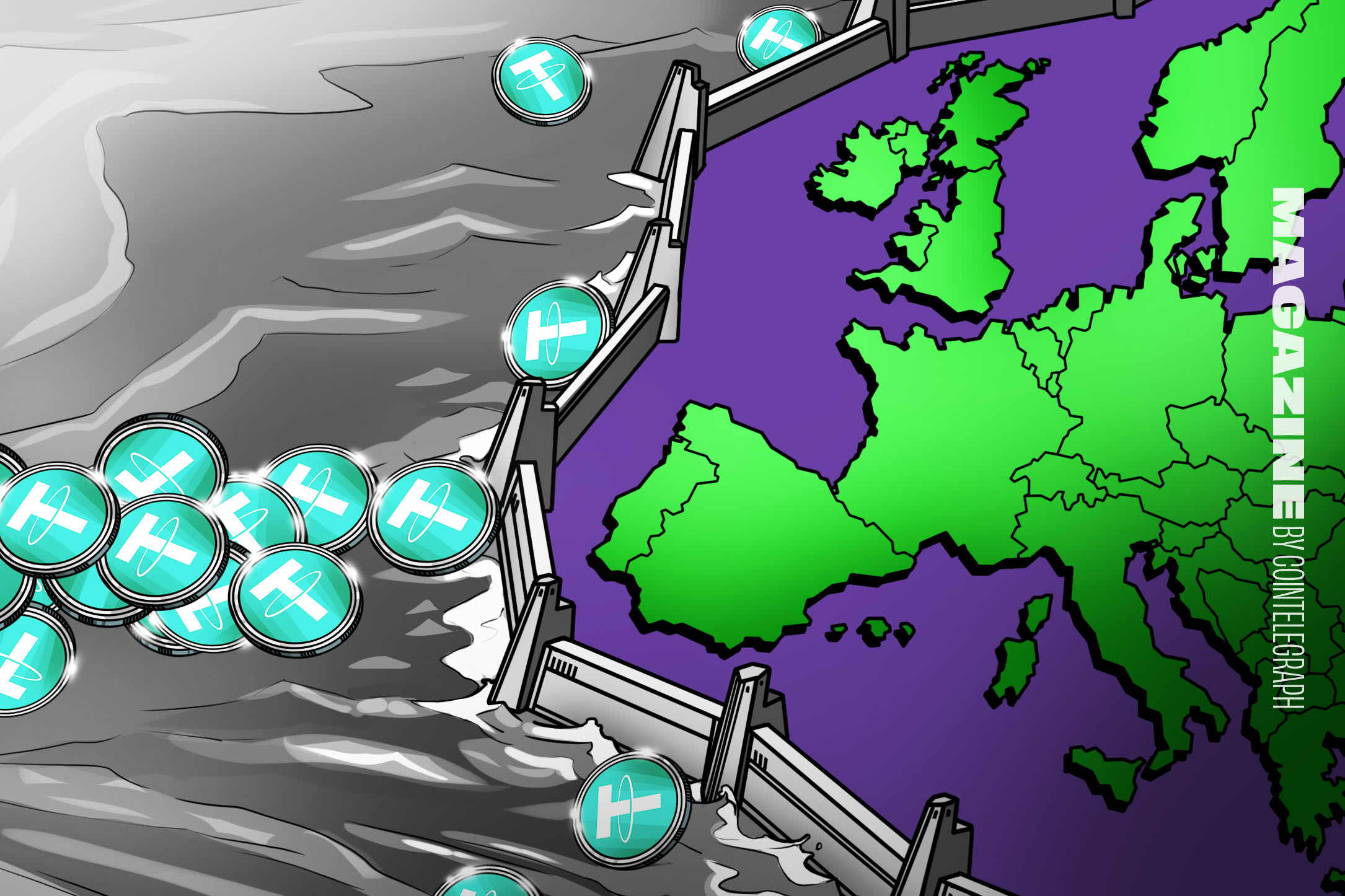
The EU's MiCA regulation is forcing European platforms to delist USDT, yet Tether remains the dominant global stablecoin. While competitors like USDC show significant growth, Tether's market leadership persists despite regional regulatory headwinds.
The European Regulatory Shift
The implementation of the Markets in Crypto-Assets (MiCA) regulation in the European Union represents a landmark moment for digital asset oversight. As of July 1, 2024, the transition period for stablecoin rules concluded, compelling crypto platforms to ensure compliance or face exclusion. A direct consequence of this shift is the systematic delisting of Tether’s USDT from European-regulated platforms, with major entities like Revolut confirming the removal of the asset for its users by August 31.
Tether’s Resilient Global Standing
Despite the clear regulatory pressure within the European market, data from Artemis Analytics indicates that these regional constraints have failed to dent global demand for Tether. The contrast between local exclusion and global adoption highlights the decentralized nature of the crypto economy, where USDT continues to serve as the primary liquidity bridge for traders worldwide. Tether’s ability to maintain its market-leading position suggests that European regulatory hurdles are currently insufficient to disrupt its deep-seated utility in the broader digital asset ecosystem.
The Competitive Landscape
While Tether maintains its dominance, the competitive landscape is undeniably shifting. Data provided by NOWPayments reveals that Circle Internet Group’s USDC is gaining significant momentum, having recorded a 209% year-over-year increase in transaction counts and a 101% rise in transaction volume during the first half of the year. This growth indicates that while USDT remains the market leader in business transaction volumes, institutional and commercial users are increasingly diversifying their stablecoin holdings.
The Mechanics of Stablecoin Utility
Stablecoins, which are pegged to fiat currencies like the U.S. dollar, function as a crucial pillar for crypto-to-fiat commerce. Their value proposition lies in providing a low-volatility asset that allows businesses to facilitate transactions without the wild price fluctuations inherent in assets like Bitcoin or Ethereum. As regulatory bodies like the EU seek to standardize these instruments, the market is witnessing a bifurcation: a highly compliant, regulated tier led by assets like USDC, and a broader, more resilient tier where USDT continues to thrive based on high liquidity and widespread adoption.
Future Trends and Market Implications
Looking ahead, the divergence between European regulatory environments and global demand is likely to persist. As MiCA sets a precedent for other jurisdictions, Tether may face further challenges in G7 economies. However, unless a viable, equally liquid, and universally accepted alternative emerges to replace USDT’s role in emerging markets and offshore trading, its dominance is unlikely to be dismantled solely by regulatory exclusion in one region. The future of stablecoins will likely be defined by a balance between the quest for regulatory legitimacy and the market's demand for uninhibited, high-volume liquidity.