Chef anwers: What makes balushahi so crispy on the outside and flaky inside
Source Entity
The Indian Express
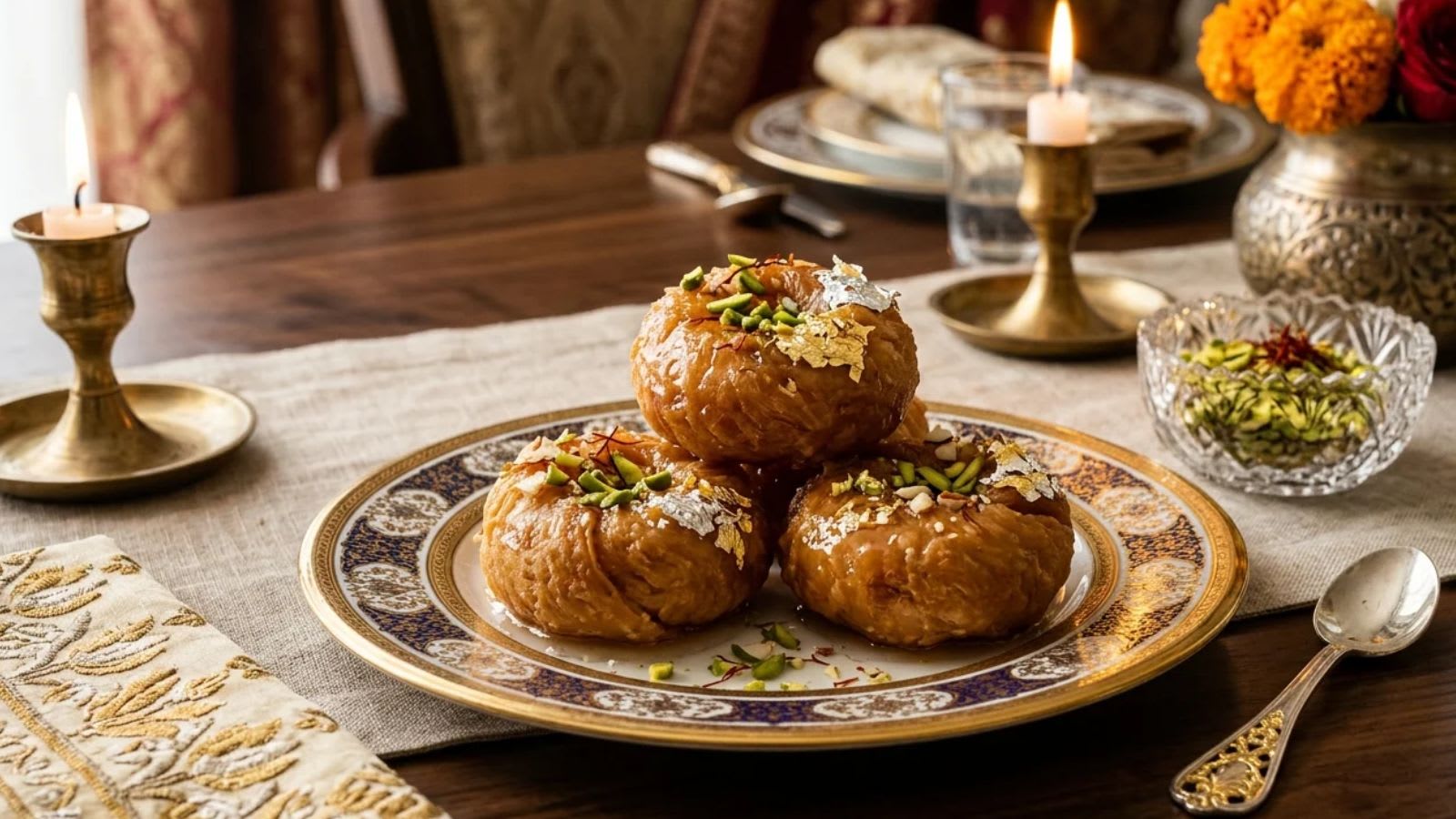
Balushahi is a traditional North Indian sweet celebrated for its signature crispy exterior and flaky, layered interior. Its history remains largely undocumented, though experts suggest it evolved from ancient royal culinary traditions using flour, ghee, and sugar syrup.
The Culinary Artistry of Balushahi: A North Indian Icon
Balushahi stands as one of the most recognizable and cherished confections in North Indian culinary tradition. Characterized by its brilliant golden-brown hue, a satisfyingly crisp exterior, and a delicate, flaky interior that dissolves upon the palate, it occupies a prestigious place in the landscape of Indian mithai. Beyond its taste, the sweet is a cultural staple, frequently gracing the tables of weddings, religious festivals, and significant family milestones, serving as a symbol of celebration and hospitality.
Historical Ambiguity and Royal Origins
Despite its ubiquity in modern Indian cuisine, the precise historical origins of the Balushahi remain a subject of scholarly debate. Executive Chef Umesh Singh of Novotel New Delhi City Centre highlights that there is no singular, definitive record pinpointing its creation. Instead, culinary historians and chefs posit that it likely emerged from the sophisticated kitchens of Indian royalty. It is hypothesized that the dish evolved from earlier, simpler fried preparations that utilized the foundational triad of Indian pastry: flour, ghee, and sugar syrup.
The Science of Texture: Crispness Meets Flakiness
What distinguishes a masterfully prepared Balushahi is the contrast between its textures. Achieving a perfectly crispy outer shell while maintaining a soft, layered interior requires a precise application of technique. The dough, enriched with ghee, must be handled with care to ensure the development of distinct layers—often referred to as 'lacha'—which expand during the frying process. This layering is the hallmark of the sweet, allowing it to absorb just the right amount of sugar syrup without becoming overly soggy or losing its structural integrity.
The Cultural Significance of Mithai
In the broader context of Indian gastronomy, Balushahi acts as a bridge between ancient culinary practices and contemporary festivities. The use of ghee as a primary fat source not only provides the richness associated with the sweet but also connects it to traditional Ayurvedic culinary principles, where ghee is considered a vital component for health and flavor. Over generations, the refinement of this recipe has cemented its status as a must-have item for large-scale social gatherings, where its shelf stability and universal appeal make it an ideal choice for mass catering.
Future Trends in Traditional Confectionery
As the Indian food industry continues to modernize, there is a growing trend toward standardizing traditional recipes like Balushahi. Chefs are increasingly focusing on the 'science' behind the layering process, ensuring that the consistency of the sweet remains high even as it is produced for wider markets. Whether served in traditional clay pots or modern packaging, the enduring popularity of this sweet proves that its unique texture and flavor profile remain timeless, ensuring its place in the future of Indian food culture.