It’s time for the Mac Neo
Source Entity
Antonio G. Di Benedetto
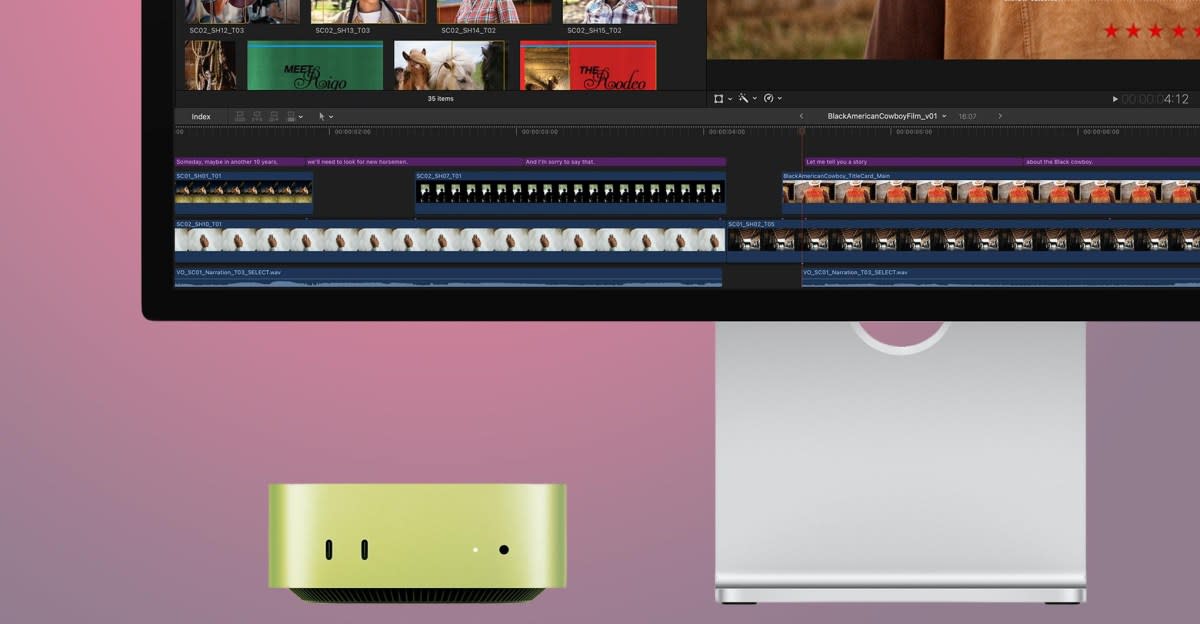
The price increase of the new M6 Mac Mini has sparked debate over the need for a more affordable, entry-level desktop option from Apple. Critics suggest a 'Mac Neo' could fill the gap left by the rising costs of the traditional Mac Mini.
The Evolving Landscape of Apple's Desktop Strategy
For years, the Mac Mini occupied a unique and highly coveted position in the personal computing market: it was the quintessential 'bring your own display' desktop that offered a premium macOS experience at a remarkably accessible price point. At the $599 threshold, it served as the gateway for students, casual users, and developers alike. However, the release of the new M6 model, with its starting price of $899, signals a strategic shift that leaves a significant void for consumers who do not require the high-end processing power of a 12-core CPU and 12-core GPU.
The Performance-to-Price Dilemma
The current M6 Mac Mini is objectively a technical marvel, offering performance capabilities that exceed the needs of the average user. By packing such advanced architecture into the base model, Apple has inadvertently pushed the entry-level price point beyond the reach of those seeking a simple, reliable desktop for web browsing, document creation, and basic media consumption. This hardware 'overkill' creates a scenario where users are forced to pay for professional-grade silicon that they may never fully utilize, highlighting a disconnect between current product offerings and the entry-level segment.
The Case for a 'Mac Neo'
Industry observers have begun to advocate for a 'Mac Neo'—a hypothetical entry-level desktop that would prioritize affordability without compromising the core macOS experience. The precedent for such a product already exists within Apple’s own ecosystem; the MacBook Neo successfully demonstrated that Apple could deliver a high-quality computing experience by leveraging efficient, smartphone-derived chip architecture. By applying this philosophy to a desktop form factor, Apple could potentially reintroduce a $699 price point.
Architectural Possibilities
Designing a 'Mac Neo' would require a departure from the current high-performance trajectory. By utilizing a smartphone-class chip, a simplified power supply, and essential I/O, Apple could create a machine that is perfectly tuned for the light-duty user. This approach would not only provide a more cost-effective alternative to the M6 lineup but would also mirror the modular design principles that made the original Mac Mini so successful in the first place.
Market Implications and Future Trends
As Apple continues to iterate on its proprietary silicon, the gap between entry-level and professional hardware will likely continue to widen. If the company ignores the lower end of the market, it risks alienating a demographic that values the macOS ecosystem but is priced out of the hardware. The introduction of a more affordable desktop would serve as a vital entry point, ensuring that the next generation of users remains tethered to the Apple ecosystem while providing a clear alternative to the increasingly expensive 'Pro' level hardware.
Conclusion
The transition of the Mac Mini from a budget-friendly desktop to a higher-end performance machine creates a clear market opportunity for a more accessible product. Whether Apple decides to pursue a 'Mac Neo' strategy remains to be seen, but the current pricing trends suggest that a recalibration of their desktop lineup could be necessary to maintain their reach among cost-conscious consumers.