The Pitt and ER are similar enough for lawsuit to proceed, judge rules
Source Entity
BBC News
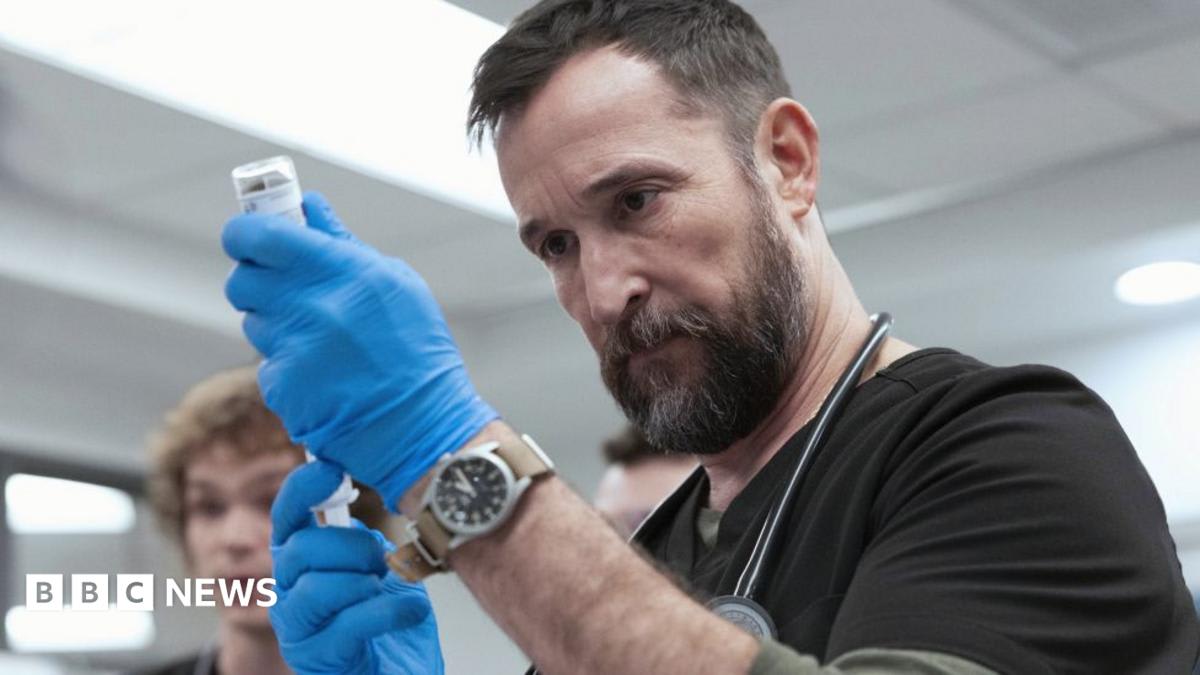
A US court has ruled that a lawsuit alleging the show 'The Pitt' is an unauthorized reboot of 'ER' can proceed. The widow of 'ER' creator Michael Crichton claims the new series violates contract provisions regarding rights and intellectual property.
Legal Battle Over TV Legacy: The Pitt vs. ER
A significant legal development has emerged in the television industry as a US court ruled that a lawsuit against the producers of the new medical drama The Pitt may proceed. The core of the litigation centers on claims brought by Sherri Crichton, the widow of ER creator Michael Crichton, who argues that the new production functions as an unauthorized reboot of the iconic 1990s series. This ruling by a three-judge panel marks a pivotal moment in how intellectual property rights are contested within the modern media landscape.
The 'Frozen Rights' Provision
At the heart of the dispute is a specific contractual clause known as a "frozen rights" provision. Sherri Crichton contends that this legal safeguard, established by her late husband, explicitly prohibits the creation of any spin-offs, sequels, or reboots of ER without express consent. This provision is intended to protect the creative integrity and legacy of a show that defined a generation of medical dramas. By allegedly circumventing this clause, the producers of The Pitt face serious accusations of failing to respect the original creator's long-standing contractual limitations.
Judicial Recognition of Similarities
In their decision to allow the case to move forward, the three-judge panel explicitly noted that there are "clear and numerous similarities" between the two shows. The court highlighted shared elements such as the high-intensity emergency room setting and the fast-paced nature of the storytelling. These similarities form the basis of the plaintiff's argument that The Pitt is not a distinct original work, but rather a derivative project that relies on the established identity of ER without proper attribution or legal clearance.
The Industry Response
Warner Bros., the entity behind the production, has maintained a firm stance, previously labeling the lawsuit as "baseless" and attempting to have the matter dismissed. Their defense suggests a disagreement over the definition of creative inspiration versus copyright infringement. This conflict illustrates the tension between studios seeking to capitalize on proven genres and the estates of creators who seek to guard their intellectual property from being repurposed without compensation or approval.
Broader Implications for Television
This case sets a potential precedent for how "reboot culture" is handled in the streaming and television era. As networks and production houses look to mine successful franchises for new content, this ruling serves as a warning that creators' estates possess significant legal tools to challenge projects that mirror their predecessors too closely. The outcome of this trial will likely influence how future contracts are drafted, particularly regarding the scope of "frozen rights" and the protection of original creative visions.
Conclusion
As the litigation progresses, the industry will be watching closely to see how the court balances the necessity of creative freedom with the strict enforcement of contractual rights. Whether The Pitt can successfully defend its independence or whether it will be forced to address the legacy of ER remains to be seen. This case underscores the enduring power of Michael Crichton's work and the legal complexities inherent in protecting television history from unauthorized modern reimagining.