Thea Energy lands $20M federal grant to build its magnets for fusion reactors
Source Entity
Tim De Chant
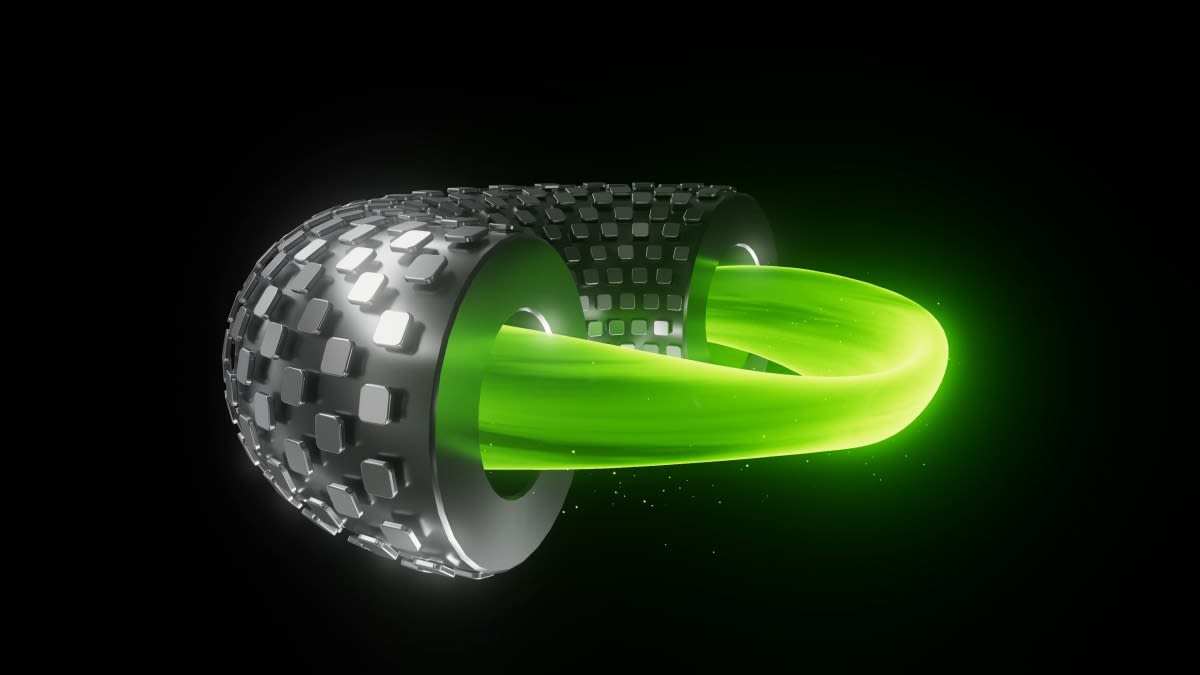
Fusion startup Thea Energy has secured a $20 million ARPA-E grant to scale production of its modular high-temperature superconducting magnets. This funding aims to accelerate the development of their stellarator-based reactor design for commercial fusion power.
Breakthrough Funding for Fusion Energy
The fusion energy sector has received a significant boost as Thea Energy, a startup focused on commercializing fusion power, announced it has secured a $20 million grant from the Advanced Research Projects Agency-Energy (ARPA-E). This substantial infusion of federal capital is specifically earmarked for the scaling and manufacturing of high-temperature superconducting (HTS) magnets, which serve as the cornerstone of the company’s magnetic confinement technology.
The Critical Role of HTS Magnets
Manufacturing remains one of the most formidable barriers for hard-tech startups, where the capital expenditure required to transition from prototype to industrial scale is immense. By providing this grant, the Department of Energy is directly addressing the supply chain and production challenges inherent in creating these advanced components. HTS magnets are essential in magnetic confinement reactors, where they generate the intense magnetic fields required to contain and compress plasma until fusion occurs. Without these high-performance magnets, the stability needed to sustain the fusion process for commercial energy production remains unattainable.
Stellarator Innovation
Unlike more common tokamak designs, Thea Energy is advancing a reactor architecture known as a stellarator. These devices are characterized by their complex, twisted inner-tube-like structures, which allow for the continuous confinement of plasma without the need for the massive electrical current pulses required by other designs. The complexity of the stellarator geometry, however, makes the precision manufacturing of superconducting magnets particularly challenging, which is why the ARPA-E funding is so strategically vital for their operational roadmap.
Bridging the Gap to Commercialization
This grant represents a critical milestone in the transition from theoretical fusion research to practical, grid-scale energy solutions. By focusing on the modularity of their magnet systems, Thea Energy is attempting to optimize the construction process, potentially lowering the long-term cost of reactor assembly. This modular approach is widely viewed by industry experts as a necessary step to make fusion power economically competitive with existing fossil fuel and renewable energy sources.
Future Implications for the Fusion Industry
As private fusion firms continue to compete for technological dominance, the role of government-backed research and development grants remains a primary catalyst for innovation. The success of Thea Energy in securing this funding suggests a growing confidence from federal regulators in the feasibility of stellarator designs. If the company succeeds in scaling its magnet production, it could set a new benchmark for the sector, potentially accelerating the timeline for the first generation of commercial fusion power plants.