Lenovo Group Limited (LNVGY) and Intel Corporation (INTC) are Both Riding the AI Hardware Boom. One Just Posted a Loss Anyway
Source Entity
Yahoo Finance
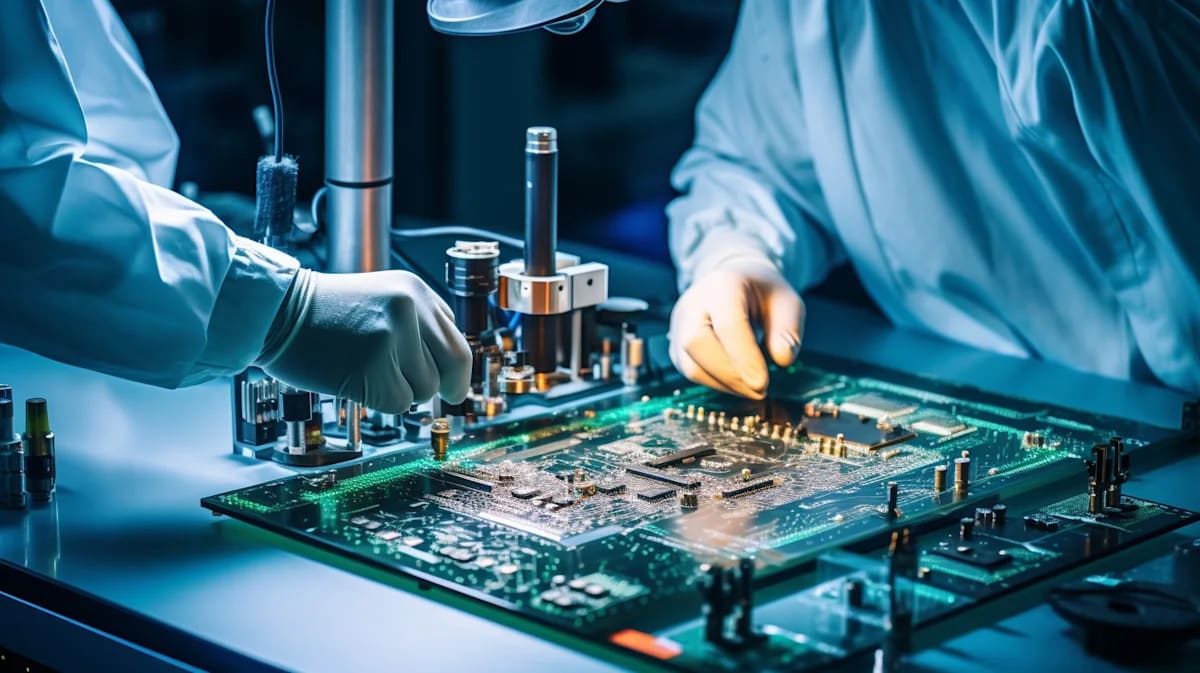
Tiger Global has increased its Intel stake to 4.25 million shares amid a broader AI hardware push. While Lenovo sees revenue growth from AI servers, Intel is aggressively raising capital to fund its manufacturing foundry expansion.
Strategic Capital Shifts: Tiger Global’s Bet on Intel
Tiger Global Management’s decision to increase its stake in Intel Corporation (INTC) by 2.6 million shares during the second quarter marks a significant vote of confidence in the chipmaker's long-term restructuring. With a total holding of approximately 4.25 million shares—valued at roughly $593 million as of June 30—the firm is positioning itself to benefit from Intel’s pivot toward AI compute demand and foundry services. This move comes at a critical juncture where Intel is attempting to modernize its manufacturing execution to remain competitive in a landscape dominated by high-performance silicon requirements.
The AI Hardware Supercycle
Intel is not acting in a vacuum; it is part of a massive, industry-wide AI hardware supercycle that is simultaneously affecting downstream manufacturers like Lenovo Group Limited. While Lenovo reported a 43% year-over-year revenue jump to $26.94 billion driven by AI server and PC demand, the industry remains volatile. The fact that Lenovo reached significant revenue milestones while simultaneously swinging to a net loss underscores the immense capital expenditure required to scale AI infrastructure. Intel’s own strategy mirrors this intensity, as evidenced by its recent $20 billion upsized stock offering intended to fund its foundry buildout.
Contrasting Capital Strategies
The divergence in how these two tech giants handle the current boom is noteworthy. Lenovo is leveraging its operational growth to capture market share in the hardware segment, aiming to hit a $100 billion annual revenue target ahead of schedule. Conversely, Intel is choosing to tap the equity markets directly to finance its manufacturing evolution. By raising $20 billion, Intel is signaling that the path to reclaiming its dominance in semiconductor manufacturing requires massive, front-loaded investment, a strategy that clearly caught the attention of institutional investors like Tiger Global.
The Foundry Business and Manufacturing Execution
Intel’s primary challenge remains the successful execution of its foundry business, which allows the company to manufacture chips for others while simultaneously producing its own AI-focused designs. This transformation is capital-intensive and requires flawless operational execution to convince both investors and potential foundry clients of its long-term viability. Tiger Global’s decision to increase its position suggests that the market may be beginning to value the potential long-term yield of Intel’s manufacturing infrastructure over its immediate quarterly performance hurdles.
Broader Market Implications
As the AI sector continues to mature, the distinction between those who sell finished AI hardware (like Lenovo) and those who build the underlying silicon foundations (like Intel) will become more pronounced. The sustainability of these business models is currently being stress-tested by the sheer cost of scaling AI capabilities. If Intel can successfully integrate its foundry ambitions with the soaring demand for AI compute, it could fundamentally re-rate its position in the semiconductor value chain. Investors are watching closely to see if this infusion of capital translates into the manufacturing efficiency required to sustain the next generation of AI development.