Move over, credit cards: Social-media stars are tapping magic wands to buy things
Source Entity
Julian Torres
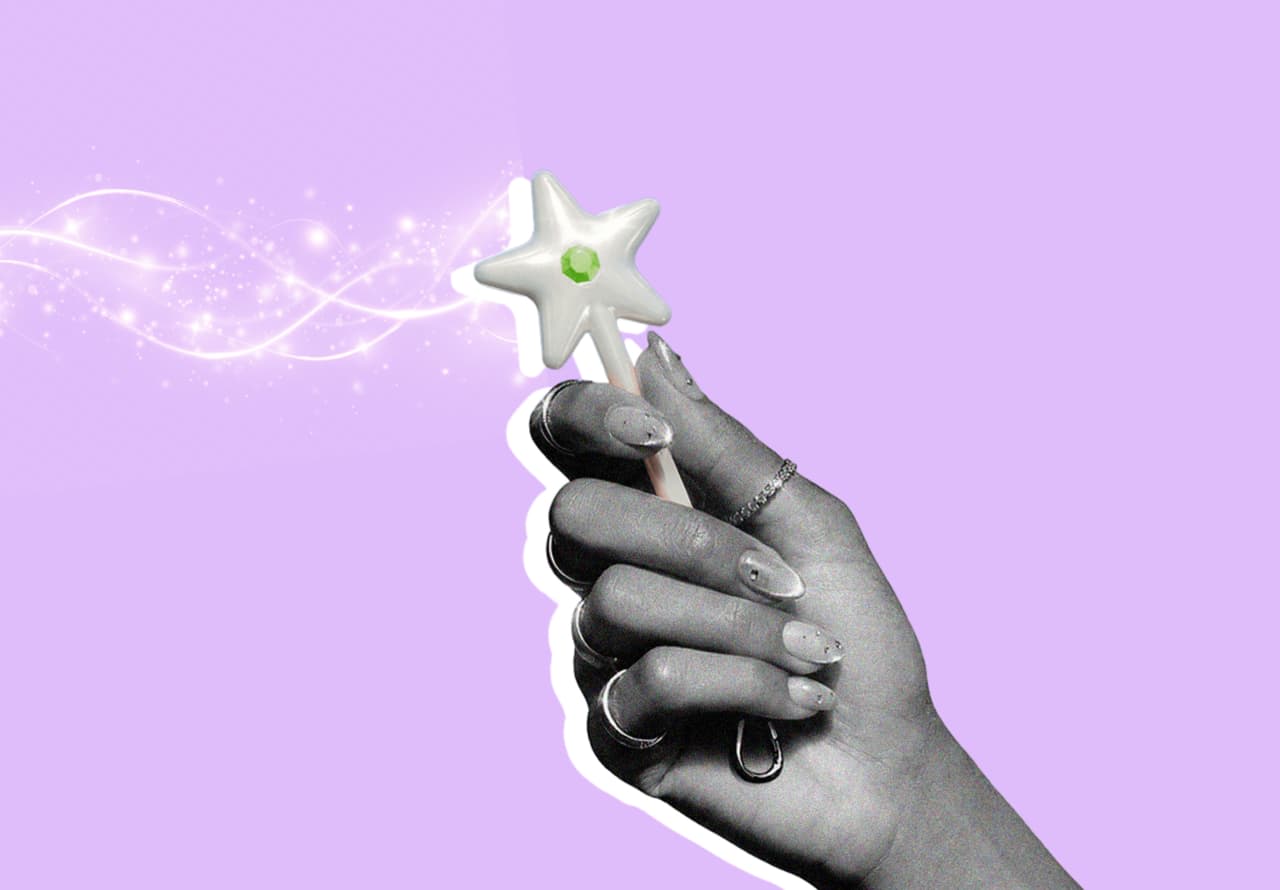
Social media influencers are transforming mundane tap-to-pay transactions into viral fashion statements using personalized accessories. This trend highlights the intersection of fintech convenience and personal branding, signaling a shift in consumer behavior.
The Rise of Aesthetic Fintech: Beyond the Plastic Card
The landscape of digital payments is undergoing a radical shift, moving away from the utilitarian credit card toward highly personalized, aesthetic-driven hardware. As social media platforms like TikTok normalize the integration of lifestyle content with consumer habits, the act of 'tapping' to pay is being reimagined as a performance of personal style. Users are increasingly adopting custom-designed wearables—often referred to as 'magic wands' or bespoke NFC-enabled accessories—to complete transactions, effectively turning a mundane checkout process into a curated social media moment.
The Intersection of Identity and Consumption
At the core of this trend is the desire to blend functional financial technology with individual identity. For generations, the credit card was a static, bank-issued tool. Today, the influence of digital creators has shifted the focus toward customization. By utilizing NFC (Near Field Communication) technology integrated into unique wearable items, shoppers are signaling their personal brand through their payment methods. This evolution suggests that consumers are no longer satisfied with the standard banking experience, preferring instead to integrate their financial tools into their daily fashion ensembles.
The TikTok Effect on Consumer Behavior
TikTok has played a pivotal role in popularizing this trend by providing a visual medium where 'checkout culture' can be showcased. Short-form videos demonstrating these unique payment methods serve as both advertisements and social validation, encouraging viewers to view their own payment habits through the lens of aesthetic consistency. This creates a feedback loop where the payment accessory itself becomes a status symbol, driving further interest in niche fintech products that prioritize design alongside speed.
Implications for the Banking Industry
This trend poses significant implications for traditional financial institutions. As consumers move toward third-party or customized wearables, the 'top-of-wallet' status traditionally held by major credit card issuers is being challenged. Banks may soon face a competitive environment where the physical card is secondary to the wearable device, necessitating a shift in how financial products are marketed and delivered. The focus is moving toward the 'checkout experience'—the physical gesture of payment—rather than just the underlying credit facility.
Future Trends in Wearable Payments
Looking ahead, we can expect to see further innovations in the space of personalized fintech. As NFC technology becomes more miniaturized and accessible, the integration of payment capabilities into jewelry, clothing, and other everyday accessories will likely accelerate. We are entering an era where 'frictionless' is no longer the only goal; 'expressive' is becoming equally vital. Future payment hardware will likely focus on deep customization, allowing users to swap aesthetics as easily as they change their outfits, all while maintaining the security of encrypted digital transactions.
Conclusion: The New Standard of Convenience
The movement toward personalized, 'magic wand' style payment accessories signifies that the future of finance is increasingly lifestyle-centric. By transforming the final step of the shopping journey into an opportunity for creative expression, social media stars are setting a new standard for consumer expectations. While the technology remains rooted in established NFC protocols, its application is fundamentally changing the social experience of spending money, proving that even the most technical processes can be rebranded as essential fashion accessories.
Verification Required?