Rocky Horror star Tim Curry's cause of death revealed
Source Entity
BBC News
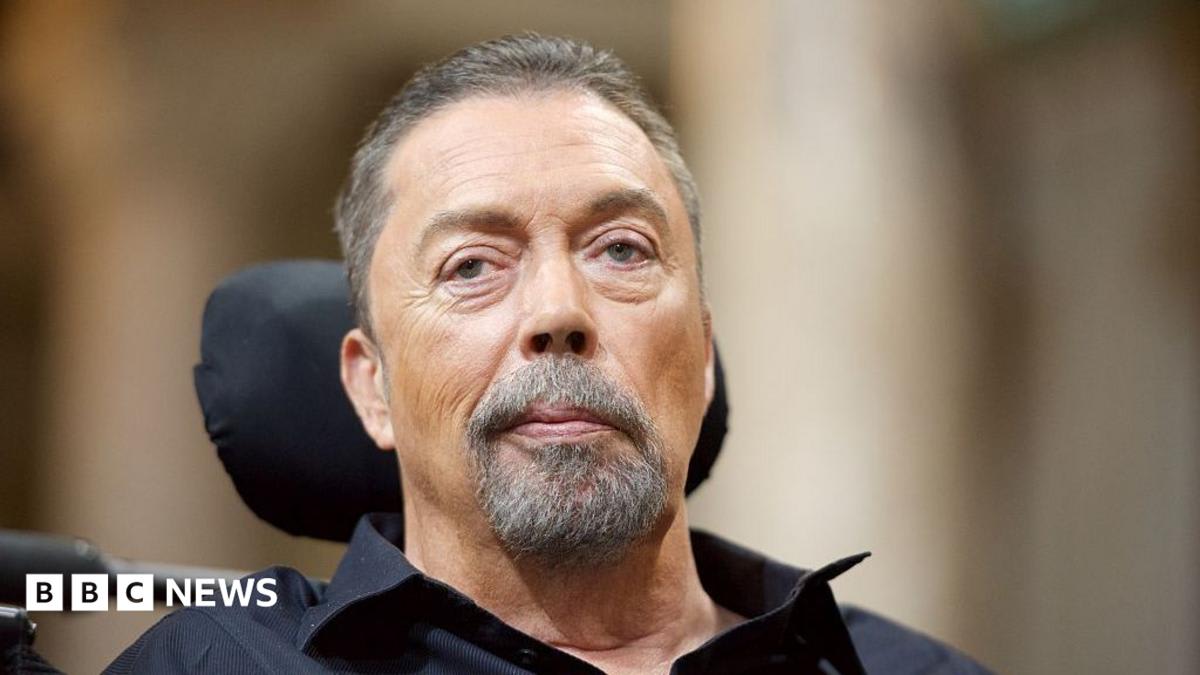
Renowned actor Tim Curry, best known for his iconic role in The Rocky Horror Picture Show, has passed away at 80. His death was caused by coronary artery disease, compounded by a history of stroke and kidney cancer.
The Legacy of Tim Curry: An Icon Remembered
The entertainment world is mourning the loss of Tim Curry, the legendary British actor whose career spanned decades of stage, screen, and voice work. His death at age 80 in his Los Angeles home marks the end of an era for fans of cult cinema. While he was a versatile performer, his legacy remains inextricably linked to his transformative performance as Dr. Frank-N-Furter in the 1975 film The Rocky Horror Picture Show.
Medical Context and Cause of Death
According to official documentation filed in Los Angeles County and confirmed by his spokesperson, Curry’s death was primarily attributed to coronary artery disease. This condition, which involves the narrowing or blockage of the coronary arteries, is a leading cause of mortality globally. The complexity of his health profile was further underscored by his documented history of stroke and kidney cancer, both of which were identified as significant contributing factors to his passing.
Overcoming Adversity: The 2012 Stroke
Tim Curry’s resilience in the face of severe health challenges is a defining aspect of his later life. Following a near-fatal stroke in 2012, which left him reliant on a wheelchair, Curry displayed remarkable fortitude. Rather than retreating entirely from the public eye, he pivoted his professional focus toward voice acting. In interviews, he expressed profound gratitude that the stroke had not impaired his ability to speak, allowing him to continue his craft despite his physical limitations.
Cultural Impact and Professional Versatility
Beyond his signature role in Rocky Horror, Curry established himself as a master of character acting. His ability to inhabit eccentric and complex personas made him a staple in both live-action and voice-over roles. The outpouring of tributes from peers across the industry reflects the deep respect he commanded as a colleague and an artist who refused to let his health struggles define his creative output.
Broader Implications of Long-term Health Management
Curry’s journey highlights the reality of living with multiple chronic conditions. The combination of cardiovascular disease, cancer history, and the aftermath of a stroke represents a significant medical burden, one that many aging performers face. His ability to maintain his career for over a decade post-stroke serves as a testament to both modern medical support and his own internal drive to remain connected to his art form.
Conclusion
Tim Curry leaves behind a body of work that influenced generations of performers and fans alike. By transitioning from the physical demands of screen acting to the specialized medium of voice work, he ensured his voice—his most powerful instrument—remained a constant presence in popular culture. His passing is not only a loss for the film community but a reminder of the fragility of health and the endurance of artistic passion.