Welcome showers greet devotees ahead of Garuda Seva in Tirupati on Sept. 19
Source Entity
India Latest News: Top National Headlines Today & Breaking News | The Hindu
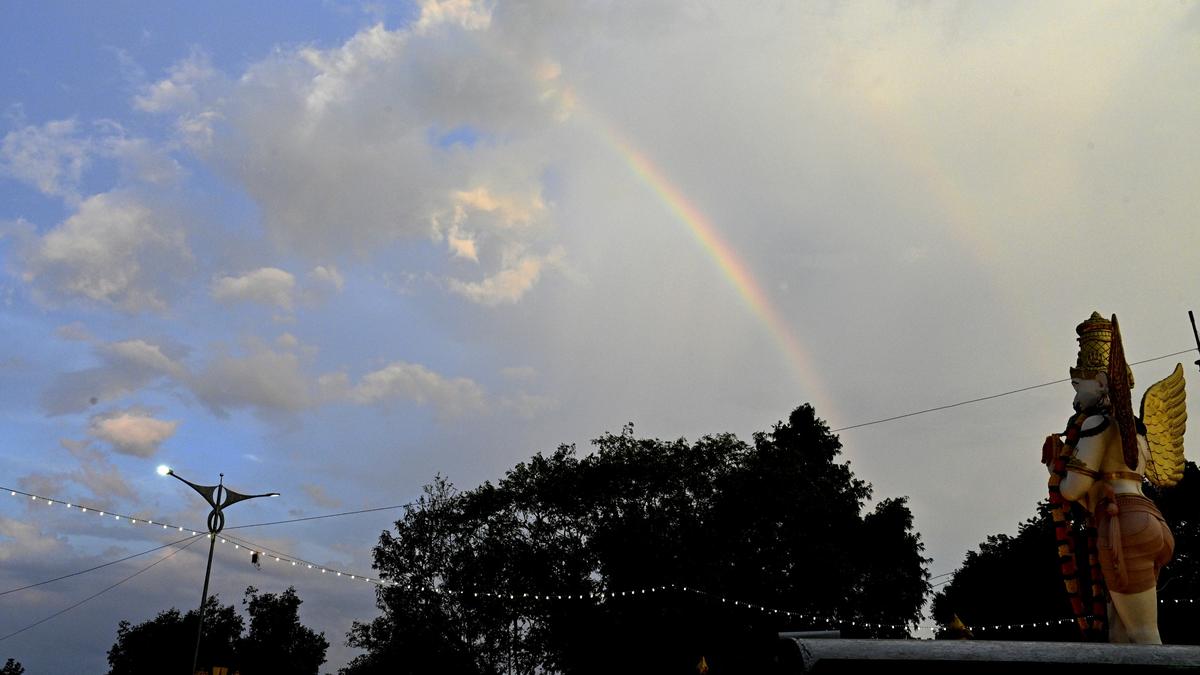
Tirupati experienced a cooling rainfall ahead of the highly anticipated Garuda Seva during the annual Salakatla Brahmotsavams. Despite heavy downpours in the city, the Tirumala hill town remained dry, ensuring the procession proceeded without disruption.
Weather Shifts and Religious Fervor in Tirupati
The annual Salakatla Brahmotsavams in Tirumala represent one of the most significant religious events in the Hindu calendar, drawing massive crowds to the hill town of Tirupati. As thousands of devotees gathered in anticipation of the ‘Garuda Seva’ scheduled for September 19, 2026, the region experienced a dramatic shift in meteorological conditions. A day that began with intense heat and bright sunshine transitioned into a heavy, cooling downpour by the evening, brought on by a sudden blanket of thick clouds.
Impact on the Pilgrim Experience
For the thousands of pilgrims arriving at the Tirupati railway station and the APSRTC central bus station, the sudden rainfall provided a welcome relief from the sweltering heat. While the experience of being drenched was an immediate challenge for those preparing to trek up the hills, it was widely viewed as a refreshing precursor to the spiritual events ahead. This influx of pilgrims highlights the logistical complexity of managing massive crowds in the city during peak festival days.
Meteorological Disparities Between City and Hill
A critical aspect of this weather event was the localized nature of the precipitation. While the city of Tirupati faced an incessant downpour, the Tirumala hill town—the actual site of the temple and the Garuda Seva—remained untouched by the rain. This geographic distinction is vital, as it ensured that the preparations for the celestial procession were not hindered by inclement weather, allowing the event to proceed according to schedule.
The Significance of Garuda Seva
Garuda Seva is the centerpiece of the Brahmotsavams, where the presiding deity is taken out in a grand procession on the Garuda Vahanam. The event is a massive logistical operation, requiring clear weather and orderly crowd management. The fact that the hill town remained dry while the city cooled down was ideal for temple authorities, as it mitigated the risk of slippery pathways or damage to the ornate decorations used during the procession.
Future Trends and Crowd Management
As Tirupati continues to see an increase in pilgrim footfall year over year, the ability of local authorities to manage weather-related disruptions becomes increasingly important. The events of September 19, 2026, demonstrate the resilience of the pilgrimage infrastructure. Moving forward, authorities will likely continue to rely on these localized weather patterns to maintain the sanctity and safety of the Brahmotsavams, ensuring that the celestial spectacle remains uninterrupted for the devotees who travel from across the country to participate.
Concluding Summary
Ultimately, the weather in Tirupati served as a brief, cooling respite for the thousands of devotees awaiting the Garuda Seva. By remaining localized to the city floor and sparing the hill town, the rain acted as a benefit to the pilgrims' comfort without compromising the logistical integrity of the temple's most important annual procession.
Verification Required?