Trinamool Symbol War Moves To Supreme Court As Mamata Banerjee Challenges Poll Body Freeze
Source Entity
NDTV News Search Records Found 1000
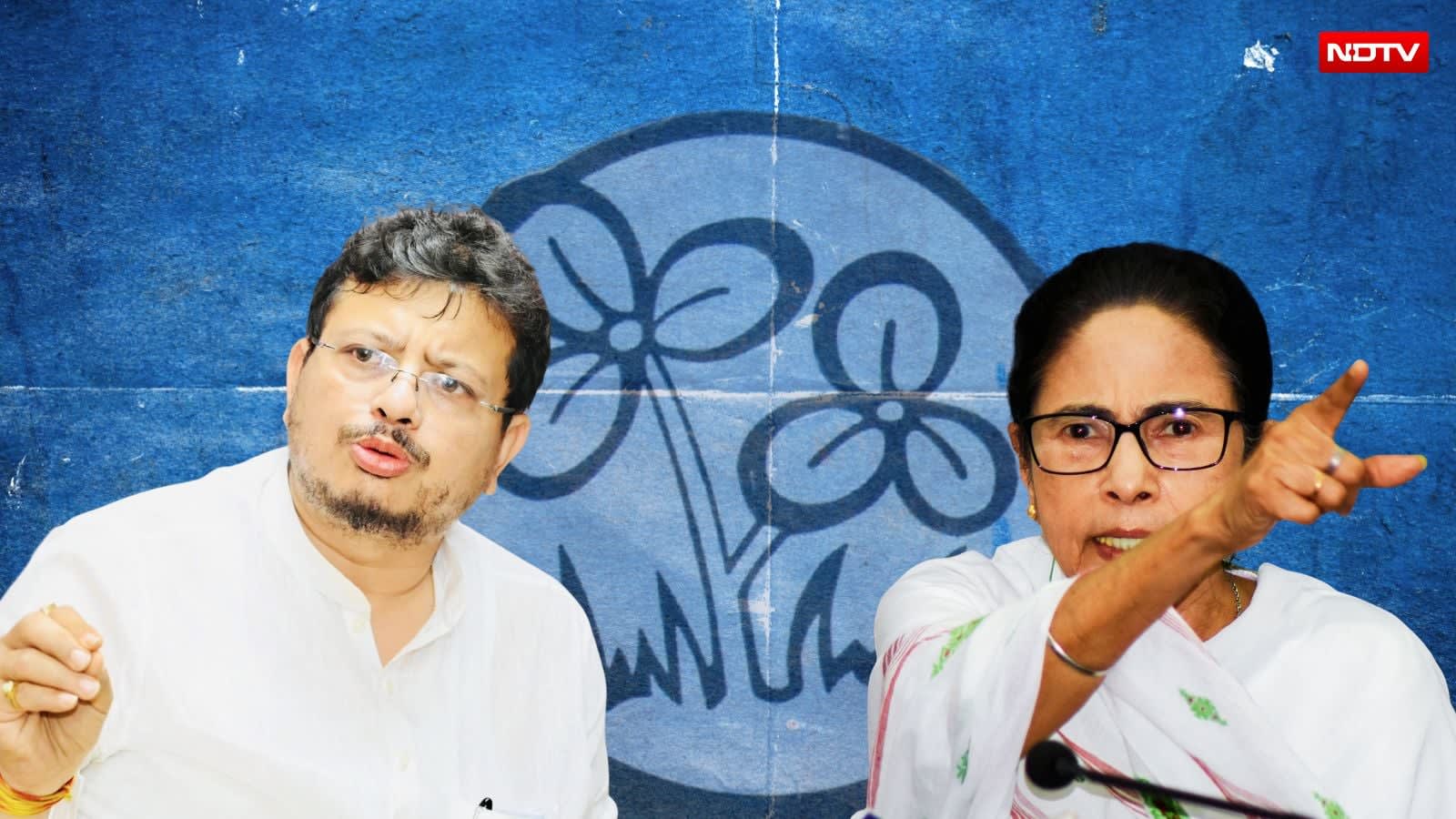
The Trinamool Congress (TMC) is embroiled in a significant political crisis following a party split led by Ritabrata Banerjee. The Election Commission's decision to freeze the party's symbol has sparked a legal battle in the Supreme Court and drawn sharp criticism from opposition parties like the Congress.
The Trinamool Congress Crisis: A Political Storm
The political landscape in West Bengal has been thrown into turmoil following a tumultuous 72-hour period for the Trinamool Congress (TMC). Founded by Mamata Banerjee in 1998, the party is currently facing an existential threat after a factional split led by Ritabrata Banerjee challenged the party's internal structure and legitimacy. This internal fracture has resulted in significant setbacks, including the loss of the party's official symbol, its name, and a candidate, marking one of the most challenging episodes in the organization's history.
The Legal Battle for Identity
Following the internal split, the conflict quickly escalated into a legal confrontation. The Election Commission (EC) intervened by freezing the TMC's election symbol, a move that effectively sidelined the party’s ability to campaign under its established brand identity. Mamata Banerjee has responded by taking the matter to the Supreme Court, seeking to challenge the EC's freeze. The judiciary now holds the pivotal role of determining the rightful ownership of the party’s name and symbols, a decision that will have lasting implications for the party's future electoral prospects.
Opposition Criticism and Political Fallout
The crisis has reverberated beyond the TMC, drawing sharp reactions from national political entities. The Congress party, through leader KC Venugopal, has publicly criticized the Election Commission's timing and decision-making process. By labeling the freeze a "late night birthday gift to Modi ji," the Congress is framing the EC's actions as politically motivated, suggesting a level of coordination or bias that favors the ruling BJP administration. This rhetoric underscores the high stakes of the situation, as opposition parties attempt to leverage the TMC's instability to highlight broader concerns regarding institutional autonomy in India.
Strategic Implications and Future Trends
This 72-hour rollercoaster highlights the fragility of regional political parties when faced with internal dissent and regulatory scrutiny. The loss of a symbol is not merely a bureaucratic hurdle; in the Indian electoral context, the symbol is the primary conduit through which illiterate or semi-literate voters identify their preferred candidates. As the case proceeds through the Supreme Court, the TMC must navigate a complex landscape of legal defense while simultaneously attempting to maintain its grassroots support base during this period of uncertainty.
Conclusion: Assessing the Path Forward
The struggle for the Trinamool Congress serves as a stark reminder of the complexities inherent in Indian party politics, where internal fissures can trigger rapid institutional responses. Whether Mamata Banerjee can successfully reclaim the party’s identity through the Supreme Court remains to be seen. As the political maneuvering continues, the outcome of this dispute will likely set a precedent for how the Election Commission handles internal party disputes and symbol allotment in the future, potentially reshaping the competitive dynamics of West Bengal politics for years to come.
Multiple Citing Sources
Verification Required?