Electoral scenario will change in 2029, NEET abolition will be first voice in Parliament: T.N. Minister Aadhav Arjuna
Source Entity
India Latest News: Top National Headlines Today & Breaking News | The Hindu
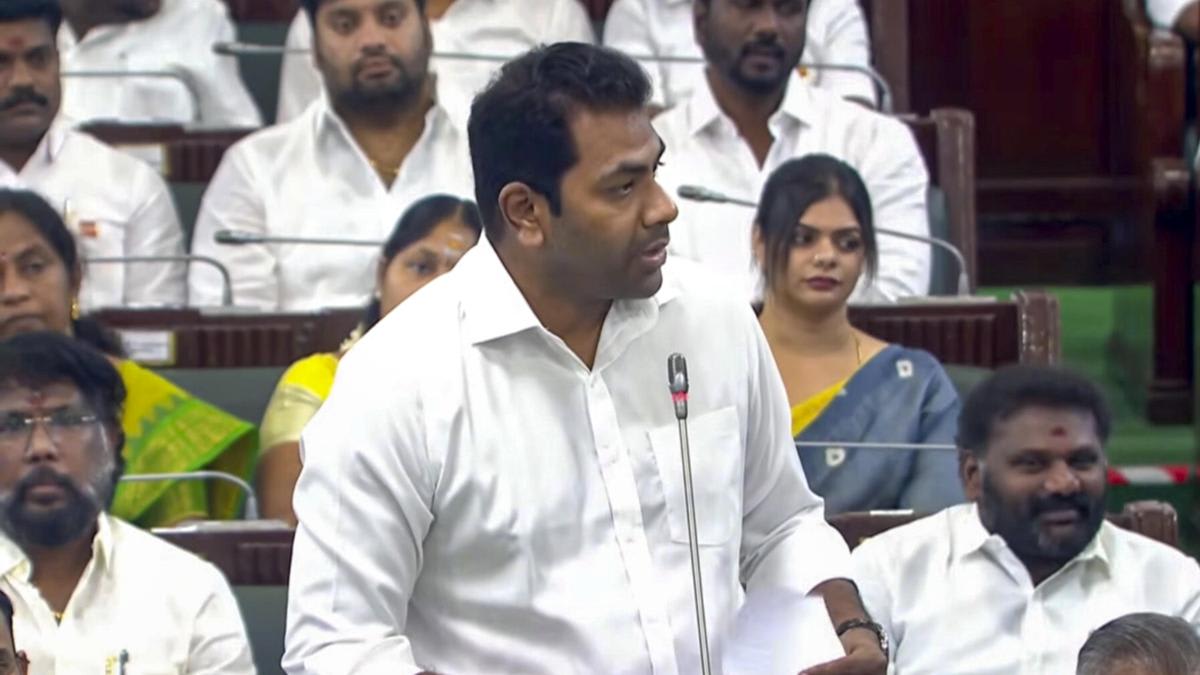
Tamil Nadu Minister Aadhav Arjuna has pledged that the 2029 Lok Sabha elections will result in the abolition of the NEET examination. The move follows ongoing political tension in the state, highlighted by the denial of permission for student-led memorial meetings.
The Political Crusade Against NEET in Tamil Nadu
Tamil Nadu Public Works Department (PWD) Minister Aadhav Arjuna has ignited a significant political discourse by declaring that the electoral landscape of 2029 will be defined by a singular, urgent mandate: the abolition of the National Eligibility cum Entrance Test (NEET). Speaking on the ninth anniversary of the death of S. Anitha—a student whose suicide became a rallying cry for the anti-NEET movement—Arjuna framed the upcoming Lok Sabha elections as a referendum on the current medical entrance system. This assertion underscores the deep-seated grievances within Tamil Nadu’s political establishment regarding federal education policies.
Historical Context and the Legacy of S. Anitha
The mention of S. Anitha is central to understanding the emotional and political weight behind these statements. Her death years ago catalyzed a long-standing movement in Tamil Nadu, where critics argue that standardized national testing disproportionately disadvantages rural students and those from state-board educational backgrounds. By invoking her memory in the Assembly, Minister Arjuna is signaling that the anti-NEET stance is not merely a policy preference but a core pillar of the current administration’s platform, designed to resonate with the state's collective memory of educational inequity.
Tensions Over Public Assembly and Protest
The political environment remains fraught, as evidenced by Leader of the Opposition Udhayanidhi Stalin’s report that Chennai city police denied permission for memorial meetings planned by students and families. This administrative friction suggests a broader tension between grassroots activism and state-level governance. The restriction on public gatherings highlights how the debate over NEET has transcended the legislative arena, manifesting in street-level protests and recurring conflicts over the right to organize around this sensitive issue.
Legislative Rhetoric and Future Electoral Strategy
Minister Arjuna’s declaration that the "first voice in Parliament" after 2029 will be for the abolition of NEET indicates a strategic pivot toward national-level advocacy. By framing the 2029 Lok Sabha elections as the decisive moment for this policy shift, the minister is effectively setting a deadline for political mobilization. This approach suggests that the state government intends to leverage its parliamentary representation to challenge federal mandates, potentially setting the stage for a constitutional or legislative showdown between the state and the central government.
Psychological Impact and Student Advocacy
Beyond the political maneuvering, the minister’s message to students—urging them to remain confident and hopeful while emphasizing that "another life should not be lost"—reflects the heavy human toll associated with this policy debate. The government’s attempt to provide "self-confidence" through the Assembly indicates a desire to channel student frustration into political action rather than individual despair. This framing attempts to transform a tragedy into a catalyst for institutional change, effectively positioning the state government as the protector of the student body against what they perceive as an unjust federal testing regime.
Future Trends and Implications
Looking ahead, the discourse surrounding NEET is likely to intensify as the 2029 election cycle approaches. If the current administration maintains this trajectory, the NEET issue will likely become a litmus test for candidates seeking office in Tamil Nadu. The tension between state autonomy in education and central standardization is poised to become a defining feature of the regional political narrative, likely influencing voter turnout and party alliances in the years to come.
Verification Required?