Ditch suits for shorts in office, Tokyo urges men
Source Entity
Latest News: Todays Latest News Headlines from India & World | Hindustan Times | Hindustan Times
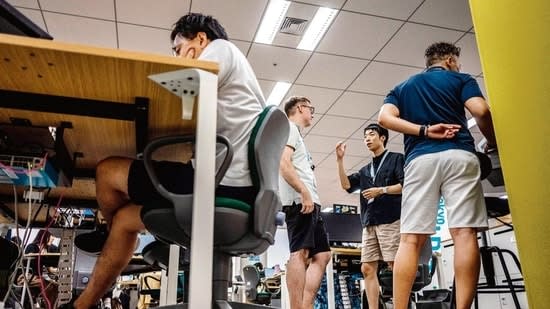
Tokyo is relaxing office dress codes to allow shorts and casual wear as record-breaking heat hits the city. The initiative aims to reduce energy consumption while sparking a national debate on gender norms and workplace etiquette.
The Heatwave Reshaping Tokyo's Corporate Culture
As Japan grapples with unprecedented summer temperatures, the traditional image of the Tokyo salaryman in a crisp suit and tie is undergoing a radical transformation. The Tokyo Metropolitan Government has taken a proactive stance, encouraging employees to abandon heavy formal wear in favor of polo shirts, linen tops, sneakers, and shorts. This shift is not merely a matter of fashion but a strategic response to the physical strain of extreme heat and a necessity for public health in a warming climate.
The Evolution of the 'Cool Biz' Legacy
This move is a direct evolution of the 'Cool Biz' campaign, a landmark initiative introduced by the Japanese government in 2005. Originally designed to combat rising energy demands by promoting office temperatures of 28 degrees Celsius, the campaign sought to reduce the reliance on intensive air-conditioning. By encouraging lighter attire, the government successfully shifted the cultural baseline for what is considered 'professional,' proving that environmental sustainability and workplace comfort can coexist with corporate productivity.
Economic and Environmental Imperatives
Beyond individual comfort, the relaxation of dress codes serves a broader economic and environmental purpose. By allowing employees to wear shorts and breathable fabrics, companies can effectively lower their energy consumption during peak summer months. This reduction in air-conditioning usage is a crucial component of Japan's broader strategy to manage its energy grid during heat-stressed periods, illustrating how localized workplace policy can contribute to national energy security.
Challenging Gender Norms and Etiquette
However, the transition has not been without social friction. The shift toward shorts for men has catalyzed a broader conversation regarding gender norms and workplace inequality. Reports indicate that some women have questioned the historical disparity in dress code expectations, highlighting how rules often disproportionately impact gendered comfort. This dialogue is forcing a re-evaluation of what constitutes 'professionalism' in a modern, inclusive, and climate-conscious society.
Future Trends in Workplace Design
Looking ahead, Tokyo's experiment may serve as a template for other global cities facing the existential threat of climate change. As heatwaves become more frequent and intense, the 'suit-and-tie' standard is increasingly viewed as an outdated relic of a cooler era. The future of the Japanese workplace will likely continue to prioritize functional comfort, with corporations moving toward permanent 'casual-first' policies that decouple professional competence from rigid, traditional aesthetics.
Conclusion
In summary, the decision to allow shorts in Tokyo offices represents a pragmatic adaptation to a changing climate. While it continues the energy-saving legacy of the 'Cool Biz' era, it also marks a significant turning point in social equity and corporate culture. By prioritizing the health of the workforce and the environment over rigid etiquette, Tokyo is setting a precedent for how modern cities can navigate the challenges of a heating planet.
Verification Required?