TP-Link’s first Wi-Fi 8 router is almost here
Source Entity
Jess Weatherbed
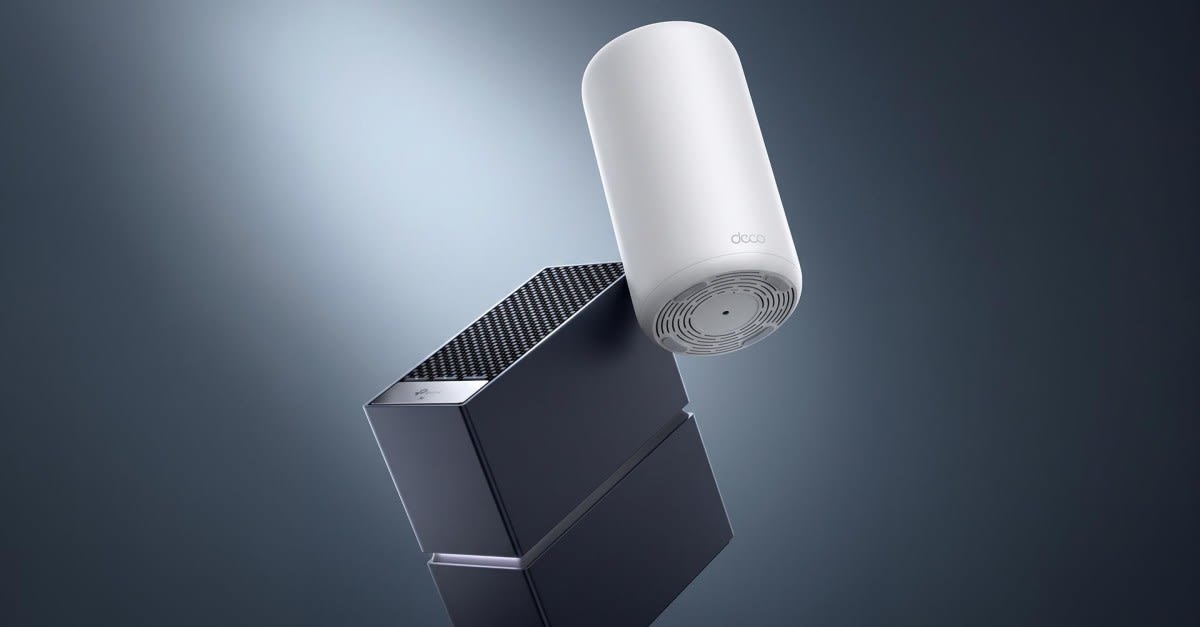
TP-Link has unveiled its new Archer 8 Ultra and Deco 8 Ultra hardware at IFA 2026, marking an early move toward the upcoming Wi-Fi 8 (IEEE 802.11bn) standard. These devices focus on practical connectivity improvements rather than just raw speed, offering massive wireless throughput and extensive coverage.
The Dawn of Wi-Fi 8: TP-Link’s Strategic Leap
At the IFA 2026 conference, TP-Link made a significant announcement by unveiling its Archer 8 Ultra tri-band router and Deco 8 Ultra mesh system. These products represent the industry’s first hardware iterations designed to support the forthcoming Wi-Fi 8 standard, technically classified under the IEEE 802.11bn specification. While the standard itself remains in the development phase, TP-Link’s proactive release signals a shift in how networking manufacturers approach the next generation of wireless connectivity.
Prioritizing Connectivity Over Raw Speed
Historically, wireless standards have been marketed primarily through the lens of headline-grabbing speed increases. However, TP-Link’s announcement suggests a pivot in strategy. By explicitly stating that these devices aim to "address the connectivity problems people actually notice," the company is acknowledging that modern network congestion—caused by the proliferation of smart home devices and high-bandwidth applications—is a more pressing consumer pain point than theoretical peak throughput. This approach marks a maturity in the networking market, focusing on reliability and efficiency.
Technical Specifications and Performance
Despite the focus on usability, the hardware specifications are formidable. The Archer 8 Ultra boasts 18 internal antennas, enabling wireless speeds of up to 19Gbps and 10Gbps via wired connections. The Deco 8 Ultra mesh system pushes this even further, offering 22Gbps over wireless and maintaining the 10Gbps wired standard. For a three-pack configuration, the system is designed to cover an impressive 9,800 square feet, addressing the needs of large-scale smart homes that require seamless, high-performance coverage across varied environments.
The Future of IEEE 802.11bn
As the IEEE 802.11bn standard continues to move toward finalization, the introduction of this hardware provides a glimpse into the future of wireless infrastructure. By deploying hardware before the standard is fully ratified, TP-Link is positioning itself as a leader in the transition to Wi-Fi 8. This strategy allows the company to establish a footprint in the enterprise and premium consumer markets, setting a benchmark for what users should expect when the standard officially arrives.
Broader Implications for Networking
This development suggests that the future of home networking will be defined by intelligent management of data traffic. As smart home ecosystems grow more complex, the ability of routers to handle multiple simultaneous high-demand streams without latency becomes critical. TP-Link’s focus on the "connectivity problems people actually notice" implies that future firmware updates and software integration will be just as important as the hardware itself, ensuring that the 802.11bn standard delivers a tangible improvement in user experience rather than just a higher number on a box.
Conclusion
In summary, TP-Link’s announcement at IFA 2026 serves as a bellwether for the next generation of wireless technology. By balancing massive hardware potential—such as the 22Gbps capacity of the Deco 8 Ultra—with a clear focus on solving real-world connectivity issues, TP-Link is setting a high bar for competitors. As we look toward the finalization of Wi-Fi 8, these early-adopter devices will likely define the transition period, offering a preview of a more robust and responsive digital future.