Waymo and Zoox expand into more U.S. markets as robotaxi race heats up
Source Entity
US Top News and Analysis
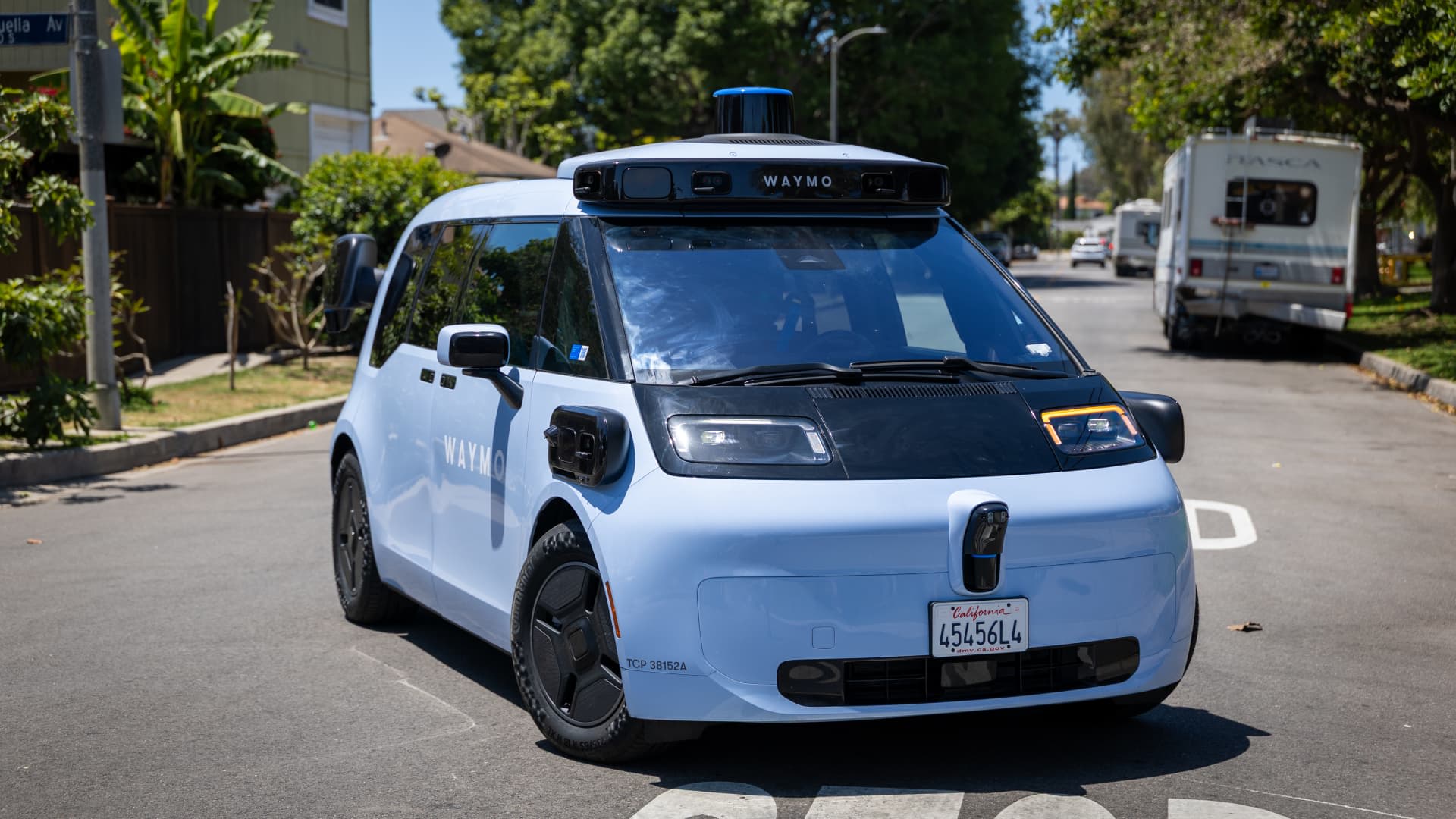
Waymo has expanded its autonomous robotaxi operations to Denver, San Diego, and Tampa, bringing its total presence to 14 U.S. cities. This move intensifies competition with Tesla and Amazon's Zoox as the autonomous driving industry accelerates.
The Rapid Expansion of Autonomous Transit
Alphabet-owned Waymo has officially extended its commercial robotaxi operations into three new major U.S. markets: Denver, San Diego, and Tampa. This strategic expansion brings the company’s total footprint to 14 cities across the United States. By utilizing a rolling invitation model, Waymo aims to scale its services gradually, maintaining the same operational playbook that has allowed it to secure a commanding lead in the nascent autonomous vehicle (AV) sector. This growth is supported by a massive fleet expansion, now comprising over 4,000 vehicles, including Jaguar I-Pace hatchbacks and the newer Ojai minivans.
Competitive Dynamics in the Robotaxi Market
The timing of this expansion is highly significant, as it coincides with an increasingly aggressive race for dominance in the autonomous ride-hailing space. Tesla is currently working to close the gap, operating driverless Tesla Model Y vehicles in several major cities, including Austin, Dallas, Houston, Miami, and Orlando, as well as overlapping in Tampa. Meanwhile, Amazon-backed Zoox is also scaling its presence, announcing plans to test its distinct, toaster-shaped vehicles in Houston and San Diego with human safety drivers on board. This collective push indicates that the robotaxi market is shifting from a period of experimental testing to a phase of rapid commercial deployment.
The Technological Divide: Sensors vs. End-to-End AI
Beyond the geographic expansion, a fundamental philosophical and technical rift has emerged between Waymo and its competitors, specifically Tesla. In the lead-up to Tesla's expected unveiling of its Cybercab, Waymo has taken a public stance against the "pure end-to-end" AI approach favored by some rivals. Waymo contends that achieving true, safe autonomy is impossible without a sophisticated, redundant mix of sensors—such as LiDAR, radar, and cameras. By arguing that end-to-end systems lack the necessary safety thresholds, Waymo is positioning its proprietary, sensor-heavy technology as the gold standard for public trust and operational reliability.
Strategic Positioning and Industry Friction
Waymo’s decision to air these technical critiques publicly has sparked significant debate within the industry. By labeling pure AI systems as potentially unsafe, the company is attempting to shape the regulatory and public perception discourse before Tesla can solidify its market position with the Cybercab. This "offense-first" strategy underscores the high stakes involved in the race for the future of urban mobility. The resulting social media discourse highlights the tension between those who prioritize rapid AI iteration and those who believe in the necessity of hardware-heavy safety redundancies.
Future Trends and Market Implications
As these companies continue to scale, the focus will likely shift toward operational efficiency, cost-per-mile metrics, and the ability to navigate complex urban environments reliably. With Waymo now operating in 14 cities and Zoox expanding to 12 markets, the infrastructure for autonomous transit is becoming increasingly robust. The industry is reaching a critical inflection point where the winner will not necessarily be the company with the most advanced AI, but the one that can prove consistent, safe, and scalable operations across diverse climate and traffic conditions in the United States.