Trade court upholds Trump's closure of 'de minimis' loophole
Source Entity
US Top News and Analysis
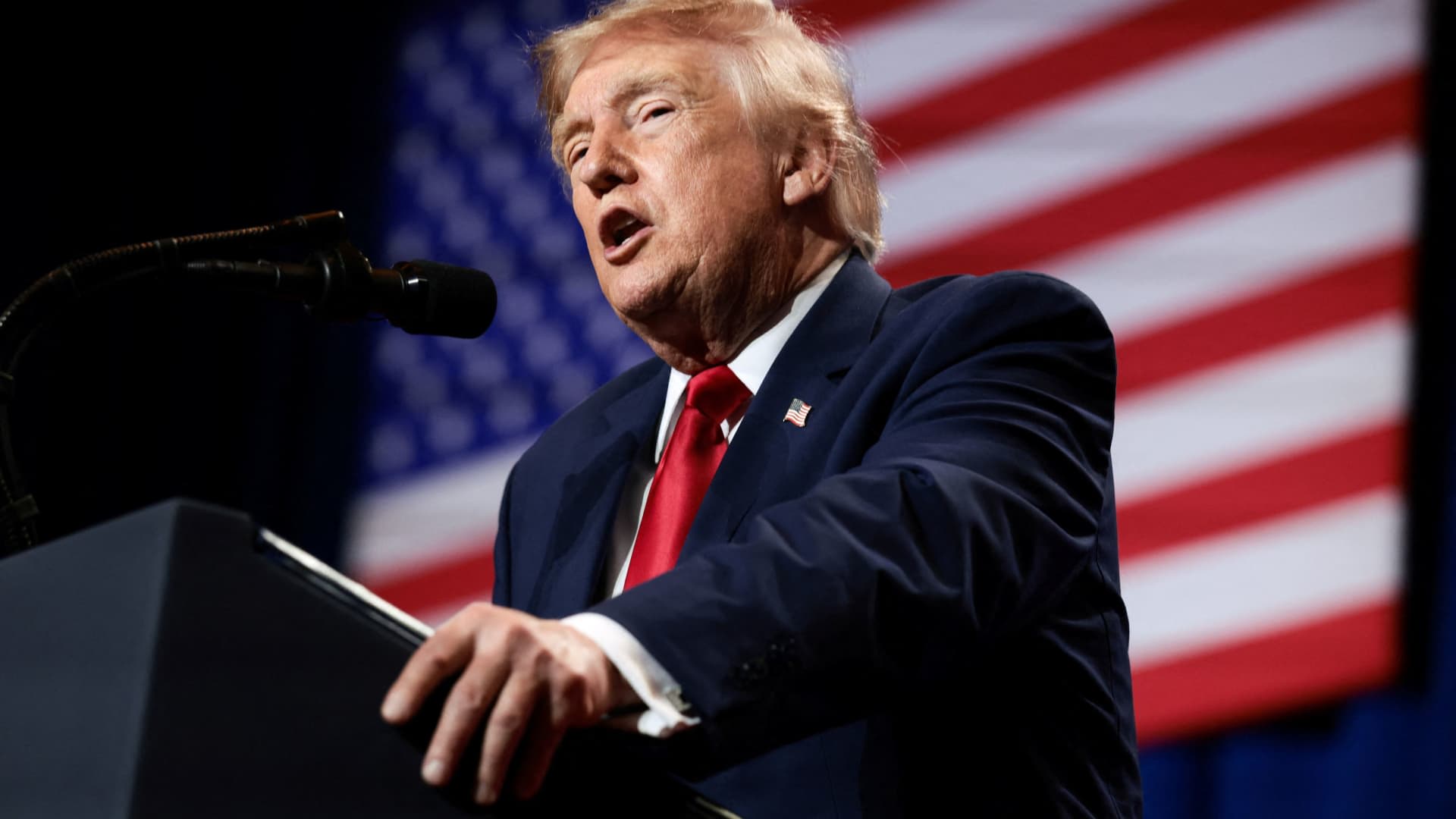
A federal trade court has upheld President Trump’s decision to eliminate the 'de minimis' import exemption. This ruling effectively ends the tax-free status for goods valued under $800, marking a significant shift in U.S. trade policy.
The End of the De Minimis Loophole: A Shift in Trade Policy
In a landmark decision for U.S. trade regulation, a federal trade court has officially upheld President Donald Trump’s executive order to eliminate the 'de minimis' exemption. This policy previously allowed foreign goods valued at less than $800 to enter the United States duty-free and with minimal customs scrutiny. The court's ruling serves as a major validation of the administration's broader protectionist agenda, signaling an end to an era of friction-less, low-value imports that have dominated e-commerce logistics for years.
The Legal Battle: Detroit Axle vs. The Administration
The legal challenge was spearheaded by Detroit Axle, a Michigan-based auto-parts distributor. The company filed suit in May 2025, arguing against the legality of the rescission of the exemption, which had been executed by President Trump earlier that year. By challenging the executive order, Detroit Axle sought to maintain the cost-efficiency of importing parts through the loophole. However, the court's recent refusal to overturn the administration's action underscores the broad authority the executive branch holds over trade policy and customs enforcement.
Economic Rationale and Revenue Concerns
President Trump has consistently framed the elimination of the de minimis rule as a critical victory for the U.S. treasury. Proponents of the closure argue that the exemption had become a massive tax loophole, costing the federal government billions of dollars in uncollected revenue. By forcing these goods into the standard customs pipeline, the administration aims to level the playing field for domestic businesses that are subject to standard tariffs and regulatory compliance costs, which foreign entities were previously bypassing.
Broader Implications for Global Trade
This policy shift is expected to have a profound impact on international supply chains and consumer pricing. Companies that relied on the $800 threshold to maintain thin margins on low-cost goods will now face higher overheads. Furthermore, this move is part of the administration's wider strategy of utilizing tariffs as a tool for economic nationalism. By tightening the borders against small-parcel imports, the government is signaling a departure from the globalist trade models of the past decade toward a more insular, revenue-focused framework.
Future Trends and Market Adjustments
Looking ahead, the logistics and retail sectors must brace for a new reality characterized by increased customs processing times and higher import costs for consumer goods. While the administration celebrates this as a 'BIG WIN' for American revenue, the long-term impact on inflation and consumer purchasing power remains a subject of intense debate. As the administration continues to prioritize protectionist measures, market participants should anticipate further scrutiny of cross-border trade practices and potential adjustments to how small-scale international business is conducted.