Transforming AI investment into business value
Source Entity
Latest News: Todays Latest News Headlines from India & World | Hindustan Times | Hindustan Times
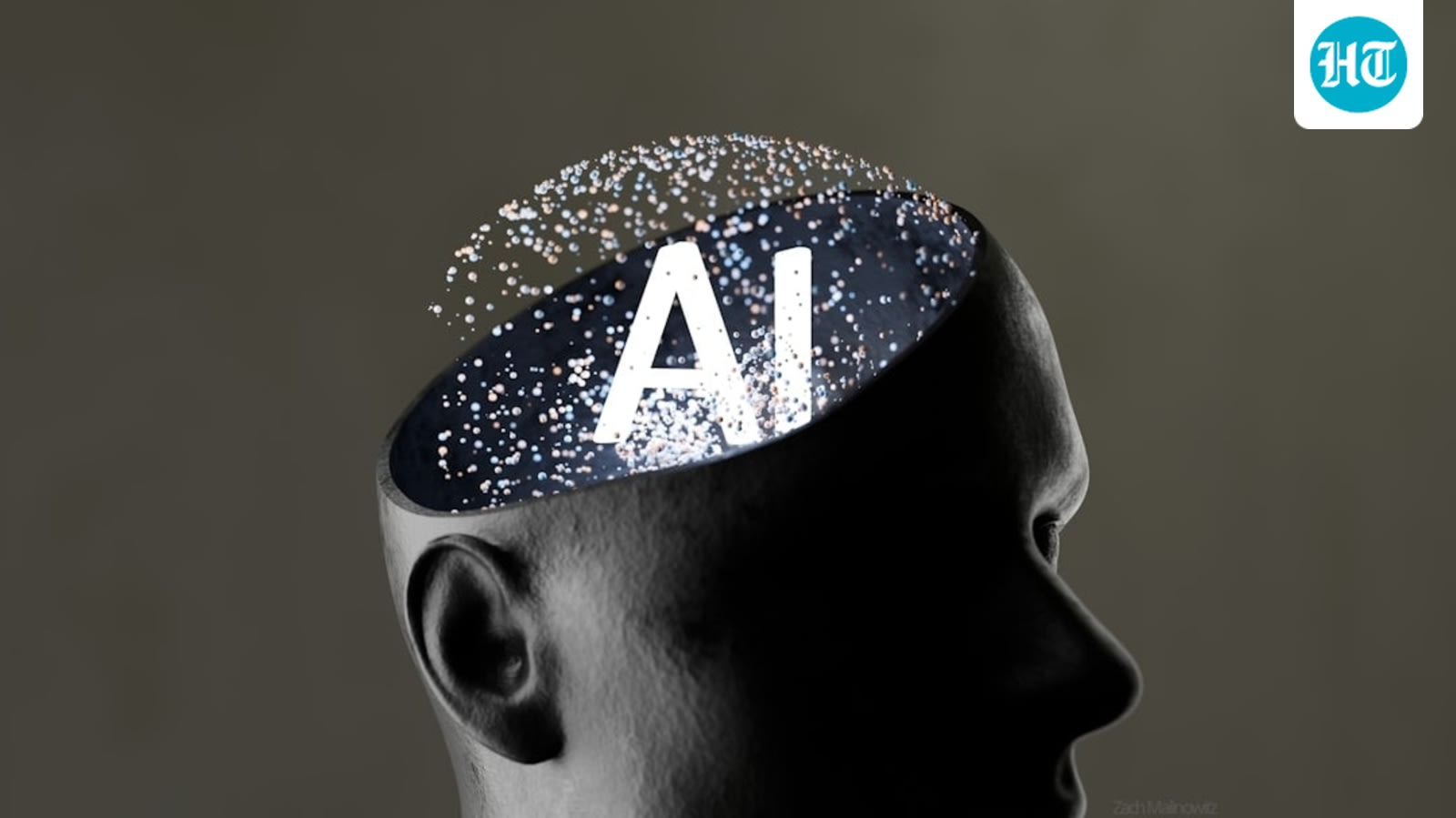
Indian executives are increasingly adopting AI to boost productivity, but success depends on human capital integration. Marsh’s 2026 report highlights a significant gap between AI investment and workforce readiness.
The Strategic Imperative of AI Integration in India
The landscape of Indian corporate operations is undergoing a rapid metamorphosis as executives increasingly pivot toward Artificial Intelligence (AI) to drive productivity and operational efficiency. As noted by Prawal Kalita of Marsh India, the mere acquisition of cutting-edge AI platforms is no longer the primary differentiator for business success. Instead, the focus has shifted toward a more nuanced challenge: how to effectively harmonize advanced technological capabilities with human capital to ensure sustainable growth.
The ROI Gap: Technology vs. Talent
According to Marsh’s Global Talent Trends 2026 report, a significant majority of executives—approximately 63%—identify the redesign of work processes around AI and automation as the most critical initiative for delivering a tangible return on investment. This consensus reflects a broader industry recognition that AI serves as a catalyst for performance. However, a critical disconnect persists: only 32% of these leaders believe their current workforce possesses the necessary skills to integrate human and machine capabilities effectively. This discrepancy underscores the reality that technology, in isolation, remains underutilized if not supported by a workforce capable of navigating the new digital environment.
Bridging the Competency Divide
To bridge the gap between AI deployment and business value, organizations must prioritize workforce preparation with the same rigor applied to selecting their technological stack. The challenge lies in the transition from traditional workflows to augmented ones. Leaders who fail to invest in upskilling and reskilling their employees risk creating a 'technological bottleneck,' where sophisticated tools are implemented but remain largely ineffective due to a lack of human-machine synergy.
Redesigning Work for a Hybrid Future
Redesigning work around AI necessitates a fundamental rethink of job roles and organizational hierarchies. As AI automates routine tasks, the role of the human worker is evolving toward high-value decision-making, creative problem-solving, and complex interaction management. This shift requires a cultural change within organizations, moving away from viewing AI as a replacement for labor to viewing it as a tool for augmenting human potential.
Future Trends in Workforce Readiness
Looking ahead, the companies that will emerge as leaders in the Indian market are those that treat human capital as a strategic asset to be developed in tandem with AI adoption. Future trends suggest that organizations will likely move toward 'human-in-the-loop' systems, where the success of AI investment is measured not just by efficiency gains, but by the ability of the workforce to leverage these tools to drive innovation. Ultimately, the synthesis of human ingenuity and machine processing power will define the next decade of business performance in India.
Verification Required?