The Treasury market is flashing a warning sign for home buyers. Are 7% mortgage rates next?
Source Entity
Aarthi Swaminathan
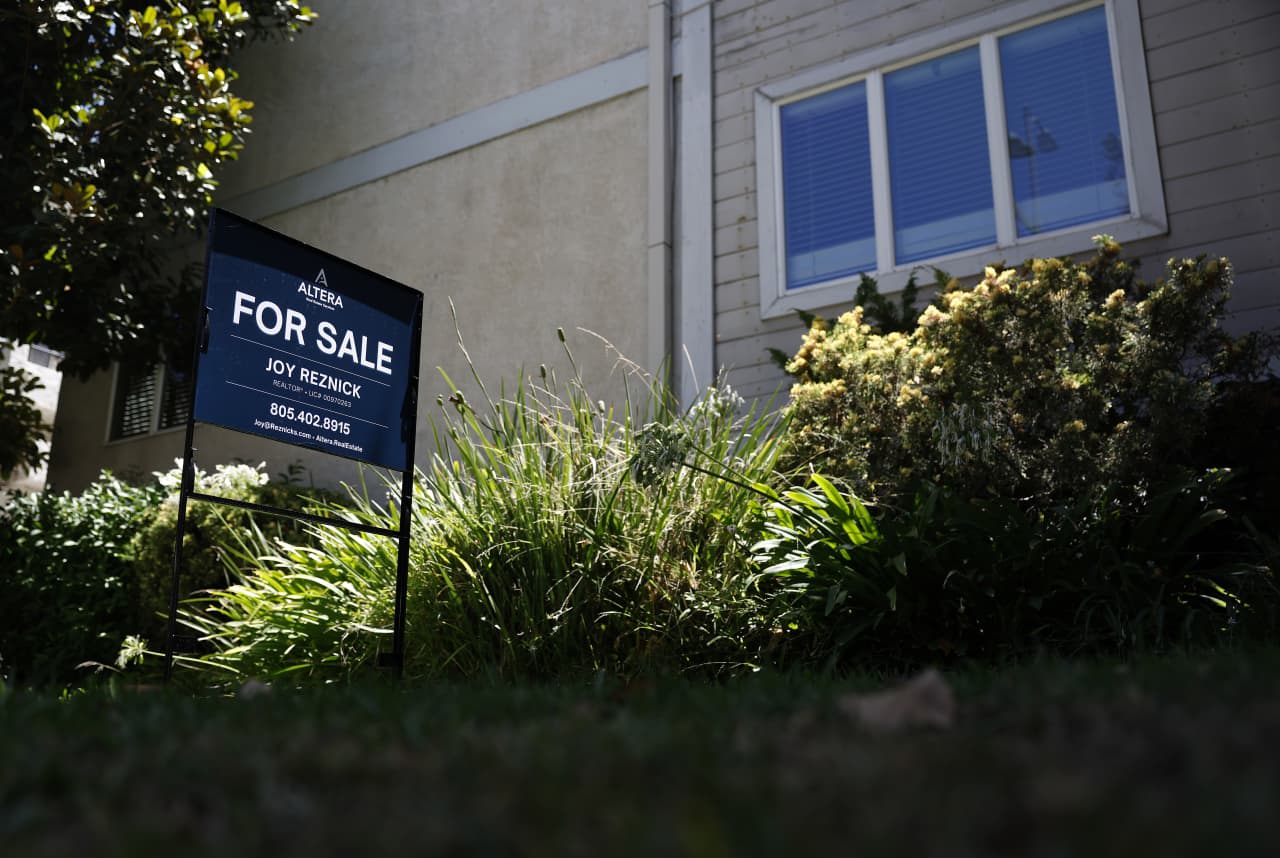
The 30-year fixed-rate mortgage has reached its highest level of 2026, signaling potential challenges for prospective home buyers. This rise in treasury yields suggests that interest rates may continue to climb in the near term.
The Rising Cost of Homeownership in 2026
Recent market data indicates that the 30-year fixed-rate mortgage has climbed to its highest level of the year in 2026. This development serves as a critical indicator for the housing market, suggesting that the era of affordable borrowing costs is facing significant headwinds as treasury yields exert upward pressure on consumer lending products.
The Link Between Treasuries and Mortgages
The mortgage market is deeply tethered to the performance of U.S. Treasury bonds. When investors demand higher yields on government debt, mortgage lenders typically follow suit to remain competitive and mitigate risk. As the Treasury market flashes these warning signs, it suggests that the broader financial environment is bracing for a period of sustained, if not increasing, interest rates.
Implications for Potential Buyers
For prospective home buyers, this rise in rates represents a direct increase in the cost of debt service. A higher mortgage rate translates to higher monthly payments, which reduces the purchasing power of the average household. As rates approach the 7% threshold, many buyers may find themselves priced out of markets that were previously attainable, potentially cooling demand in the housing sector.
Economic Broadening and Future Trends
While the current focus is on the 30-year fixed rate, the broader implication is a shift in how capital is allocated across the economy. Elevated rates often signal that the economy is adjusting to a new baseline of borrowing costs. If these trends persist, we may see a stagnation in home sales volume as both buyers and sellers pause to assess the long-term impact of these financing costs on property valuations.
Conclusion: Navigating a Tightening Market
The trajectory of the 30-year fixed-rate mortgage in 2026 underscores the volatility currently present in the financial markets. Home buyers must now prepare for a landscape where liquidity is more expensive, requiring a more cautious approach to financial planning. Moving forward, the relationship between treasury stability and mortgage accessibility will remain the primary factor determining the health of the residential real estate market.
Verification Required?