TreeSize won't renew perpetual-license support unless users subscribe
Source Entity
Scharon Harding
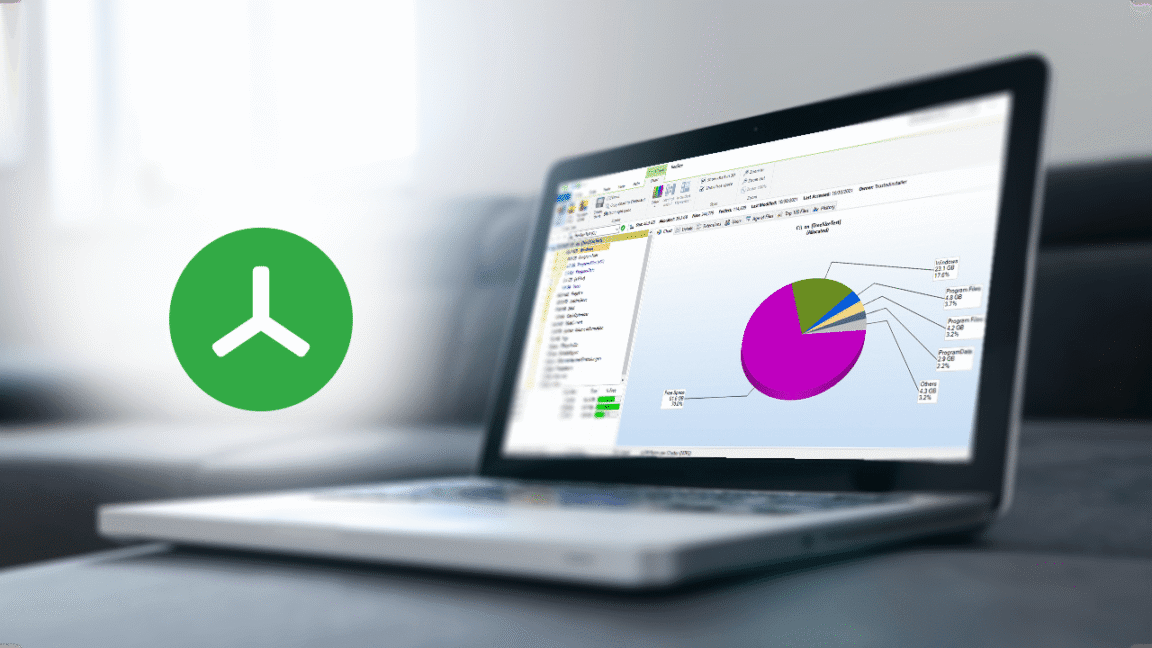
JAM Software has shifted its TreeSize business model toward subscriptions, requiring active maintenance for continued support and access to installers. While personal perpetual licenses remain available, the policy change has sparked significant user frustration regarding long-term software access.
The Shift in Software Licensing: JAM Software’s New Direction
The software industry is currently witnessing a widespread migration from traditional perpetual licensing models toward recurring subscription-based frameworks, a trend recently exemplified by JAM Software’s updates to its disk space analyzer, TreeSize. By mandating that users maintain active subscriptions to access ongoing support and updates, the company is aligning itself with broader economic shifts that prioritize predictable, recurring revenue over one-time software purchases.
The Impact of 'Economic Conditions' on Perpetual Licenses
JAM Software has explicitly cited "current economic conditions" as the primary driver for this strategic pivot. For the end-user, this means that the traditional concept of 'owning' software in perpetuity is being redefined. When a perpetual license’s maintenance period expires, users are now effectively cut off from critical updates and technical support unless they commit to a subscription. This transition creates a significant barrier for legacy users who previously relied on the longevity of a single, upfront payment.
Access Constraints and User Frustration
One of the most contentious aspects of this policy change is JAM Software’s long-standing refusal to provide license keys or installers to perpetual license holders once their maintenance period has lapsed. This creates a technical fragility for the consumer; if a user loses their original installer or needs to re-deploy the software on a new machine after their maintenance expires, they are unable to retrieve the necessary files. This policy has understandably triggered frustration among the user base, as it limits the true 'perpetual' nature of the product they purchased.
The Evolution of the TreeSize Model
Since 2025, the company has been aggressively transitioning its various editions toward subscription models. While TreeSize Personal still offers a perpetual license, it is now strictly bundled with a 12-month window for updates, support, and access to the installer. Once this year-long window closes, the user must either pay to extend the support period or risk losing access to the essential tools required to manage their license. Product manager He has indicated that there are currently no plans to discontinue the personal perpetual license, yet the utility of that license is clearly diminishing over time.
Future Trends and Market Implications
This shift reflects a wider industry movement where software companies are moving away from the 'buy once, use forever' model to ensure consistent profitability. For consumers, this implies a future where software is increasingly treated as a service rather than a product. As companies continue to centralize control over installers and updates, the ability of users to maintain legacy systems independently is rapidly eroding. Users must now carefully calculate the long-term cost of ownership, as the initial price of a perpetual license is no longer the final financial obligation required to keep the software functional.