Trump administration has spent nearly $4B to cancel offshore wind farms
Source Entity
Tim De Chant
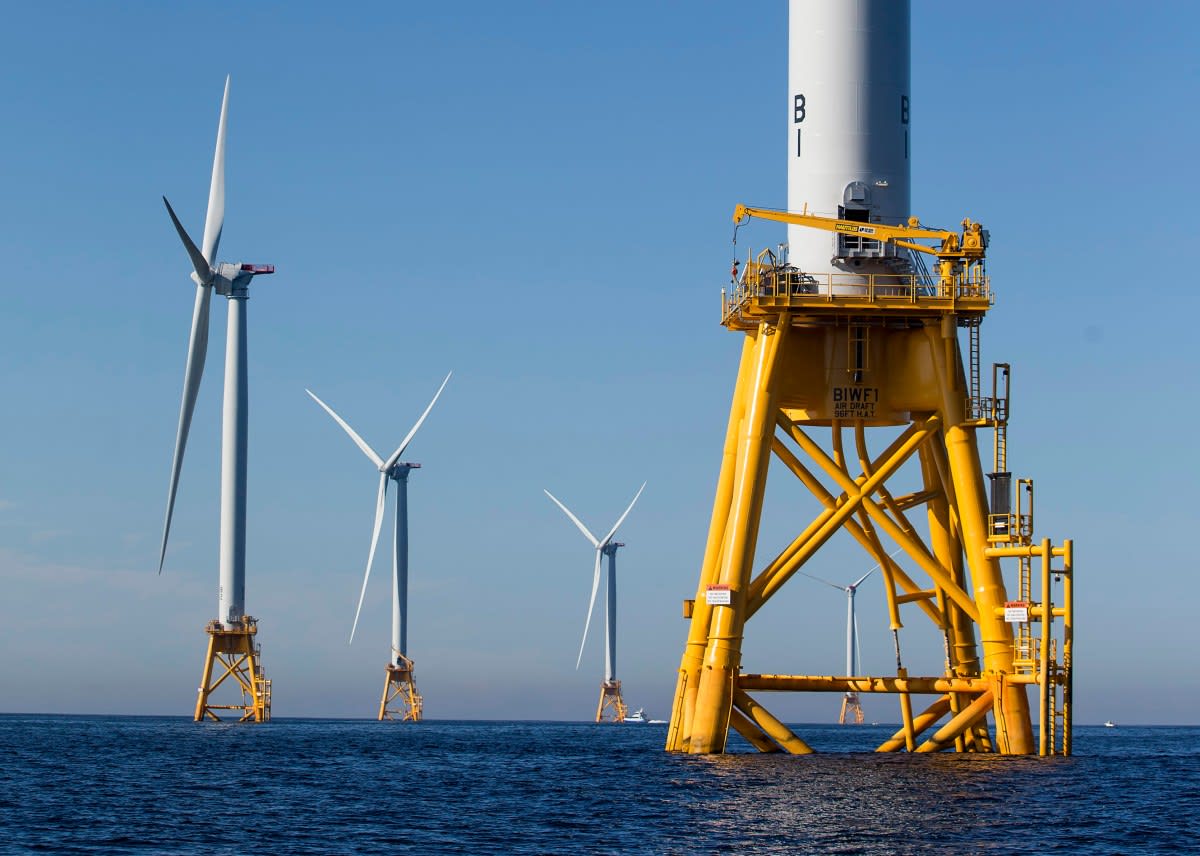
The Trump administration has spent nearly $4 billion to cancel 12 offshore wind leases, redirecting funds toward natural gas infrastructure. Simultaneously, a federal court has ordered the government to resume wind project approvals, ruling that the Department of Defense's blanket hold on development is illegal.
The Strategic Pivot: Reversing Offshore Wind
The Trump administration has engaged in a systematic effort to dismantle offshore wind development, recently reaching a total expenditure of nearly $4 billion in taxpayer funds to facilitate the cancellation of 12 distinct offshore wind leases. This policy shift represents a significant departure from previous federal support for renewable energy, favoring a transition back toward fossil fuel-centric infrastructure. The most recent transaction involves a $1.2 billion payout to the German utility RWE, effectively terminating projects that were planned for the coasts of California, Louisiana, and New York.
The Cost of Cancellation and Fossil Fuel Reinvestment
The financial implications of these cancellations are profound. The $1.2 billion settlement with RWE is being redirected into traditional energy sectors: $900 million is earmarked for a stake in a Louisiana liquid natural gas (LNG) export terminal, while the remaining $300 million is designated for purchasing natural gas turbines. These turbines are intended for 15 peaking power plants across the United States. Notably, peaking plants are categorized as both the most expensive and the most carbon-intensive forms of natural gas power generation, raising questions about the long-term economic and environmental sustainability of this energy strategy.
Lost Potential in Renewable Capacity
The environmental opportunity cost of these cancellations is substantial. For instance, the canceled New York offshore wind farm was projected to generate over 3 gigawatts of electricity. By abandoning such large-scale projects, the administration is effectively curbing the expansion of the nation’s renewable energy portfolio, which is vital for long-term grid diversification. The replacement of these wind assets with peaking power plants underscores a ideological preference for dispatchable, albeit polluting, energy sources over intermittent renewable capacity.
Legal Challenges to Executive Authority
Despite the administration's aggressive stance, its efforts to halt wind power have faced significant judicial pushback. In a critical ruling, a U.S. District Court in Oregon determined that the administration’s de facto moratorium on wind projects—which began in August 2025 when the Department of Defense (DoD) ceased its participation in mandatory radar interference reviews—is unlawful. The court found that the government cannot invoke national security claims to bypass legally mandated oversight processes.
The Radar Interference Debate
Central to the administration's strategy has been the argument that the development of new drone technology makes wind turbines a national security liability due to potential radar interference. By claiming that turbines obstruct radar systems, the administration has sought to stall both land-based and offshore projects. However, the Oregon court's ruling mandates that the DoD must resume its role in the review process, asserting that national security claims do not grant the executive branch the authority to ignore established administrative law.
Future Implications and Outlook
The intersection of these massive payouts and the recent court ruling sets the stage for a prolonged legal and political confrontation. While the administration has successfully liquidated several major wind leases, the judicial insistence on following established approval protocols may complicate future attempts to halt renewable development. As the backlog for natural gas turbines remains unclear and the legal battle over radar interference continues, the future of U.S. energy policy remains in a state of flux, caught between executive efforts to pivot to fossil fuels and judicial requirements for regulatory compliance.
Multiple Citing Sources