Trump's New Tariff Threat To India Comes With Relief Clause, But At A Cost
Source Entity
NDTV News Search Records Found 1000
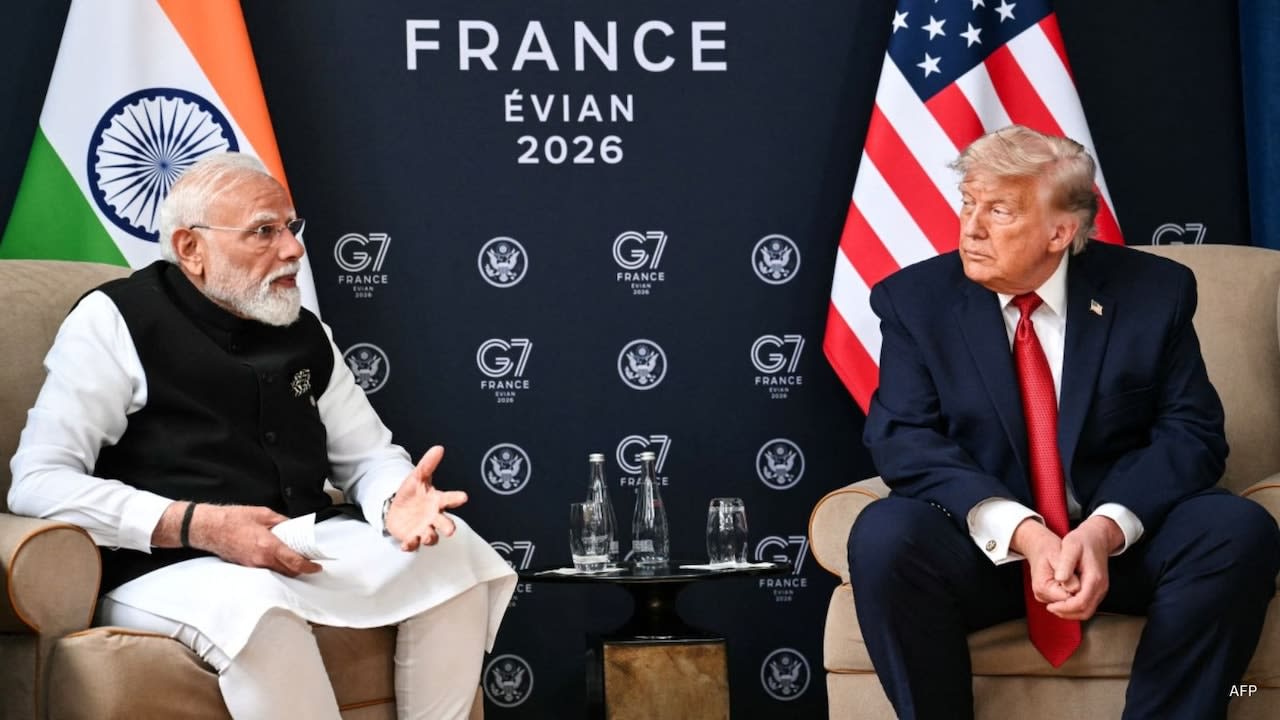
The Trump administration is set to impose new tariffs on 16 major trading partners, including China, the EU, India, and Japan, to address concerns over excess industrial capacity. This move comes despite recent Supreme Court setbacks and potential inflationary pressures on U.S. consumer goods.
Escalating Trade Protectionism: A New Wave of Tariffs
The Trump administration is reportedly preparing to announce a new series of import duties targeting 16 major U.S. trading partners, including China, the European Union, India, and Japan. This impending policy shift, rooted in findings from a Section 301 investigation under the Trade Act of 1974, seeks to address what the administration characterizes as 'excess industrial capacity' in these nations. By framing these manufacturing surpluses as a direct burden on American commerce, the White House is signaling a continued commitment to a protectionist trade agenda, even in the wake of domestic political challenges and legal pushback.
The Legal and Economic Context
This maneuver follows a turbulent period for the administration's trade policy, notably the February Supreme Court ruling that invalidated several previous global import taxes. The current strategy appears to be a recalibration, designed to replace those struck-down measures with new, legally distinct levies. By citing Section 301, the administration is leveraging executive authority to combat practices it deems discriminatory or burdensome. However, this strategy faces significant scrutiny, as previous rounds of tariffs have been linked to rising prices for consumer goods within the United States, raising concerns about the domestic inflationary impact of this latest protectionist push.
Navigating Global Diplomatic Tensions
Central to this development is the ongoing economic friction with China, which is projected to reach a record trade surplus exceeding $1 trillion in 2026. Despite this, sources suggest that the new tariffs on Chinese goods may be calibrated to remain within the parameters of the existing truce between President Trump and President Xi Jinping. This delicate balancing act highlights the administration's desire to exert pressure on global manufacturing sectors without triggering a total collapse of diplomatic trade frameworks that were painstakingly negotiated.
Structural Excess Capacity as a Catalyst
At the core of the administration’s argument is the claim that structural excess capacity in foreign manufacturing sectors is actively harming the U.S. economy. Senior officials argue that these actions are necessary to level the playing field, characterizing the targeted economies as contributors to a global supply glut that restricts American competitiveness. By notifying the 14-16 affected partners, the U.S. is positioning these duties as a firm response to what it views as unfair, systemic trade practices that have persisted despite previous bilateral negotiations.
Political Resilience and Future Implications
Interestingly, this policy announcement comes shortly after significant losses for the Republican Party in the U.S. midterm elections. The administration’s choice to proceed suggests an ideological commitment to protectionism that remains undeterred by electoral setbacks. As these new duties are implemented, the global trade community will be watching closely to see if they serve as a catalyst for a broader trade war or if the administration’s strategy of keeping rates within existing framework deals will prevent a total escalation. Ultimately, the success of this policy will be judged by its ability to balance domestic manufacturing goals against the inevitable economic strain on global supply chains and consumer costs.
Multiple Citing Sources
Verification Required?