Trump administration urges banks to scrutinize lending to immigrants without work authorization
Source Entity
US Top News and Analysis
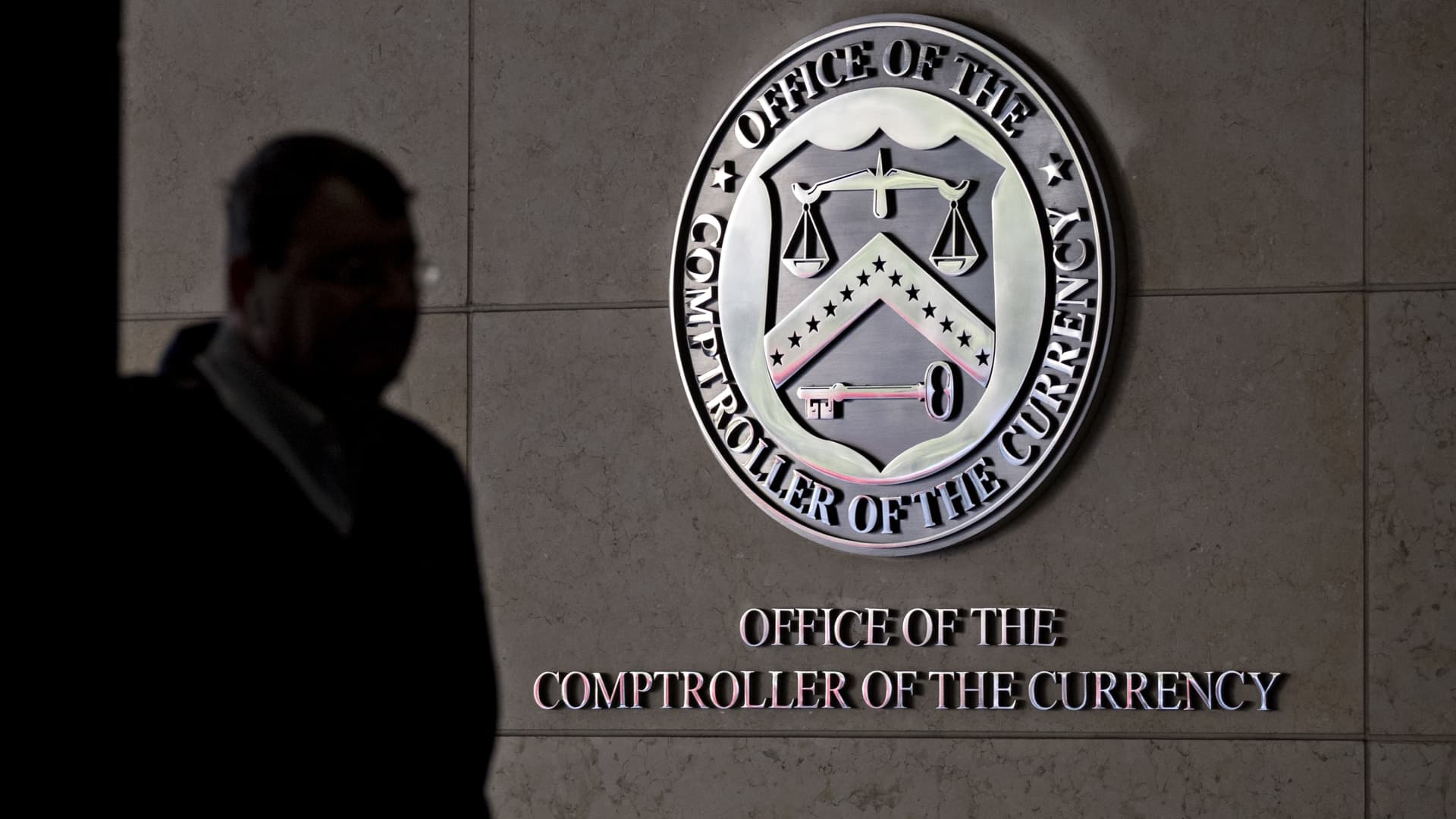
Federal bank regulators issued guidance Monday seeking to curb mortgages, auto loans and other consumer credit to immigrants without U.S. work authorization.
Analysis of Federal Guidance on Immigrant Lending Restrictions
The Trump administration's recent directive to federal bank regulators marks a significant shift in the intersection of financial regulation and immigration enforcement. By urging banks to scrutinize and curb lending—specifically mortgages, auto loans, and general consumer credit—to immigrants without U.S. work authorization, the administration is leveraging the private financial sector as a tool for immigration policy. This move signals a strategy of financial attrition, where the lack of access to traditional credit serves as a deterrent or a pressure point for individuals residing in the U.S. without legal work status.
The Regulatory Mechanism and Banking Compliance
Historically, banks have managed lending risks through credit scores and income verification. However, this new guidance pushes regulators to move beyond traditional risk assessment toward a more stringent verification of legal status. For financial institutions, this creates a complex compliance environment. Banks must now balance their internal risk-management protocols with federal guidance that essentially asks them to treat the absence of work authorization as a primary disqualifier or a high-risk red flag. This could lead to an increase in 'de-risking,' where banks avoid certain customer segments entirely to ensure they are not seen as facilitating the stay of undocumented immigrants.
Economic Implications for Immigrant Communities
The restriction of mortgages and auto loans has immediate and profound implications for the socio-economic stability of immigrant populations. Access to a mortgage is the primary vehicle for wealth accumulation in the United States; by limiting this, the administration effectively blocks a path to financial security for millions. Similarly, the restriction of auto loans in a country where public transportation is often insufficient can limit employment opportunities, creating a paradoxical cycle where the lack of work authorization is compounded by a lack of transportation to reach potential (even if informal) work.
Broader Political Context and Strategy
This directive is a clear extension of the Trump administration's broader 'America First' agenda, which seeks to tighten border security and limit the benefits available to non-citizens. By targeting the financial plumbing of daily life, the administration is expanding its enforcement reach from the border and the workplace into the banking system. This approach suggests a philosophy where financial exclusion is viewed as a legitimate method of immigration control, effectively utilizing the banking industry as an unofficial arm of federal immigration oversight.
Legal Challenges and Industry Pushback
It is highly probable that this guidance will face significant legal challenges. Civil rights organizations may argue that such directives lead to discriminatory lending practices that violate the Fair Housing Act or the Equal Credit Opportunity Act, depending on how banks implement the scrutiny. Furthermore, some financial institutions may resist these measures if they perceive the loss of a viable customer base as a threat to their profitability. The tension between federal regulatory pressure and the market demand for inclusive financial services will likely be a central conflict in the coming months.
Future Trends in Financial Exclusion
Looking forward, this move may accelerate the growth of 'shadow banking' or alternative financial services for immigrant communities. If traditional banks tighten their grip, immigrants may turn to unregulated lenders or community-based lending circles, which often carry higher interest rates and greater risks. This could inadvertently push vulnerable populations further into financial instability, while simultaneously making it harder for federal authorities to track financial flows. The systemic result may be a bifurcated financial system where legal status becomes the absolute gatekeeper to economic participation.
Conclusion
In summary, the Trump administration's guidance to bank regulators represents a strategic effort to weaponize financial access to achieve immigration goals. By targeting the ability of immigrants without work authorization to secure loans, the administration is not only tightening the economic screws on these individuals but also redefining the role of federal banking oversight. The long-term impact will likely be characterized by increased legal battles and a shift in how marginalized populations interact with the U.S. economy.