Why did the Trump administration block $25 million in national park project funds-Explained
Source Entity
Latest News: Todays Latest News Headlines from India & World | Hindustan Times | Hindustan Times
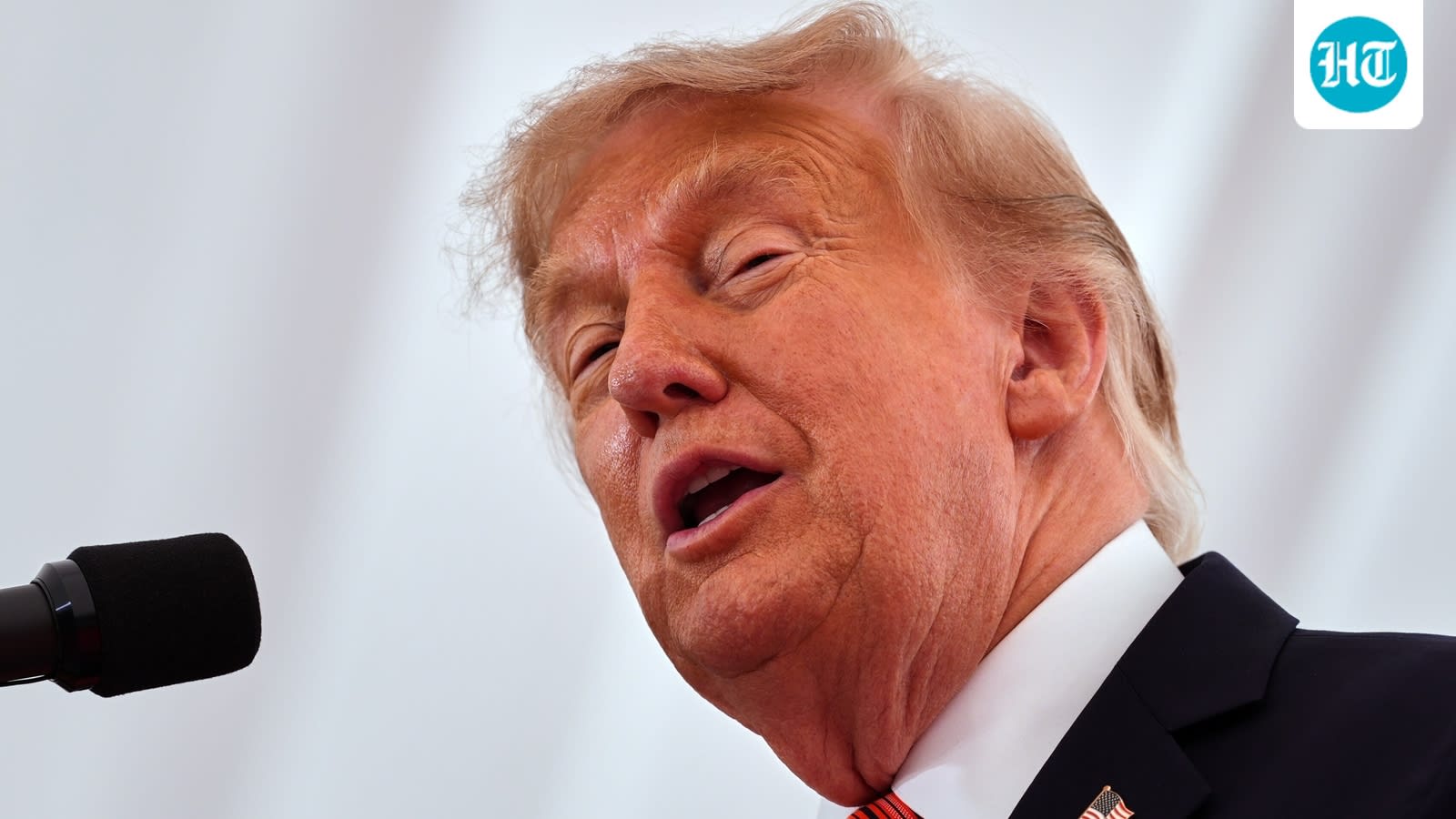
The Trump administration halted over 130 national park projects, freezing $25 million in congressionally approved funds. This decision impacts critical maintenance, wildfire prevention, and conservation efforts across major U.S. parks.
Analysis of the Suspension of National Park Funding
Recent reports indicate that the Trump administration implemented a freeze on more than 130 national park projects, effectively sidelining at least $25 million in allocated funding. This administrative action, revealed through internal documents, directly impacts some of the most iconic landscapes in the United States, including Yellowstone, Yosemite, Zion, and Joshua Tree. The decision to halt these projects, which had already secured congressional appropriations, raises significant questions regarding the intersection of federal oversight and the operational autonomy of the National Park Service.
The Mechanics of the Funding Freeze
While the funds in question were authorized by Congress, the release of these resources necessitated final approval from the Department of the Interior. By rejecting partnership agreements, the administration effectively created a bottleneck, preventing the transition from legislative approval to tangible on-the-ground execution. This highlights a critical tension in federal governance: the ability of executive agencies to delay or obstruct initiatives that have already received the necessary budgetary support from the legislative branch.
Impact on Conservation and Maintenance
The scope of the blocked projects is extensive, covering vital areas such as wildfire mitigation, habitat protection, and historic preservation. National parks face a perpetual struggle with deferred maintenance and environmental pressures; therefore, the abrupt cessation of these projects could exacerbate existing vulnerabilities. For instance, wildfire work is essential for the safety of both park visitors and the surrounding ecosystems, while habitat protection is critical to maintaining biodiversity in increasingly fragile environments.
Broader Implications for Public-Private Partnerships
Many of these projects rely on partnership agreements, which are a cornerstone of modern park management. These collaborations often involve non-profit organizations, private donors, and local stakeholders who contribute resources to augment federal efforts. By blocking these agreements, the administration has introduced uncertainty into a model that the National Park Service has long utilized to bridge the gap between limited federal budgets and the rising costs of infrastructure upkeep.
Historical Context and Future Trends
Historically, the National Park Service has navigated complex political landscapes, but the direct intervention in such a large volume of projects is notable. This event suggests a shift toward more centralized executive control over park-level initiatives. Moving forward, observers will likely monitor whether these projects are eventually released or if this freeze marks a more permanent change in how federal agencies interact with congressional appropriations and external partnership agreements in the context of public lands management.
Verification Required?