Amruta’s ‘Garba for all’ remark puts BJP in a bind as VHP insists on Muslim entry ban
Source Entity
Shubhangi Khapre
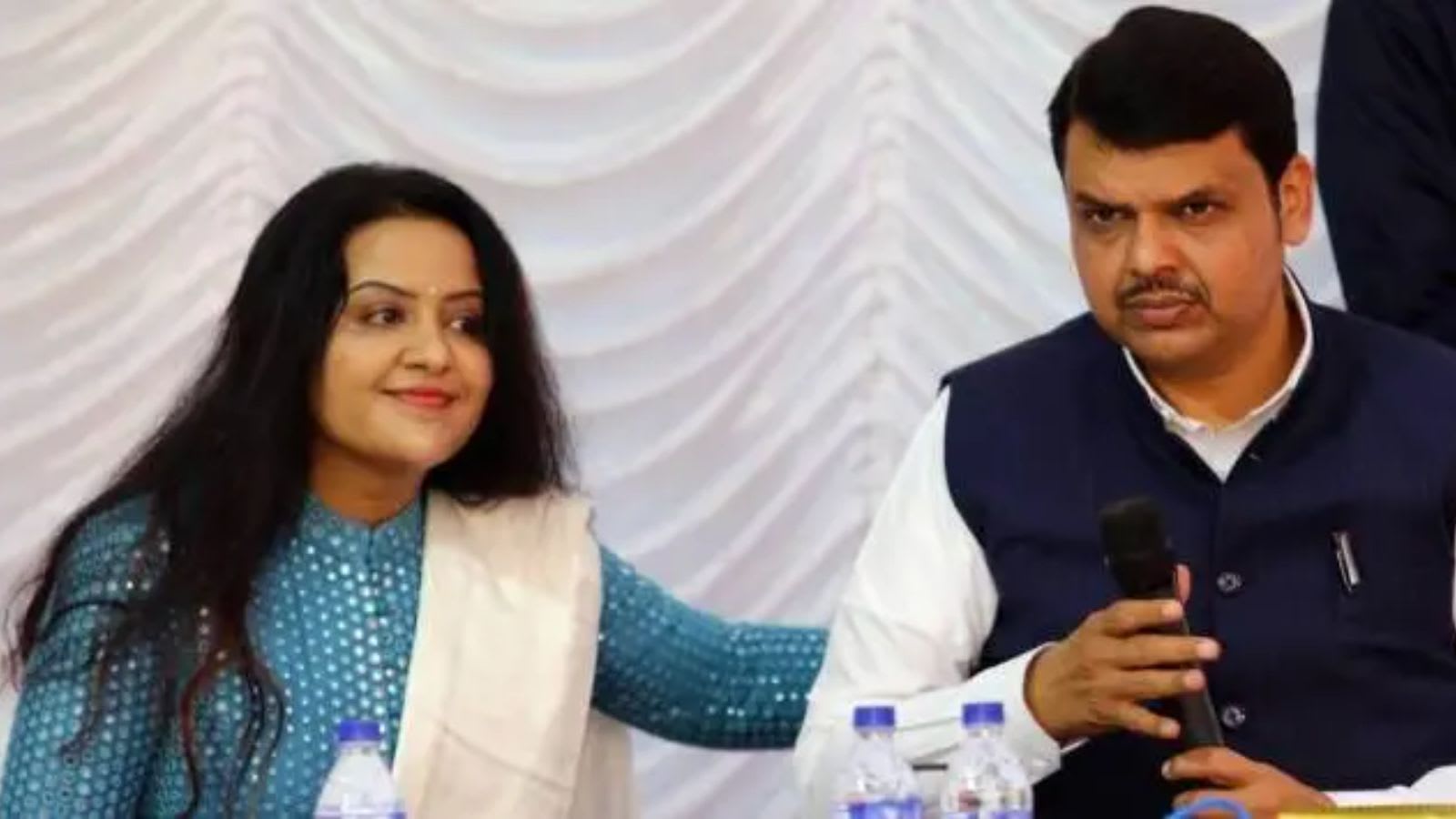
A rift has emerged within the Maharashtra political landscape as the VHP demands a ban on Muslim entry into Navratri events. While some BJP leaders support exclusionary measures, others like Amruta Fadnavis advocate for inclusivity, highlighting internal tensions.
Navratri Controversy: A Clash of Ideologies in Maharashtra
As the Navratri festival approaches on October 11, a significant ideological divide has emerged in Maharashtra regarding the inclusivity of Garba and Dandiya celebrations. The Vishva Hindu Parishad (VHP) has sparked a heated debate by demanding that organizers prohibit the entry of Muslims into these cultural venues. This call for exclusion is not merely a request but a push for active enforcement, with the VHP advocating for mandatory Aadhaar card verification to screen participants at the gates.
The VHP’s Stance and Exclusionary Tactics
The VHP’s strategy extends beyond simple entry bans. Organizers are being urged to ensure that every participant wears a red tilak, a traditional mark, to verify their Hindu identity. This systematic approach to policing cultural spaces is intended to transform religious and cultural celebrations into exclusionary environments. The support for this stance from Maharashtra Cabinet minister Nitesh Rane suggests that these ideas are gaining traction within certain segments of the state's political leadership, complicating the narrative for the ruling party.
The Internal BJP Faultline
The situation has placed the Bharatiya Janata Party (BJP) in a precarious position, creating a visible faultline between hardline proponents of these restrictions and those favoring a more inclusive cultural approach. Amruta Fadnavis, wife of Deputy Chief Minister Devendra Fadnavis, has publicly advocated for a 'Garba for all' sentiment. Her position stands in stark contrast to the VHP's demands, suggesting that there is significant disagreement within the broader Hindutva ecosystem regarding how public festivals should be managed in a diverse state like Maharashtra.
Broader Implications for Social Cohesion
This controversy underscores the increasing politicization of cultural festivals in India. What were once viewed as communal celebrations of tradition are now being utilized as platforms for identity politics and social boundary-setting. The insistence on Aadhaar verification and external markers of identity, such as the tilak, represents a shift toward more rigid, exclusionary social structures that could have long-term implications for communal harmony in Maharashtra.
Future Trends and Political Fallout
Moving forward, the BJP faces the complex challenge of balancing its core ideological base with the need to manage a diverse electorate. If the party continues to face internal friction regarding these cultural restrictions, it may struggle to present a unified front. The outcome of the upcoming Navratri celebrations will likely serve as a litmus test for how political parties navigate the intersection of religion, identity, and public space, potentially setting a precedent for future festivals across the country.