Govt. employee quitting to fight polls can’t seek reinstatement: Rajasthan High Court
Source Entity
India Latest News: Top National Headlines Today & Breaking News | The Hindu
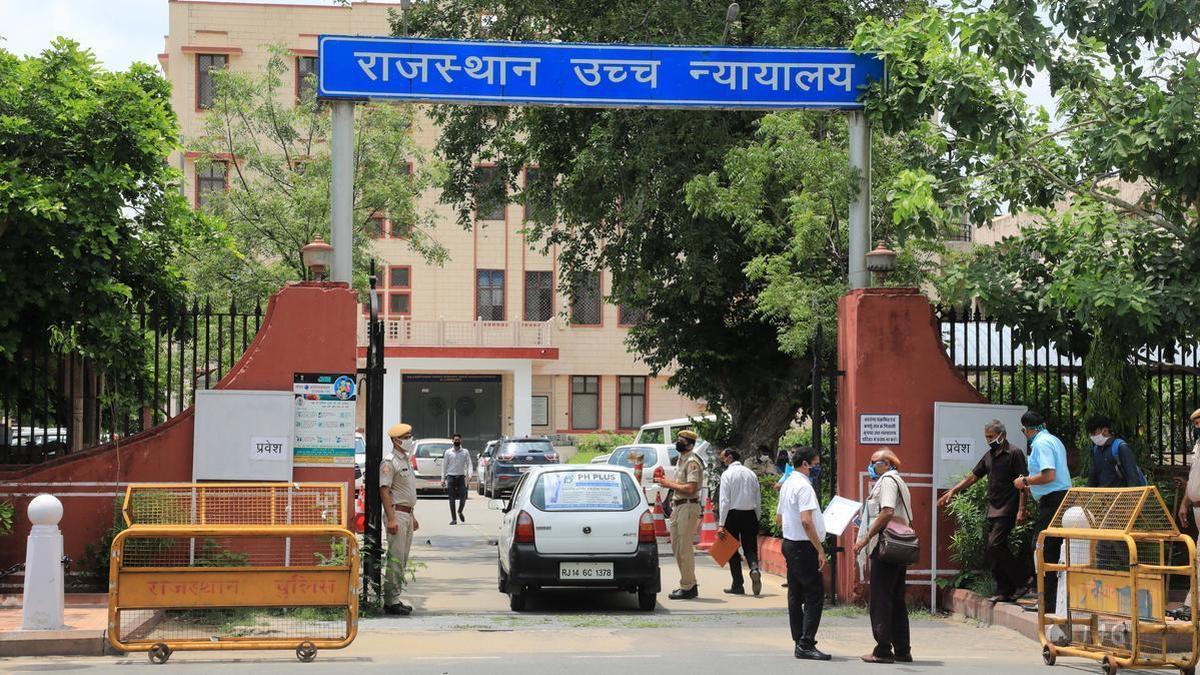
The Rajasthan High Court has ruled that government employees who resign to contest elections cannot seek reinstatement, even if they lose. The court emphasized that such actions violate the core principle of political neutrality required for civil servants.
Judicial Precedent on Civil Service Neutrality
The Rajasthan High Court has delivered a definitive ruling clarifying the legal boundaries for government employees seeking to transition into electoral politics. By dismissing a writ petition filed by a former senior auditor from the North Western Railway, the court has established that the resignation of a public servant for the purpose of contesting State Assembly elections is an irrevocable act under the Central Civil Services (CCS) Rules. This decision underscores the judiciary's commitment to maintaining the integrity and impartiality of the administrative machinery.
The Principle of Political Neutrality
At the heart of this legal dispute is the foundational requirement of political neutrality. The court explicitly upheld the findings of the Central Administrative Tribunal (CAT), Jaipur Bench, which determined that a government employee choosing to run as a political party's candidate inherently conflicts with the duty of neutrality. Civil servants are tasked with serving the state and the public interest without partisan bias; participating in an election as a candidate for a specific party creates a fundamental incompatibility with these professional obligations.
Irrevocability of Voluntary Resignation
Legal challenges involving the withdrawal of resignations often hinge on the concept of "material change in circumstances." However, the Division Bench, comprised of Justice Inderjeet Singh and Justice Sandeep Taneja, clarified that electoral defeat does not qualify as a valid ground for reinstatement. By ruling that a loss at the polls is not a compelling reason to void an accepted resignation, the court has signaled that civil servants must treat the decision to enter politics as a permanent career pivot rather than a reversible experiment.
Broader Implications for Governance
This ruling serves as a significant deterrent for public employees who might consider leveraging their government positions for political gain. By strictly interpreting the CCS Rules, the court ensures that the administrative apparatus remains insulated from the volatility of electoral politics. It effectively prevents a scenario where employees could treat their tenure as a 'fallback' option, reinforcing the professional standard that public service requires total commitment to non-partisan administration.
Historical Context and Future Trends
Historically, the balance between individual rights and public service regulations has been a subject of intense judicial scrutiny. This judgment aligns with long-standing precedents that prioritize the efficacy of government institutions over the personal career shifts of individual employees. Moving forward, this ruling will likely serve as a benchmark for similar cases across India, providing clear guidance to both tribunals and lower courts that the sanctity of resignation procedures must be upheld to protect the apolitical nature of the civil service.
Verification Required?