'Threat to US sovereignty': Why Trump wants to 'dismantle' International Criminal Court
Source Entity
TOI WORLD DESK
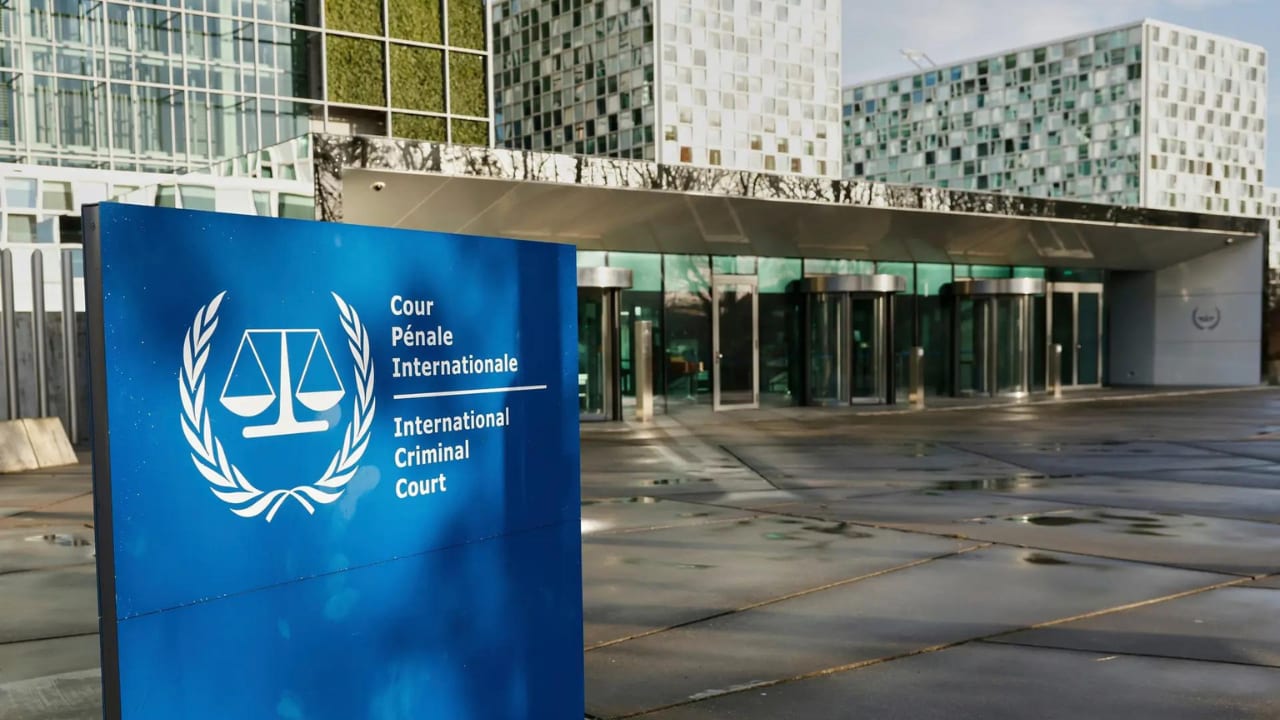
The Trump administration initiated a campaign against the International Criminal Court. This action targets the court's authority over American officials and military personnel. The United States argues the court threatens national sovereignty and self-governance. Diplomatic efforts and potential sanctions will be employed to disable the court. This move aims to protect American citizens from international prosecution.
The Clash of Sovereignty: Analyzing the U.S. Campaign Against the ICC
The Trump administration's assertive campaign to dismantle the International Criminal Court (ICC) represents a fundamental clash between the philosophy of national sovereignty and the framework of international judicial oversight. At its core, the movement is driven by the belief that no international body should have the authority to prosecute citizens of a sovereign state, particularly those serving in official military or government capacities. By targeting the ICC's authority, the administration is not merely engaging in a legal dispute but is signaling a broader shift toward a 'nation-first' approach to global governance, where domestic law takes absolute precedence over international treaties.
The Legal Friction: The Rome Statute and U.S. Non-Signatory Status
To understand this conflict, one must look at the historical context of the Rome Statute, the treaty that established the ICC. The United States is not a party to the Rome Statute, meaning it has never formally ratified the treaty. Despite this, the ICC claims jurisdiction over crimes committed on the territory of member states or by nationals of member states. The Trump administration views this 'extraterritorial' reach as a direct violation of U.S. sovereignty. The concern is that the court could be used as a political tool by adversarial nations to target American personnel, leading to what the administration describes as 'politically motivated' prosecutions that undermine the U.S. government's ability to conduct foreign policy and military operations.
Protecting the Frontline: Military and Official Immunity
A central pillar of this campaign is the protection of American military personnel and intelligence officials. The administration argues that soldiers operating in high-conflict zones are susceptible to legal challenges that do not account for the complexities of modern warfare or the specific mandates provided by the U.S. executive branch. Historically, the U.S. has a precedent for this stance, seen in previous legislative efforts like the American Service-Members' Protection Act. By seeking to disable the ICC, the current administration aims to ensure that the only entity with the legitimate authority to discipline or prosecute American service members is the U.S. military justice system, thereby removing the risk of international legal interference.
Diplomatic Leverage and the Use of Sanctions
The strategy to neutralize the ICC involves a combination of diplomatic pressure and aggressive economic sanctions. By employing sanctions against ICC officials, the administration seeks to create a high cost for any attempt by the court to investigate U.S. actions. This approach transforms a legal disagreement into a geopolitical struggle, utilizing the economic might of the United States to coerce the court into limiting its scope. Such measures are intended to serve as a deterrent, sending a clear message that any judicial overreach into American affairs will be met with severe financial and diplomatic repercussions.
Broader Implications for International Law
The push to dismantle the ICC has profound implications for the global rule of law. Critics argue that by exempting itself from international scrutiny, the U.S. undermines the very principles of accountability and human rights it often promotes globally. This creates a perceived 'double standard' where the U.S. supports the prosecution of war crimes in other nations while shielding its own citizens from similar processes. This tension risks eroding the legitimacy of international institutions and may encourage other powerful nations to similarly reject international legal norms, potentially leading to a more fragmented and lawless global order.
Future Trends: The Path Toward Judicial Isolation
Looking forward, the trajectory of this campaign suggests a trend toward increased judicial isolationism. If the administration succeeds in significantly weakening the ICC, it may pave the way for other non-signatory nations to adopt similar defensive postures. We can expect continued friction between the U.S. and the European Union, as many EU members are staunch supporters of the ICC. The future of international criminal justice will likely depend on whether a middle ground can be found—perhaps through bilateral immunity agreements—or if the U.S. will continue to move toward a total decoupling from the ICC's jurisdiction.
Summary
In conclusion, the Trump administration's effort to dismantle the International Criminal Court is a strategic move to safeguard national sovereignty and protect American officials from foreign legal reach. While framed as a defense of self-governance, the move challenges the viability of global judicial institutions and highlights a deepening divide between nationalist policy and internationalist legal frameworks.