Trump’s 100% tariff on drones will be disaster for the US, critics warn
Source Entity
Ashley Belanger
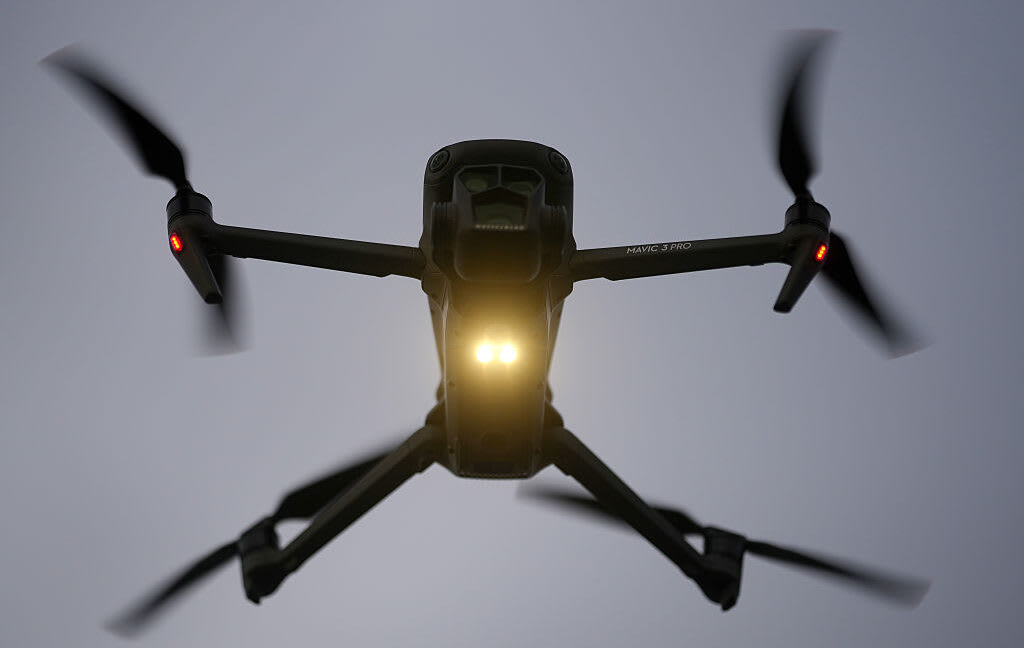
The Trump administration has implemented new, steep tariffs on imported drones, with some rates reaching 100 percent. Critics warn this move could stifle US business operations and create significant challenges for public safety sectors that rely on affordable drone technology.
The Impact of New Drone Tariffs on the US Market
On Thursday, the Trump administration enacted a significant shift in trade policy by imposing a 100 percent tariff on specific categories of foreign-made drones. This aggressive protectionist measure, detailed in guidance from U.S. Customs and Border Protection, targets drones equipped with thermal imaging technology or those weighing in excess of 55 pounds. By effectively doubling the cost of these critical tools, the administration has signaled a pivot toward domestic manufacturing, yet the immediate reaction from the business community suggests that the transition may be fraught with economic turbulence.
Broad Economic Consequences for Businesses
The ripple effects of these tariffs are expected to be felt across thousands of American businesses that rely on drone technology for day-to-day operations. From agriculture and surveying to infrastructure inspection and cinematography, many US firms have built their workflows around the availability of cost-effective, high-performance hardware. With no immediate, comparable low-cost domestic alternatives available, these companies now face the difficult choice of absorbing massive price hikes or stalling their operational growth, potentially leading to a contraction in the commercial drone services sector.
Public Safety and Infrastructure Concerns
Beyond the commercial impact, experts are sounding the alarm regarding public safety. Drones utilizing thermal imaging are essential tools for search-and-rescue operations, wildfire monitoring, and disaster response. By placing a 100 percent levy on these specific imports, the policy may inadvertently hinder the ability of local municipalities and first responders to procure necessary equipment. The inability to deploy affordable aerial surveillance could compromise safety outcomes in high-stakes environments where time and resource availability are critical factors.
Global Trade and Geopolitical Implications
The policy does not stop at high-end professional drones; it also introduces a 25 percent tariff on smaller, consumer-grade drones. Furthermore, the administration has moved to tax products from key US allies. This includes a 10 percent levy on British-made drones and 15 percent charges on imports from the European Union, Japan, South Korea, Taiwan, Switzerland, and Liechtenstein. This move complicates existing trade relationships, potentially inviting retaliatory measures from partners who have long been integrated into the US supply chain for high-tech components.
Future Trends and Market Outlook
Looking ahead, the drone industry in the United States faces a period of forced localization. While the intent of these tariffs is presumably to incentivize domestic production, the lead time required to build a competitive, large-scale manufacturing base is substantial. In the interim, the market will likely experience a supply crunch and inflated pricing. Future trends will likely depend on whether the administration provides exemptions for essential public services or if the industry can pivot to domestic component sourcing at a pace that keeps pace with the sudden regulatory shift.
Conclusion
The imposition of these tariffs marks a decisive moment in the evolution of the US drone market. While the administration seeks to bolster domestic interests through these trade barriers, the immediate reality is one of alarm among stakeholders. The combination of high costs for professional equipment and the taxation of allied imports suggests that the transition to a more localized drone economy will be a complex process with significant short-term risks for public safety and business viability.