Trump set to hit India, China, 14 others with new tariffs after probe
Source Entity
TNN
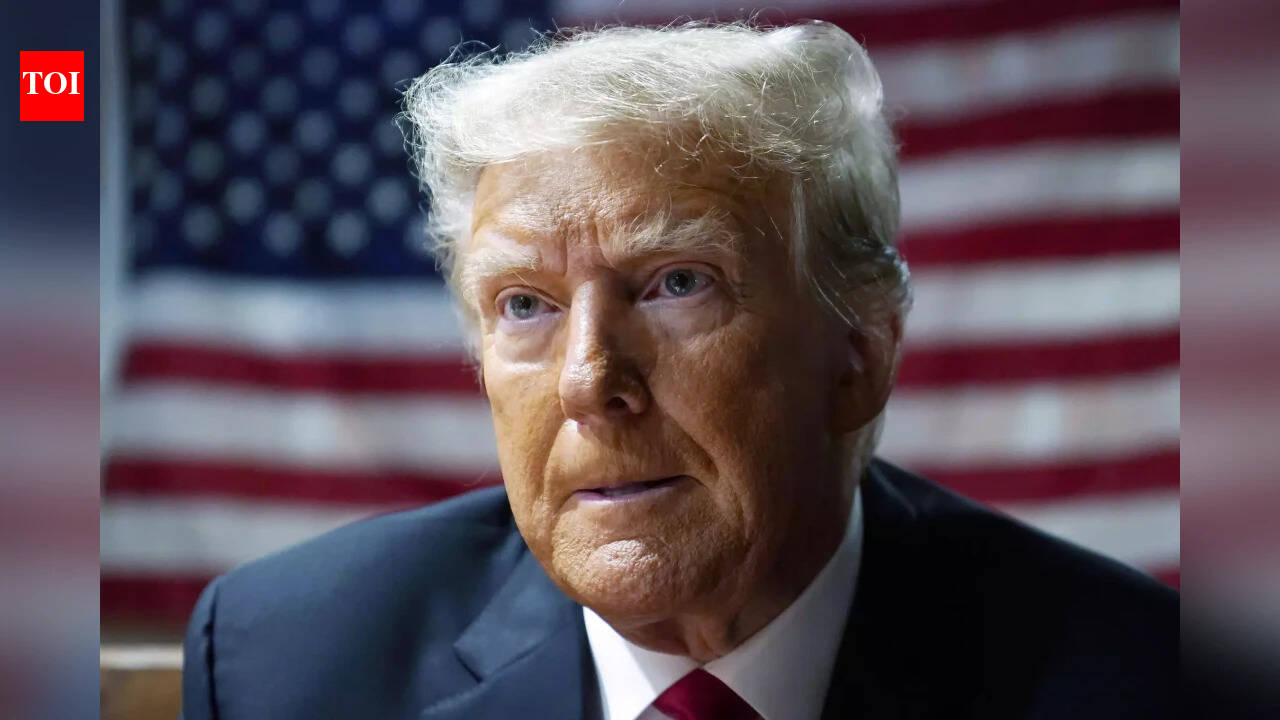
The US is set to impose new tariffs on 16 nations, including India and China, following a Section 301 investigation into excess industrial capacity. The move marks a renewed effort by the Trump administration to utilize trade levies as a primary tool for domestic economic policy.
The Resurgence of Protectionist Trade Policy
The Trump administration is poised to unveil the findings of a comprehensive Section 301 investigation, signaling a significant escalation in global trade tensions. This probe, which evaluated excess industrial capacity across 16 jurisdictions—including major economies like India, China, and the European Union—serves as the foundation for a new wave of proposed tariffs. By targeting countries perceived to be flooding the global market with subsidized goods, the administration aims to reshape the international trade landscape in favor of domestic manufacturing interests.
Legal Context and the Pivot to Section 301
This policy shift follows a high-profile legal setback for the White House. Previously, the US Supreme Court ruled that the administration’s use of emergency powers to implement “reciprocal tariffs” was unlawful. In response, the administration pivoted to the Section 301 investigation framework, a traditional trade enforcement tool, to legitimize its protectionist agenda. This shift demonstrates a strategic adaptation, ensuring that new levies are grounded in an investigative process that seeks to bypass the judiciary's previous objections to executive overreach.
The Indian Perspective: Demand vs. Subsidy
India remains at the center of this geopolitical friction. While US officials argue that excess industrial capacity is a byproduct of state-led distortions, Indian officials maintain a firm stance: current production levels are a direct response to projected long-term domestic and international demand, rather than the result of state-sponsored subsidies. This fundamental disagreement highlights the difficulty in defining “fair” industrial policy in a globalized economy, as nations prioritize domestic growth while the US seeks to protect its own industrial base.
Global Economic Implications
Beyond India, the inclusion of the European Union, Mexico, and Japan in this probe underscores the sweeping nature of the administration's trade philosophy. Since the President's return to the White House in early 2025 and the subsequent announcement of sweeping tariffs, global trading partners have been on high alert. These new measures are designed to act as a catalyst for re-shoring manufacturing jobs, a signature component of the administration's economic platform, though they risk triggering retaliatory measures that could destabilize global supply chains.
Future Trends and Market Uncertainty
As the USTR prepares to finalize these tariff proposals, uncertainty remains the defining characteristic of the international market. Because the final tariff rates are currently undisclosed, businesses and governments are left in a state of reactive anticipation. Moving forward, the effectiveness of these tariffs will likely be measured by their impact on US domestic manufacturing versus the potential for inflationary pressures and diplomatic fallout. The world is watching to see whether this aggressive trade posture will force structural concessions from trading partners or lead to a protracted era of global economic fragmentation.
Multiple Citing Sources