Trump set to unveil new set of tariffs on India, China, EU, 13 other trade partners
Source Entity
The Indian Express
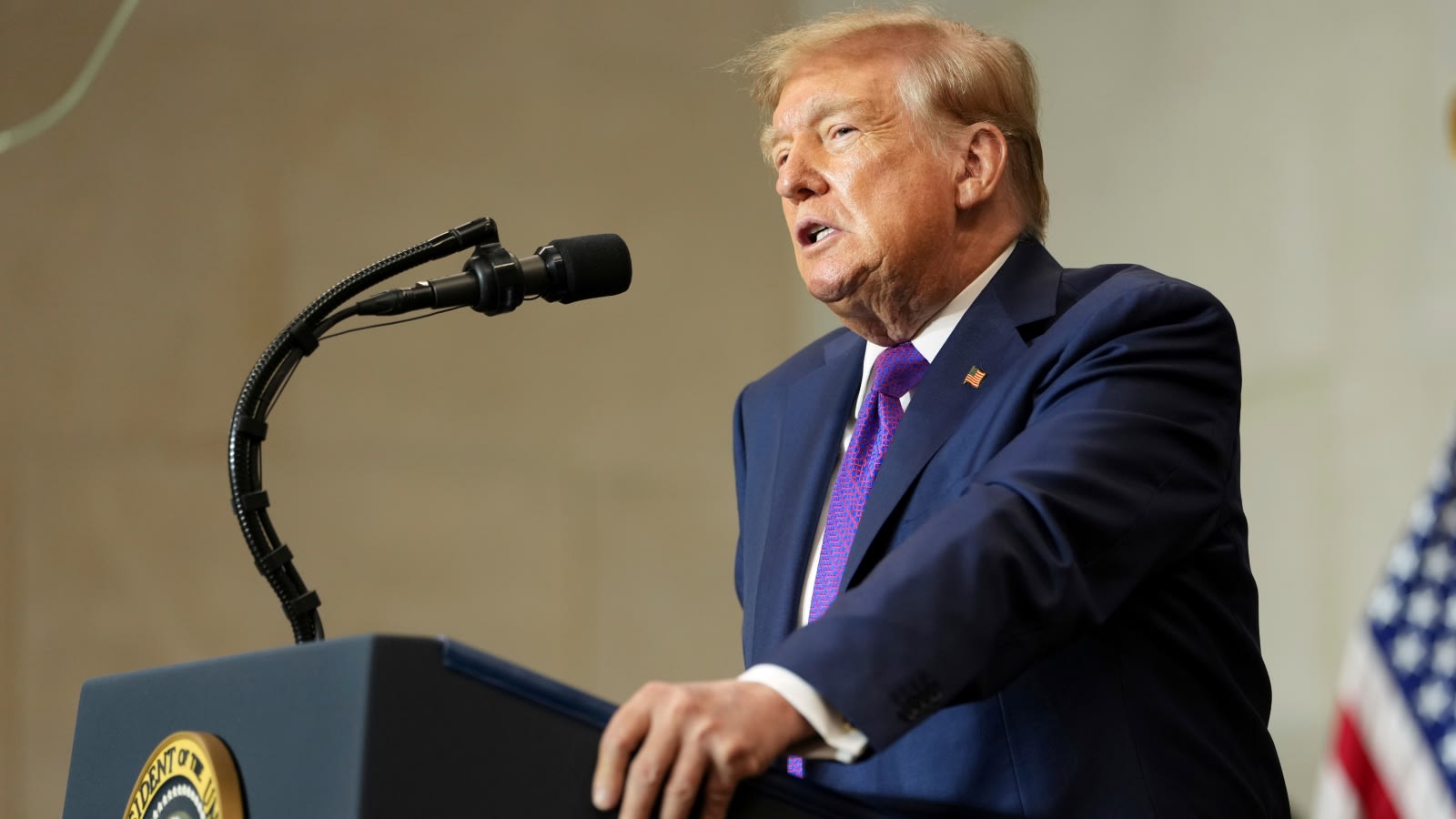
The Trump administration is preparing to impose new tariffs on 16 major trading partners, including India, China, and the EU, following a Section 301 investigation into excess industrial capacity. These measures aim to replace previous tariffs struck down by the Supreme Court and underscore a continued commitment to protectionist trade policies.
The Resurgence of Protectionism: US Trade Policy Shifts
The Trump administration is set to initiate a significant shift in its international trade strategy, with reports confirming that the Office of the United States Trade Representative (USTR) will imminently release findings from a Section 301 investigation. This probe, which has been ongoing for eight months, targets 16 major trading partners, including India, China, and the European Union, specifically addressing concerns over alleged excess industrial capacity.
The Legal Framework: Section 301 and Judicial Hurdles
This move follows a pivotal legal setback earlier this year, when the US Supreme Court ruled that the administration’s previous "Liberation Day" tariffs, enacted via emergency powers, were illegal. In response, the administration pivoted to Section 301 of the Trade Act of 1974. This legal mechanism allows the US to investigate and retaliate against foreign trade practices that are deemed unjustifiable or unreasonable. By utilizing this statute, the administration is attempting to formalize its trade barriers to withstand further judicial scrutiny.
Targeting Excess Industrial Capacity
The core of the administration's argument rests on the claim that these 16 nations are flooding the global market with goods due to state-supported excess industrial capacity. The US government contends that this practice harms domestic manufacturers and threatens American jobs. However, nations like India have pushed back, asserting that their industrial output is a response to legitimate projected demand rather than the result of state-driven subsidies designed to undercut global competition.
Global and Economic Implications
The imposition of these duties is expected to have a profound impact on the global supply chain. By stacking new levies on top of existing tariffs, the administration is doubling down on a protectionist agenda that has already contributed to inflationary pressures and higher prices for American consumers. As these new duties are unveiled, international markets are bracing for volatility, with many of America's largest trading partners preparing to evaluate their own response strategies.
Diplomatic Tension and Future Trends
For countries like India, the situation is delicate. Officials are maintaining a close watch on the USTR findings, balancing the need for robust diplomatic engagement with the US while defending their domestic industrial policies. The broader trend suggests that the US is moving toward a more isolated economic stance, prioritizing domestic manufacturing incentives over the multilateral trade cooperation that defined previous decades. As these tariffs move from proposal to implementation, the international community will be watching to see if this marks a permanent shift in US trade relations or a temporary period of friction.