US prepares sweeping sanctions on International Criminal Court
Source Entity
TRISHA MAHAJAN
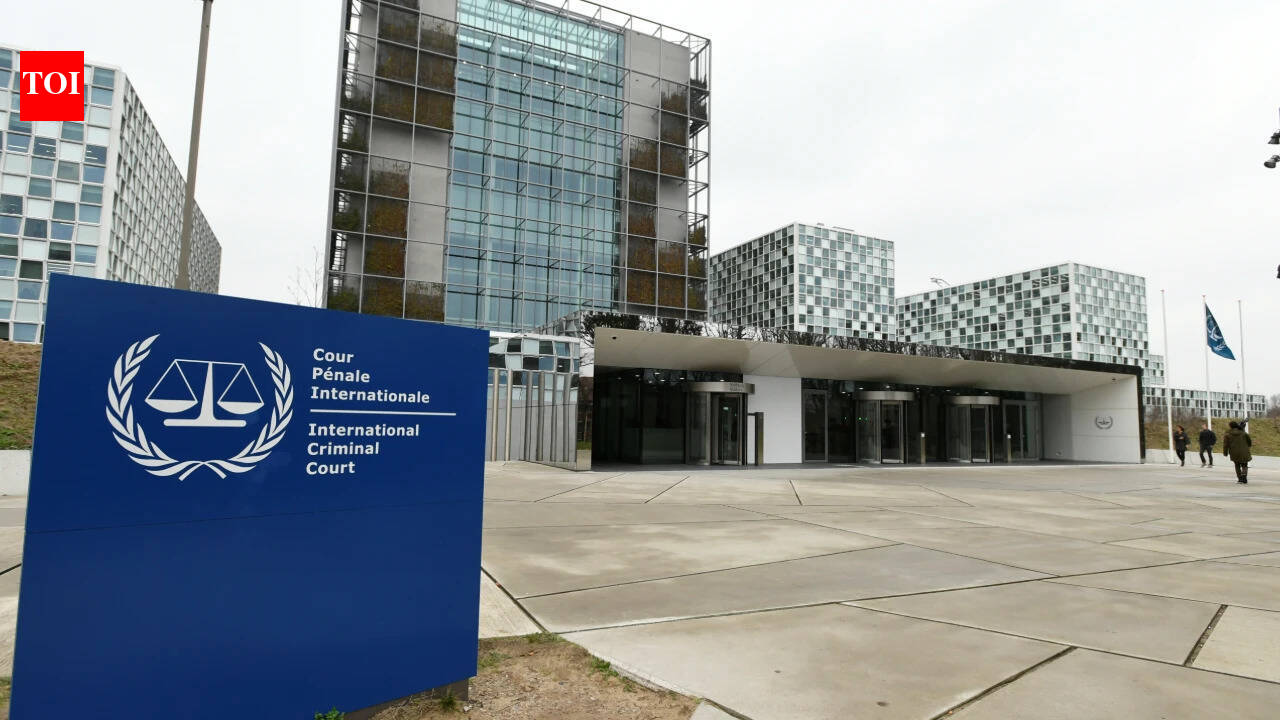
The Trump administration is reportedly planning aggressive sanctions against the International Criminal Court to restrict its financial access. These measures aim to protect U.S. sovereignty by cutting the tribunal off from the global banking system and dollar-based transactions.
The Impending Financial Siege on the ICC
The Trump administration is reportedly preparing a comprehensive sanctions package aimed at the International Criminal Court (ICC), signaling a significant escalation in tensions between Washington and the Hague-based tribunal. According to reports, these measures are designed to restrict the court’s ability to engage in financial transactions, effectively isolating it from much of the global banking system. By targeting the financial infrastructure of an international judicial body, the administration seeks to exert maximum pressure on an organization it views as an overreaching entity.
Targeting the Global Financial Lifeline
The core of the proposed sanctions revolves around the restriction of transactions conducted in U.S. dollars. Given the dominance of the dollar in international finance, stripping the ICC of its ability to utilize this currency would severely hamper its operational capacity. Reports indicate a potential six- to seven-month grace period before these measures fully take effect, allowing for a strategic window of implementation. While certain exemptions for communication services are expected, the broader impact would likely force the court to seek alternative, potentially less efficient, financial pathways.
Sovereignty and Ideological Opposition
This aggressive stance is deeply rooted in the administration's stated commitment to defending U.S. sovereignty. Secretary of State Marco Rubio has been a vocal proponent of the view that the ICC poses a fundamental threat to American interests. By framing the court’s activities as an infringement on national authority, the administration justifies its intent to dismantle or severely curtail the influence of the tribunal. This ideological divide highlights a long-standing friction between international judicial mandates and the constitutional autonomy of individual nations.
Historical Context and Diplomatic Fallout
The relationship between the United States and the ICC has been historically fraught, characterized by a refusal to join the Rome Statute and a consistent skepticism regarding the court's jurisdiction over non-member state citizens. These new sanctions represent a hardening of that position, moving from diplomatic criticism to active financial obstruction. Such a move is likely to alienate allies who support the ICC’s mission of prosecuting war crimes and crimes against humanity, potentially creating a deeper rift within the international community.
Future Trends and Global Implications
If implemented, these sanctions could set a precedent for how the United States interacts with international institutions that it perceives as hostile. The move suggests a future where economic warfare is increasingly used as a tool to check the influence of international bodies. Experts anticipate that this could lead to a fragmented global judicial system, where the ICC struggles to maintain its legitimacy and financial independence while facing systemic barriers erected by the world's primary financial power. The coming months will likely see intense diplomatic maneuvering as the international community assesses the feasibility and consequences of these restrictions.