How Trump’s latest tariff moves hand India an edge over rival Asian exporters
Source Entity
US Top News and Analysis
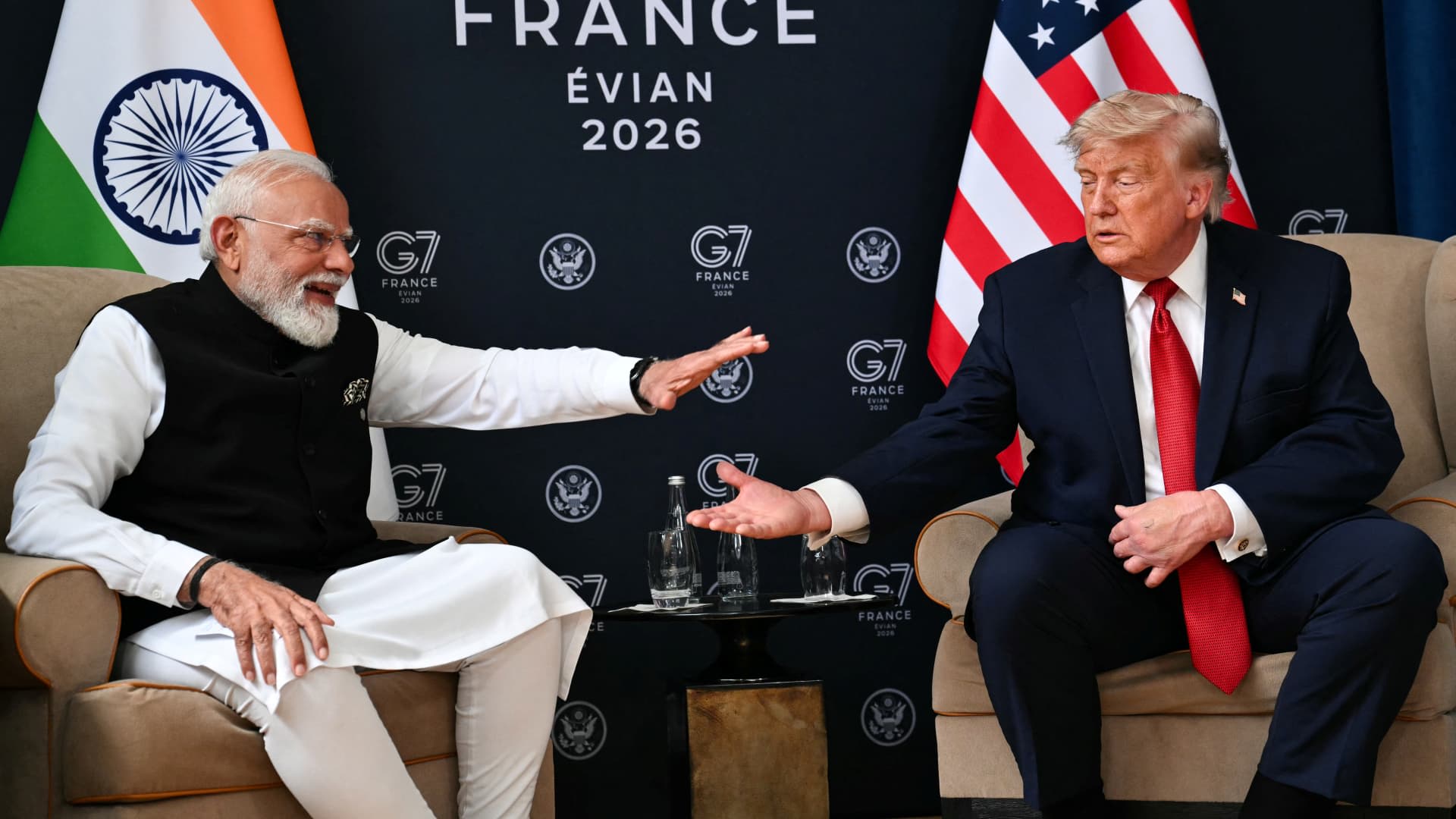
The Trump administration is preparing new tariffs on 16 trading partners, including China, the EU, and India, to address alleged excess industrial capacity. These measures follow recent legal challenges and aim to protect American manufacturing despite potential inflationary impacts.
Escalation in Trade Policy: The New Tariff Strategy
The Trump administration is reportedly preparing to announce a new series of tariffs targeting 16 major global trading partners, including China, the European Union, India, and Japan. This move, driven by an investigation under Section 301 of the Trade Act of 1974, is intended to combat what the administration characterizes as structural excess industrial capacity. By targeting these nations, the U.S. government seeks to mitigate the perceived burden that foreign manufacturing surpluses place on American commerce.
The Legal and Economic Context
This policy shift comes at a critical juncture, following the U.S. Supreme Court’s decision in February to strike down previous global import taxes. The administration is now moving to replace those invalidated measures with new duties that specifically address industrial imbalances. However, this strategy faces significant scrutiny due to the historical correlation between such protectionist policies and rising costs for American consumers, who have already experienced inflationary pressures from previous rounds of tariffs.
Navigating the U.S.-China Trade Truce
Central to this development is the ongoing economic friction with China, which is projected to reach a record trade surplus exceeding $1 trillion in 2026. While the administration plans to impose new levies, reports suggest these will remain within the parameters of the existing truce between President Trump and President Xi Jinping. This delicate balance highlights the administration's attempt to exert pressure without triggering an all-out trade war that could collapse fragile diplomatic frameworks.
Domestic Political Resilience
Despite significant losses by the Republican Party in recent midterm elections, the administration appears undeterred in its protectionist agenda. By doubling down on these levies, the White House is signaling a commitment to its 'America First' economic platform, prioritizing domestic manufacturing interests over the potential for increased global trade tensions. This approach suggests that the administration is prioritizing its base's economic concerns over the potential for international diplomatic friction.
Broader Implications and Future Trends
Looking ahead, the imposition of these tariffs marks a persistent shift toward managed trade rather than free-market engagement. As the U.S. notifies its trading partners of these actions, the global supply chain will likely face further volatility. If these measures lead to retaliatory actions or further legal challenges, the U.S. economy may face a period of heightened uncertainty, particularly regarding the cost of imported goods and the stability of long-standing international trade alliances.
Multiple Citing Sources