Trump declares 100 percent tariffs on many drones and all aircraft parts
Source Entity
Sean Hollister
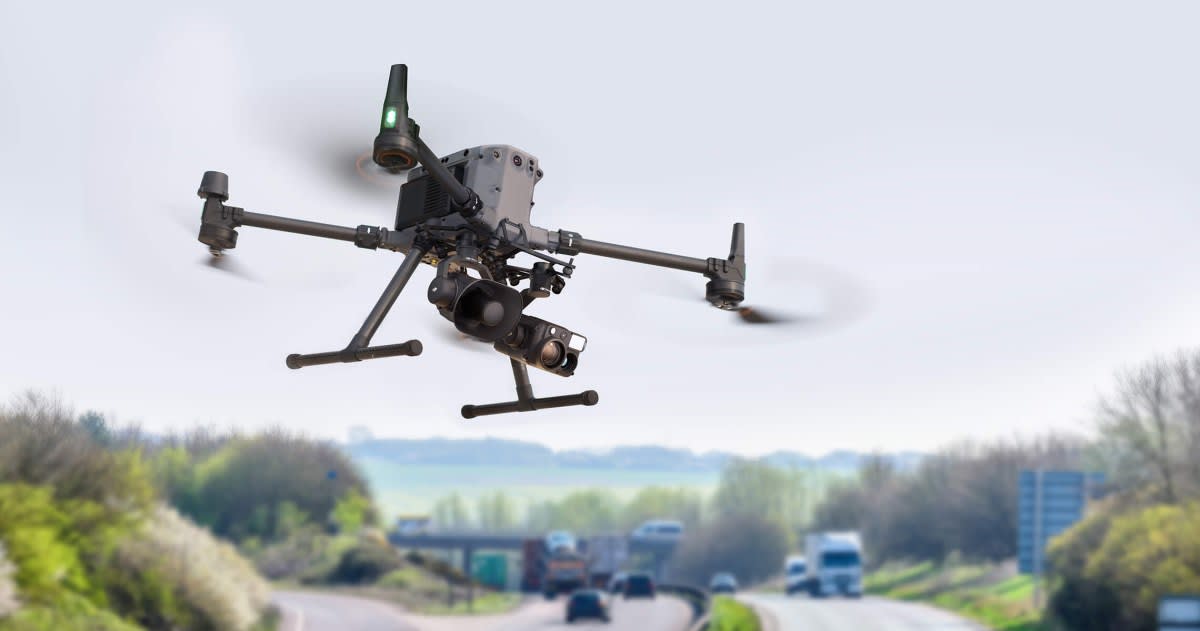
President Donald Trump has announced 100% tariffs on imported drones and components to curb reliance on Chinese manufacturers like DJI. The move aims to bolster domestic production and address national security concerns regarding the US defense industrial base.
The Strategic Shift in US Drone Policy
President Donald Trump has initiated a significant escalation in trade policy by announcing tariffs of up to 100% on imported drones and their associated components. This aggressive fiscal measure is primarily aimed at curbing the influence of China-based manufacturers, most notably Shenzhen-based DJI Technologies, which as of last year, commanded approximately 70% of the United States commercial drone market. By imposing such a prohibitive financial barrier, the administration is signaling a decisive move to decouple the American drone market from foreign reliance.
National Security and Industrial Sovereignty
The White House has officially justified this policy shift through the lens of national security, arguing that the heavy reliance on foreign-made unmanned aerial systems poses a risk to the United States' defense and defense-adjacent industrial base. By making imported drones and aircraft parts prohibitively expensive, the government intends to force a restructuring of the supply chain. This is not merely a trade dispute; it is a calculated effort to ensure that the technology powering critical surveillance and aerial infrastructure is produced within American borders, thereby mitigating potential intelligence or operational vulnerabilities.
Impact on the Existing Market Landscape
The reach of this presidential action extends beyond future imports, as it specifically targets existing drone imports, including those equipped with thermal cameras and units weighing over 25kg. This expansion of policy follows previous regulatory measures that restricted foreign routers, robots, and various smart home devices from entering the US market. By targeting both the finished products and the underlying components, the administration is creating a high-pressure environment designed to compel domestic manufacturers to rapidly scale their operations and fill the void left by restricted Chinese imports.
The Goal of Domestic Industrial Revitalization
A central pillar of the administration's stated strategy is the encouragement of increased domestic production. The economic rationale suggests that by artificially inflating the cost of foreign competitors, domestic companies will find a more favorable environment to invest in research, development, and manufacturing. The administration hopes that this protectionist stance will catalyze a resurgence in the US drone industry, effectively transitioning the sector from an import-heavy model to one characterized by domestic self-sufficiency.
Broader Implications and Future Trends
Looking forward, this policy sets a precedent for how the US may handle other sectors dominated by foreign technology. If successful in stimulating domestic output without causing irreparable harm to industries that rely on these drones—such as agriculture, search and rescue, and cinematography—it could serve as a template for future industrial policy. However, the immediate challenge remains the transition period, where the sudden 100% tariff could significantly disrupt operations for businesses currently dependent on the ubiquitous DJI ecosystem. The long-term success of this initiative will ultimately depend on whether the US domestic industrial base can bridge the gap in production capacity and technological parity in a timely manner.