Analysis: Why Punjab's Farmer Leaders Fail At Electoral Politics
Source Entity
NDTV News Search Records Found 1000
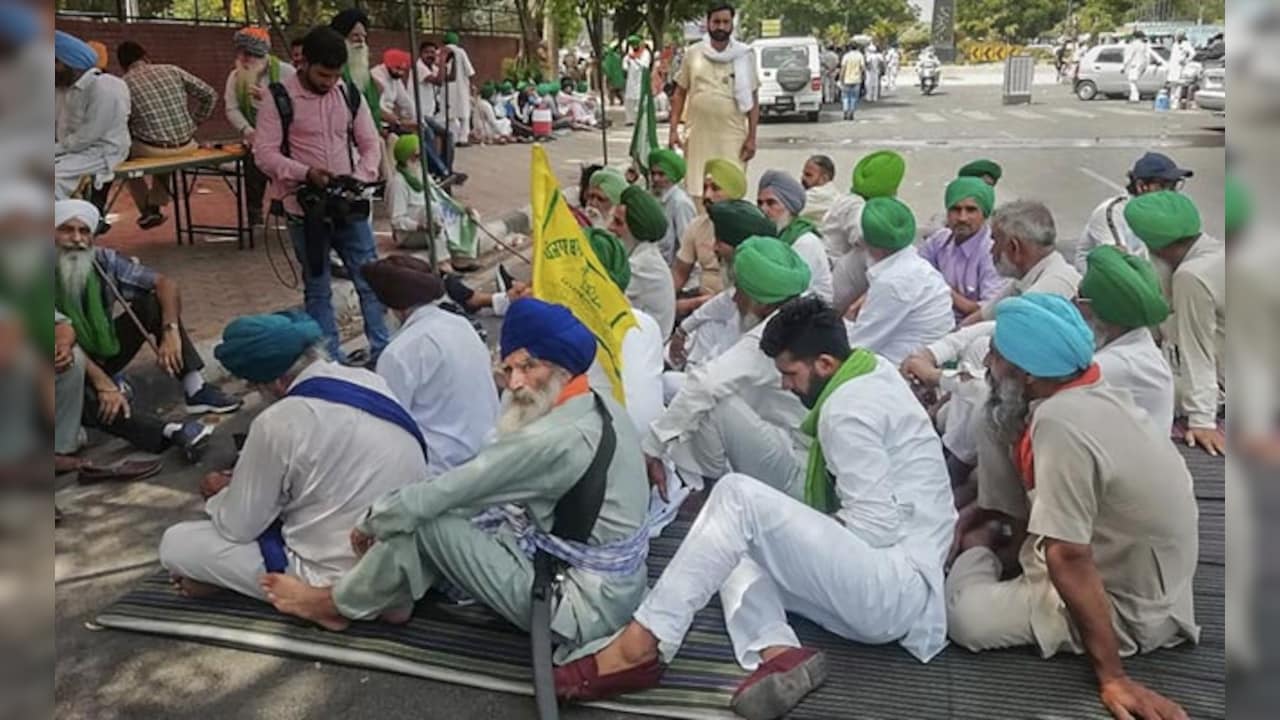
The electoral struggles of Punjab's farmer leaders stem from a disconnect between protest-based movements and formal political structures. Despite robust international support, these groups have found it difficult to translate grassroots agitation into sustained ballot-box success.
The Dilemma of Punjab’s Farmer Movements in Electoral Politics
The recent political landscape in Punjab has been marked by a profound disconnect between the success of organized protest movements and the practical realities of electoral competition. While farmer leaders have proven remarkably adept at mobilizing large-scale public demonstrations, their transition into formal political candidates has been fraught with challenges. The historical strength of these groups lies in their ability to articulate specific grievances, yet this singular focus often fails to address the multifaceted policy requirements expected of a governing body.
The Role of International Mobilization
A critical factor in the longevity of the recent agricultural agitations in Punjab was the unprecedented level of support from the Punjabi diaspora. By successfully capturing the attention of Punjabis living abroad, these movements secured a lifeline of logistical and financial resources. This influx of external support was instrumental in fueling the agitation for one-and-half years, allowing the movement to sustain momentum through periods of intense government resistance that might otherwise have collapsed under local fiscal constraints.
From Protest to Policy: The Structural Gap
However, the very mechanisms that ensure the success of a long-term protest—such as centralized leadership, specific policy demands, and high-intensity public engagement—do not always map onto the needs of a political party. Electoral politics requires building broad-based coalitions that extend beyond the specific agricultural demographics that formed the core of the protest movement. The inability to pivot from an 'agitation mode' to a 'governance mode' has left many of these leaders struggling to articulate a vision that appeals to urban voters and other stakeholders outside the farming community.
The Challenge of Political Sustainability
The reliance on diaspora-driven financial and logistical support created a unique ecosystem for the protest, but it also introduced a degree of insulation from the local political reality. When these leaders transitioned to the ballot box, they found that the intensity of support from abroad did not necessarily equate to local voter turnout. The complexities of state-level politics, involving caste dynamics, regional economic grievances, and historical party allegiances, often override the singular issue-based platforms that farmer leaders champion.
Future Trends and Outlook
Looking ahead, the future of farmer-led political initiatives in Punjab will likely depend on whether these groups can evolve into more traditional political entities. If they continue to rely on the tactics of long-term agitations, they risk remaining peripheral players. To succeed, they must integrate their specific agricultural agenda into a wider economic and social manifesto. The transition from being a pressure group to a governing party remains the most significant hurdle for these leaders, and their future electoral prospects will depend on their ability to build a sustainable, indigenous political infrastructure that survives beyond the duration of a single protest cycle.
Verification Required?