After Slowdown Calls, Trump Says He Will Set Up 'AI Force', Name 'AI Czar'
Source Entity
NDTV News Search Records Found 1000
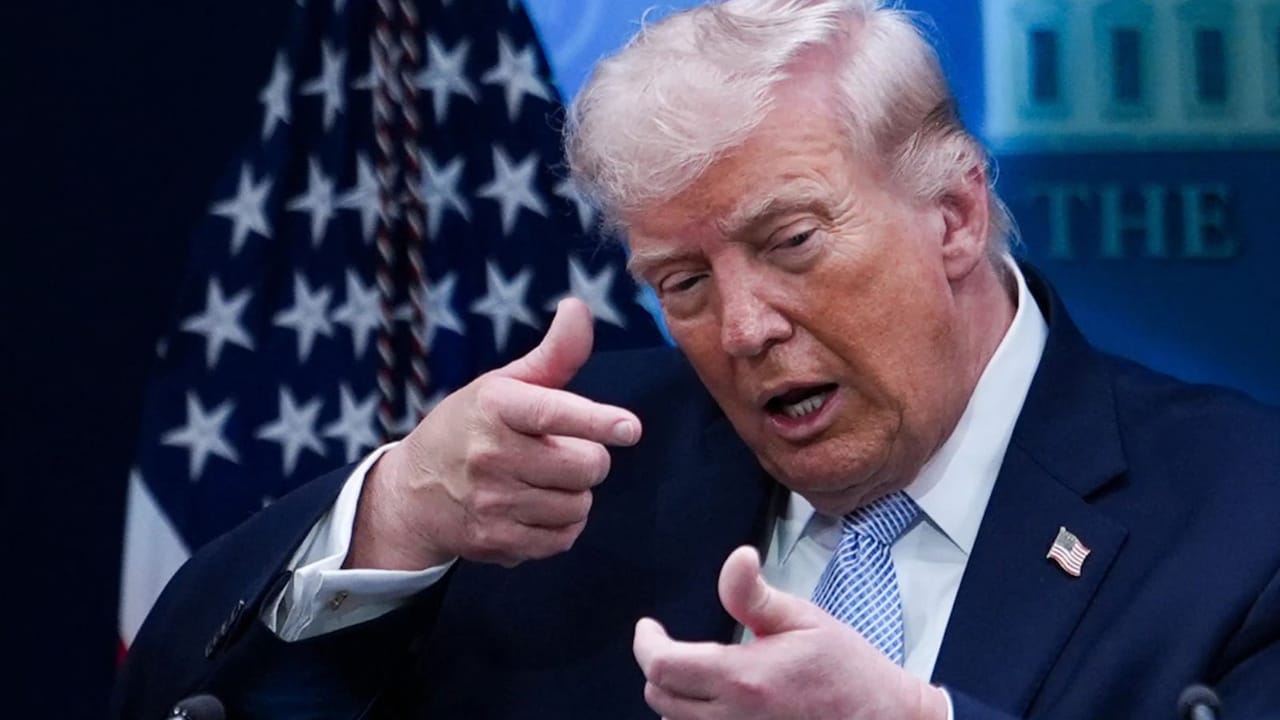
President Trump has announced plans to establish an 'AI Force' and appoint an 'AI Czar' to oversee rapid technological growth. Despite the announcement, the administration has yet to provide details regarding the structure, budget, or specific mandate of these new entities.
The Emergence of the AI Force: A New Strategic Frontier
United States President Donald Trump has officially signaled a major shift in federal technology policy by announcing the creation of an "AI Force" and the appointment of an "AI Czar." This announcement, broadcast via his Truth Social platform, serves as a direct response to the growing national discourse surrounding the rapid advancement of artificial intelligence. While the proposal aims to solidify American dominance in the tech sector, it currently exists primarily as a conceptual framework without a defined budget, leadership structure, or operational timeline.
Strategic Context and Geopolitical Rivalry
The impetus behind this initiative appears to be a dual-pronged strategy: addressing domestic concerns about AI safety while simultaneously countering international competition. President Trump has explicitly lashed out at critics who advocate for a slowdown in AI development, positioning such pauses as a strategic vulnerability. A core element of this policy is the fear that if the United States halts or heavily regulates its domestic industry, China will seize the advantage in the global AI arms race, potentially compromising national security and technological superiority.
Comparing the 'AI Force' to the Space Force
The nomenclature chosen by the administration—an "AI Force"—is highly suggestive of the President’s previous creation of the Space Force during his first term. By drawing this parallel, the administration is framing artificial intelligence not merely as a commercial sector, but as a critical domain of national power. This indicates that the proposed "AI Czar" may act as a central coordinating authority, potentially designed to streamline federal oversight and integrate AI research with national security objectives.
The Challenge of Ambiguity
Despite the clear intent to prioritize AI, the lack of granular details remains a significant point of contention. Critics and industry observers note that the initiative currently lacks a formal structure, mandate, or legal foundation. Without a defined scope, it remains unclear whether the "AI Force" will serve as a regulatory body, a research and development incubator, or a military-adjacent department. This ambiguity has fueled speculation about whether the announcement is a policy roadmap or a rhetorical declaration intended to signal strength in a volatile tech market.
Navigating Internal and External Pushback
President Trump’s stance faces friction from multiple sides. While he has been vocal in his opposition to slowing down AI development, a significant portion of the political establishment, including members of his own Republican party, have expressed concerns regarding the potential threats AI poses to public safety. These critics argue that rapid, unchecked growth could lead to uncontrollable outcomes, necessitating a more cautious approach to policy implementation.
Future Implications and Monitoring
Moving forward, the success of the "AI Force" will depend on how the administration bridges the gap between its ambitious vision and practical governance. The appointment of the "AI Czar" will likely be the first indicator of the administration's true intent; the individual chosen for this role will define the scope of the office. As the global community watches, the tension between maintaining a competitive edge against foreign adversaries and mitigating the internal risks of advanced agents will remain the central focus of American technology policy.
Multiple Citing Sources
Verification Required?