Stock market today: Dow, S&P 500, Nasdaq futures mixed after Treasury's bond intervention buoys markets
Source Entity
Yahoo Finance
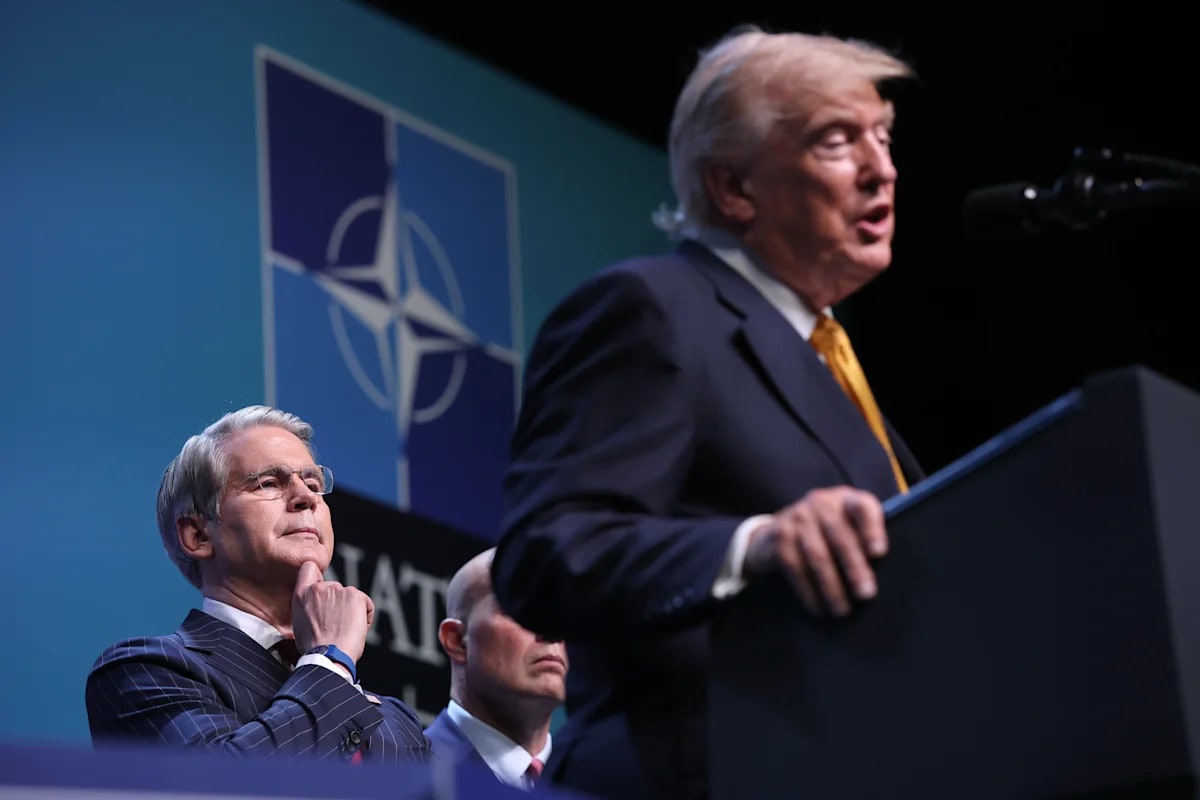
President Trump has announced a massive economic offensive against Iran, threatening severe penalties for any nation that assists Tehran. The policy, dubbed 'Operation Economic Fury,' has already triggered volatility in US stock markets.
The Escalation of 'Operation Economic Fury'
President Donald Trump has formally announced a new phase of intense economic pressure against Iran, characterizing the move as the "most crushing economic operation ever taken against any country." This aggressive stance, framed as an extension of the ongoing "Operation Economic Fury" campaign, signals a significant hardening of US foreign policy. By targeting not only the Iranian state but also any third-party nations or entities that attempt to provide a "lifeline" to Tehran, the administration is effectively mandating global compliance with its isolationist agenda.
The Strategic Objective: Total Economic Collapse
The stated goal of these measures, as articulated by officials like Bessent, is the total collapse of the current Iranian government. The strategy relies on a combination of existing sanctions and new, punitive threats directed at international financial institutions, airports, and private businesses. By threatening "tremendous consequences" for any country that facilitates Iranian commerce, the administration is forcing global allies and trading partners into a binary choice: comply with US-led economic warfare or face the weight of US retaliatory sanctions.
Market Volatility and Investor Reaction
The immediate impact of this announcement has been felt sharply on Wall Street. Following the President's declarations, Dow Jones Industrial Average futures and other major stock indexes saw a decline of approximately 0.7%. Investors are clearly pricing in the geopolitical risk associated with such an aggressive escalation. The market's reaction reflects broader fears that this "economic D-Day" could disrupt global supply chains, spike energy costs, and destabilize international trade relations, adding a layer of volatility that compounded with other market movements, such as the decline in Walmart's stock following its earnings report.
The 'Hanging by a Thread' Narrative
President Trump’s rhetoric suggests a belief that the Iranian state is already in a terminal decline. In a recent statement, he claimed that Iran’s military infrastructure—including its navy and air force—has been decimated and its currency rendered worthless. By characterizing the regime as "hanging by a thread," the administration is attempting to justify the intensity of these new sanctions as the final push needed to trigger a systemic collapse, rather than a mere diplomatic negotiation tactic.
Broader Implications and Future Trends
The shift toward secondary sanctions—penalizing those who help Iran—represents a departure from traditional multilateral diplomacy. This approach risks alienating key international players and may test the limits of US "financial hegemony." As the administration moves forward, the global community will be watching to see if this pressure campaign achieves its intended regime-change outcome or if it results in an even more entrenched and isolated Iranian state. Future trends will likely include increased monitoring of international financial flows and potential diplomatic friction between the US and nations that maintain strategic or humanitarian ties with Tehran.
Multiple Citing Sources