US body opposes Mohan Bhagwat’s visit this month, seeks sanctions on RSS members over religious freedom
Source Entity
Latest News: Todays Latest News Headlines from India & World | Hindustan Times | Hindustan Times
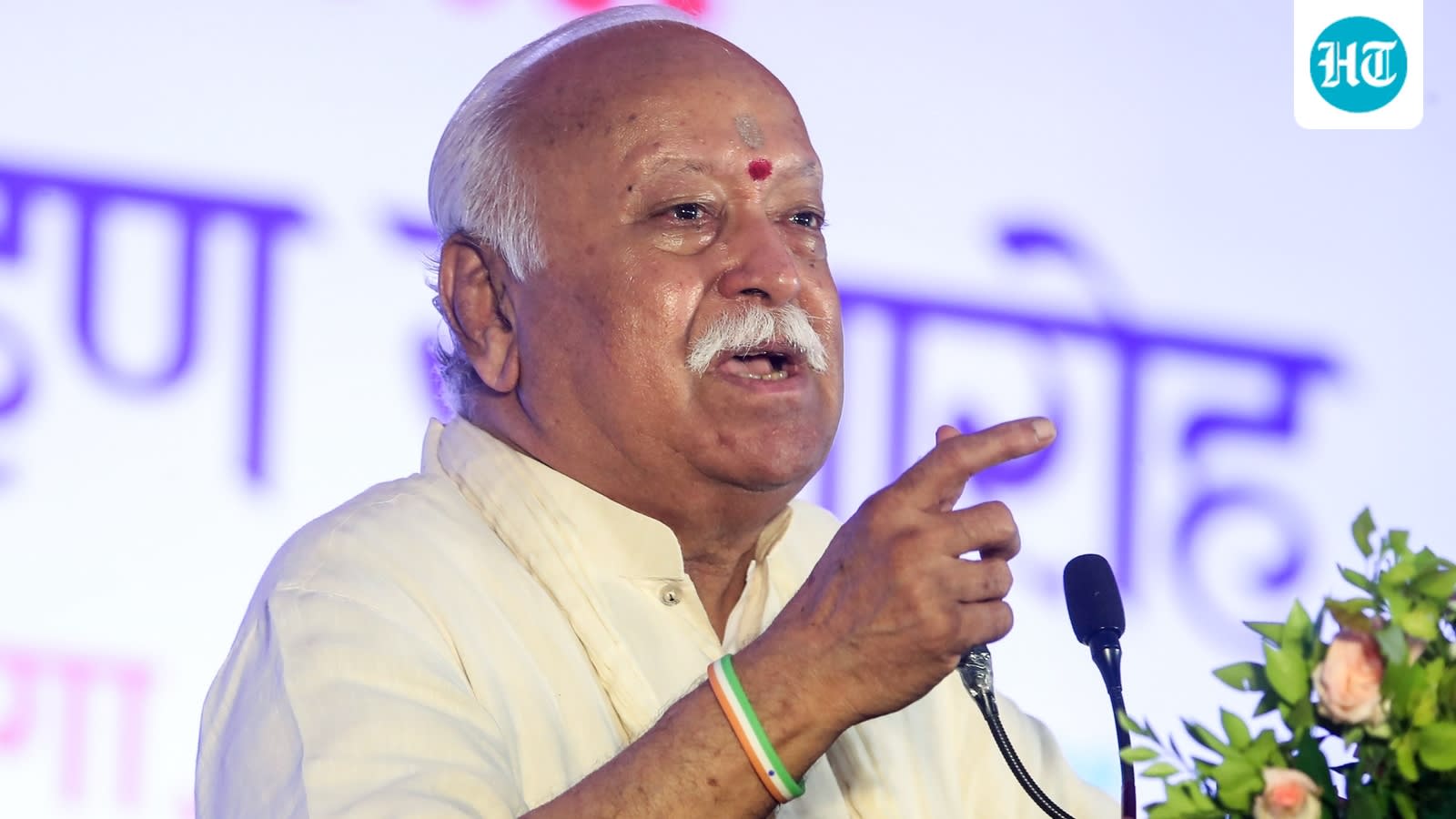
The US Commission on International Religious Freedom has called for sanctions against RSS members ahead of chief Mohan Bhagwat's upcoming tour. Meanwhile, a coalition of 100 groups has urged Canada to support the visit, citing its significance to the Hindu community.
Tensions Rise Over RSS Chief’s North American Tour
As Rashtriya Swayamsevak Sangh (RSS) chief Mohan Bhagwat prepares for a three-nation tour beginning August 25, his scheduled visit to the United States has ignited a significant diplomatic and ideological debate. The United States Commission on International Religious Freedom (USCIRF) has publicly opposed the visit, calling on the U.S. government to move beyond high-level engagement and instead consider sanctions against RSS members. This move by the federal commission highlights the intensifying scrutiny of the organization's activities and its influence on India’s religious landscape.
The USCIRF Stance and Allegations
The opposition from the USCIRF, led by chair Asif Mahmood, is rooted in allegations concerning religious freedom. The commission has explicitly linked the RSS to the targeting of religious minorities, including Christians and Muslims, within India. By framing the RSS as an umbrella organization that oversees groups allegedly responsible for such attacks, the USCIRF is signaling a shift toward a more confrontational diplomatic approach. The call for sanctions represents a significant escalation, aiming to hold the organization accountable for systemic issues related to human rights and religious liberty.
Counter-Arguments and Community Support
Conversely, the proposed visit has garnered support from a coalition of 100 groups, particularly regarding the Canadian leg of the tour. These organizations have formally urged the Canadian government to reject any calls for blocking Bhagwat’s entry, arguing that the visit is of "considerable interest" to the local Hindu community. This divide underscores the polarized nature of the discourse surrounding the RSS, where supporters view the leader’s presence as a vital cultural and spiritual connection, while critics view it as a platform for exclusionary politics.
Geopolitical Implications
The timing of this tour, which encompasses the United States, Canada, and the United Kingdom, places the RSS at the center of a complex international dialogue. Because Prime Minister Narendra Modi is a known member of the RSS, international criticism of the organization is frequently interpreted by supporters as an indirect critique of the Indian government itself. This creates a friction point in bilateral relations, where human rights advocacy from Western institutions collides with the diplomatic imperative to maintain strong ties with India.
Broader Context of Religious Freedom Advocacy
The USCIRF’s intervention serves as a reminder of the role that independent watchdog agencies play in shaping foreign policy. By focusing on "sanctions against RSS members found guilty of violating religious freedoms," the commission is utilizing its mandate to influence U.S. executive branch policy. This strategy aims to ensure that religious freedom remains a top-tier priority in American foreign policy, even when dealing with strategic allies.
Future Trends in Diplomatic Engagement
Looking ahead, this event sets a precedent for how international entities may approach visits from figures associated with controversial grassroots movements. If the U.S. government decides to act on the USCIRF’s recommendations, it could signal a cooling of relations or, at the very least, a shift toward more "values-based" diplomacy. Conversely, if the visits proceed without government intervention, it will reinforce the status quo where cultural and diaspora engagement remains largely insulated from formal human rights sanctions. The resolution of this specific tour will likely serve as a barometer for how future interactions between Western governments and Indian socio-political organizations are handled.
Verification Required?