Trump is expected to appoint Jay Clayton as new AI czar: Reports
Source Entity
Cointelegraph by Michael Millard
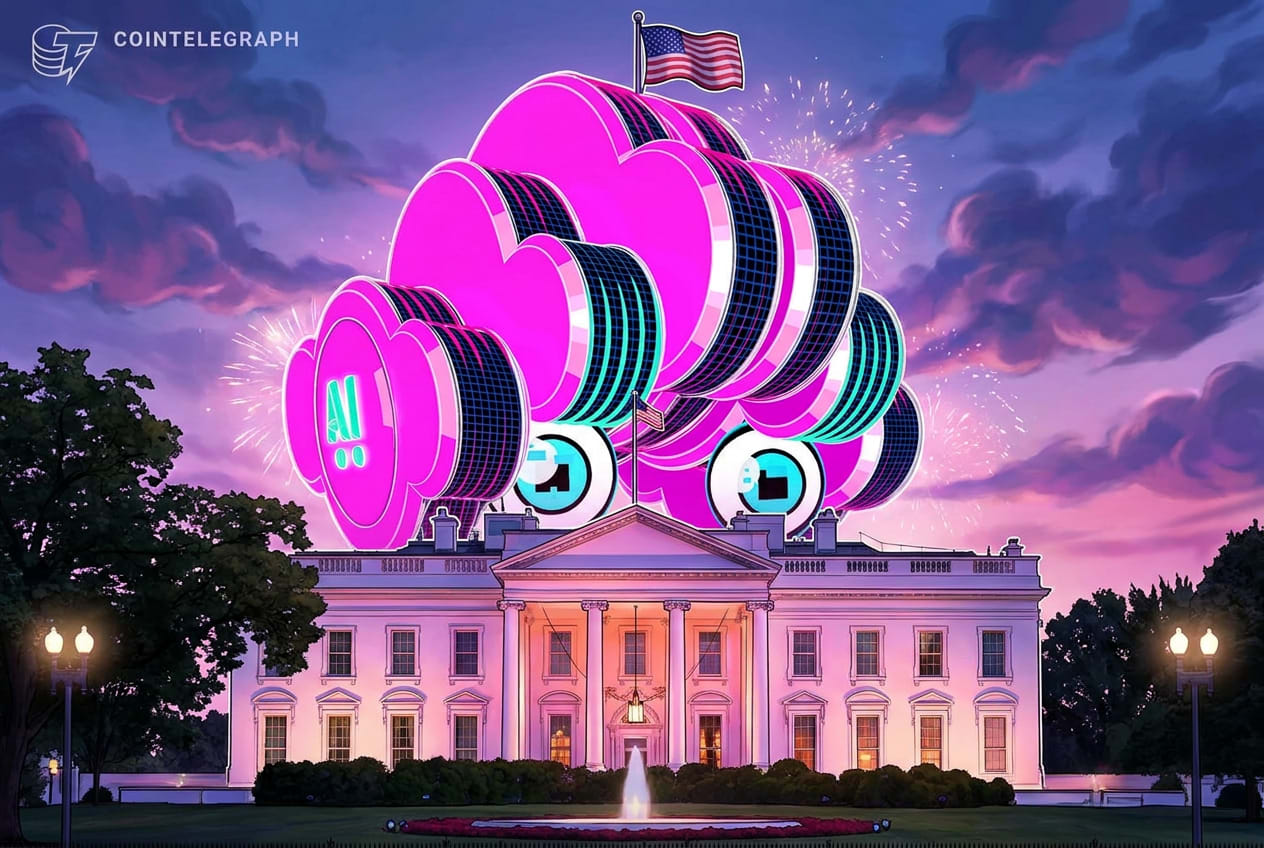
President Trump is reportedly set to appoint US Director of National Intelligence Jay Clayton as the nation's new AI czar. This role aims to oversee AI innovation and development while emphasizing self-policing by tech corporations over federal regulation.
The Emergence of the AI Czar: A Strategic Shift in Governance
President Donald Trump is reportedly moving to formalize his administration's approach to emerging technologies by appointing Jay Clayton, the current US Director of National Intelligence, as the nation’s inaugural 'AI czar.' This move signals a significant consolidation of power, bridging the gap between national security interests and the rapid, often volatile, development of artificial intelligence. By leveraging the expertise of an intelligence chief, the administration aims to ensure that the nation’s technological trajectory remains aligned with broader strategic imperatives.
The 'AI Force' Concept and Regulatory Philosophy
The appointment of a czar follows earlier reports regarding the administration's desire to establish an 'AI Force,' a structural initiative modeled after the Space Force. This concept reflects a desire to treat AI not merely as a commercial product but as a critical infrastructure domain. Central to this approach is the president's expressed preference for 'self-policing' among tech CEOs, rather than the imposition of heavy-handed federal regulations. The goal is to foster an environment of rapid innovation that can compete on a global stage without the perceived friction of bureaucratic oversight.
Balancing Innovation with National Security
Jay Clayton’s dual role—overseeing intelligence and now artificial intelligence—highlights the intersection of national security and private sector innovation. Because AI development is increasingly viewed through the lens of a global arms race, the appointment suggests that the administration views the sector as a vital component of intelligence and defense. By tasking an intelligence official with this oversight, the White House is positioning the government to monitor the development of advanced models while maintaining a light regulatory touch on the industry’s internal practices.
Industry Influence and the Self-Policing Model
The administration’s strategy appears to be a direct response to the industry's own calls for structure. Reports indicate that leaders in the field, such as Anthropic CEO Dario Amodei, have already begun proposing frameworks for safety and development, such as his documented three-step proposal. The administration’s reliance on these private-sector proposals suggests a collaborative model where the 'czar' acts as a liaison between the state and the developers, encouraging corporations to police their own safety standards rather than adhering to top-down government mandates.
Future Implications for Tech Policy
As this project moves forward, the primary challenge will be the tension between the desire for uninhibited innovation and the public warnings regarding the potential existential or societal dangers posed by AI. While the administration seeks to avoid regulations that could 'slow innovation,' the reality of AI’s impact on misinformation, privacy, and security may force the new czar to reconcile these competing interests. The success of this 'self-policing' experiment will likely serve as a blueprint for how the United States manages emerging technologies for the next decade, setting a standard that other global powers may eventually choose to adopt or reject.