Trump backs India-Middle East-Europe Economic Corridor, but with a 'Iran' caveat
Source Entity
AADRITA HALDER
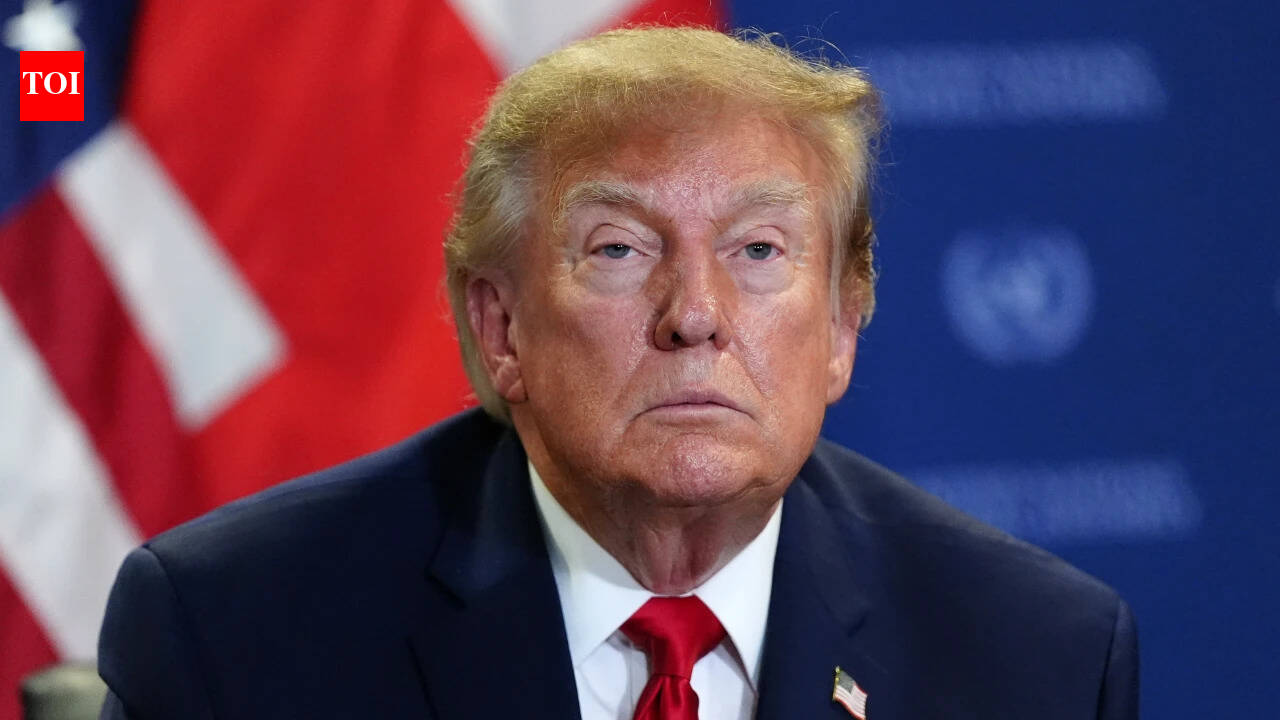
President Trump has endorsed the India-Middle East-Europe Economic Corridor (IMEC) as a strategic alternative to Iranian-controlled energy routes. The plan emphasizes regional stability and reliable supply chains, positioning IMEC as a superior logistics framework compared to proposals involving Syria.
Strategic Realignment: The Trump Administration’s Support for IMEC
President Donald Trump’s recent endorsement of the India-Middle East-Europe Economic Corridor (IMEC) on the sidelines of the United Nations General Assembly marks a significant pivot in U.S. foreign policy regarding global energy security. By explicitly calling for a shift in Middle East energy infrastructure away from Iranian checkpoints, the administration is prioritizing the creation of a secure, bypass-oriented logistics network that minimizes the geopolitical leverage held by Tehran.
The Strategic Imperative of Bypassing Iran
The core objective of this endorsement is to mitigate the risks associated with critical energy transit points currently vulnerable to Iranian influence. The IMEC framework is designed to provide a robust alternative, ensuring that oil and gas flows from Gulf suppliers reach refineries in India and consumer markets in the Indian subcontinent and Europe without being subject to potential blockades or political volatility in the Strait of Hormuz or other Iranian-controlled maritime corridors.
Comparing Alternatives: Syria vs. IMEC
While some Western think tanks previously proposed utilizing Syria as an energy transit corridor to the Mediterranean, the Trump administration has signaled a preference for the IMEC model. The primary critique of the Syrian route lies in the persistent instability of the Syrian regime. Despite some external support, the structural integrity of the Syrian state remains in question, making it a high-risk gamble for long-term energy infrastructure investments.
The Logistical Architecture of IMEC
IMEC represents a more stable and viable proposition due to its multi-modal design. The route connects India’s Mundra port to the UAE’s Fujairah port via secure sea lanes, establishing a reliable bridge between the Gulf’s energy-rich producers and the growing demand centers in Asia and Europe. This connectivity is intended to foster greater economic integration between the Gulf states and their partners, creating a stable geopolitical bloc that functions independently of the current Iranian-dominated transit paradigm.
Future Implications for Global Energy Markets
Looking ahead, the success of IMEC will depend on the continued cooperation of regional stakeholders, including the active participation of countries like Saudi Arabia. If realized at scale, this corridor will not only reconfigure the map of global energy distribution but also provide a powerful economic incentive for regional allies to maintain security cooperation. By anchoring the corridor in stable, allied nations, the U.S. aim is to create a durable, market-driven solution that secures energy supply chains for the foreseeable future.