Xi-Modi consensus paves way for stronger India-China bilateral ties: Chinese envoy
Source Entity
Sweety Kumari
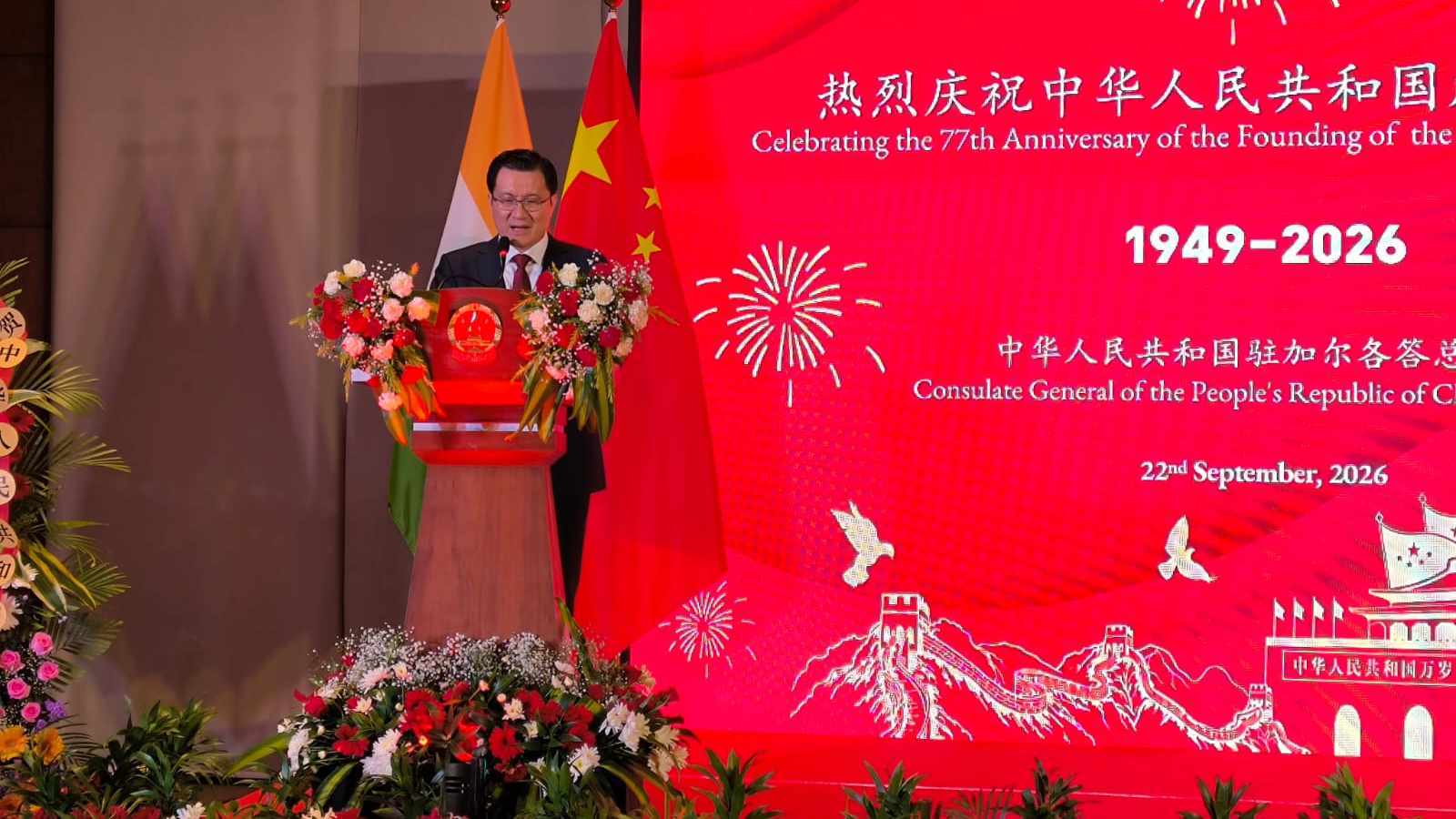
Chinese Consul General Xu Wei has highlighted a renewed commitment to India-China partnership following the September 12 meeting between President Xi Jinping and PM Narendra Modi. This diplomatic shift seeks to prioritize bilateral cooperation and stability between the two Asian powers.
A New Diplomatic Horizon: India-China Relations
The recent assertion by Chinese Consul General Xu Wei regarding the September 12 meeting between President Xi Jinping and Prime Minister Narendra Modi marks a potentially significant pivot in the geopolitical landscape of Asia. By emphasizing that the primary consensus reached between the two leaders is to function as partners rather than rivals, the diplomatic rhetoric suggests a deliberate effort to move beyond recent historical friction. This development, articulated at the 77th anniversary of the People’s Republic of China in Kolkata, underscores the importance of high-level dialogue in managing the complex interplay between the world's two most populous nations.
The Significance of the Xi-Modi Consensus
At the core of this rapprochement is the explicit characterization of the bilateral relationship as a partnership. Historically, the India-China relationship has been characterized by a delicate balance between robust economic ties and deep-seated border disputes. By elevating the dialogue to the level of the two heads of state, the consensus serves as a strategic roadmap aimed at stabilizing regional volatility. The presence of senior Indian officials, including Ashish Middha from the Ministry of External Affairs, at the Kolkata reception further signals a willingness to engage at a formal diplomatic level to reinforce these positive sentiments.
Economic and Regional Implications
For India and China, the shift toward a partnership model carries profound economic implications. As both nations seek to navigate a post-pandemic global economy, the necessity of maintaining stable supply chains and regional trade routes becomes paramount. A collaborative approach could facilitate greater market access and investment, provided the political framework remains stable. The emphasis on the September 12 meeting as a foundational moment suggests that both governments are aware that sustained economic growth is contingent upon a predictable and manageable bilateral environment.
Diplomatic Signaling and Future Trends
Diplomatic events such as the National Day Reception serve as essential barometers for the health of international relations. When a high-ranking diplomat like Xu Wei speaks on the necessity of partnership, it is rarely a coincidence; it is a calculated signal intended to reassure stakeholders that the leadership in Beijing is prioritizing stability. Looking ahead, the success of this diplomatic overture will likely be measured by the frequency of such high-level engagements and the tangible progress made on outstanding issues that have historically clouded the bilateral relationship.
Navigating the Path Forward
While the rhetoric is optimistic, the path to a fully realized partnership remains complex. The involvement of state officials from the West Bengal government, such as Priya Yadav, highlights the importance of sub-national cooperation in broader international relations. Moving forward, the focus will likely remain on maintaining the momentum generated by the September 12 consensus. By prioritizing diplomatic channels and shared interests, India and China can work toward mitigating the risks of escalation, thereby fostering a more secure environment for regional development and mutual prosperity.