Trump denies offering US weapons to China, contradicts ambassador’s account
Source Entity
SUBHADRA SRIVASTAVA
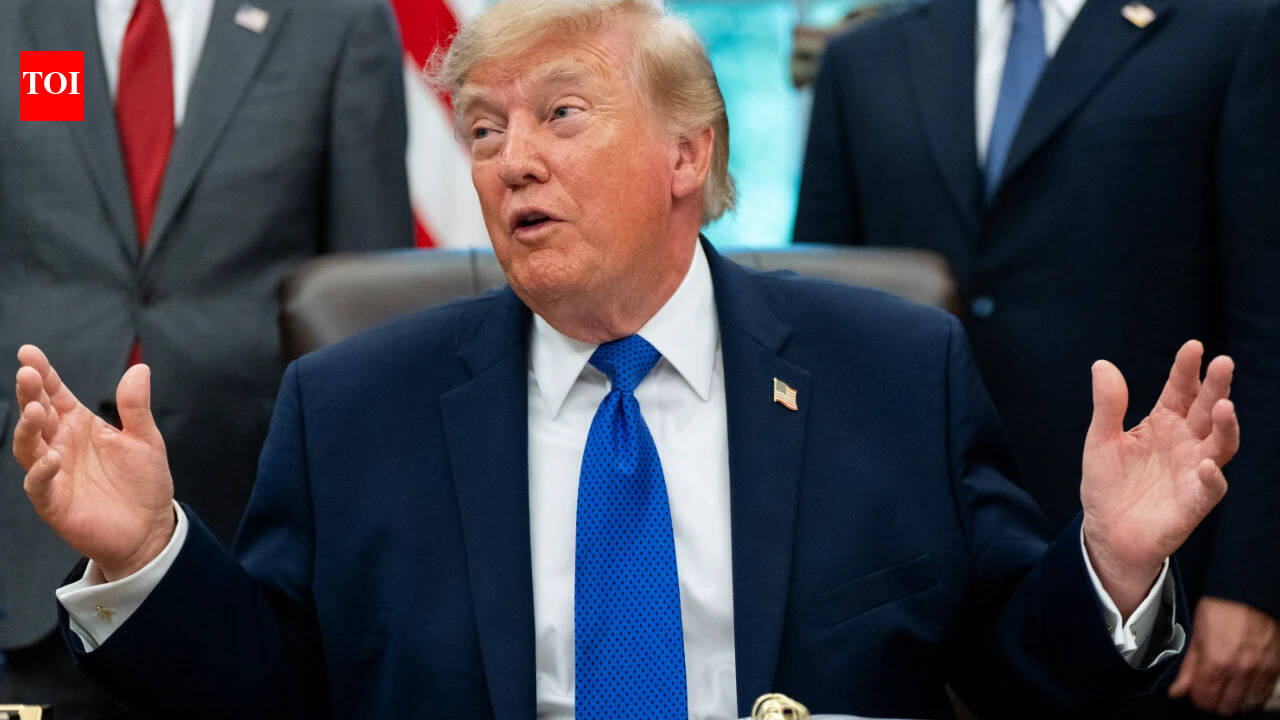
President Trump has denied US Ambassador David Perdue’s claim that he offered to sell American weapons to Chinese President Xi Jinping. The confusion appears to stem from ongoing US efforts to balance arms sales to Taiwan while maintaining diplomatic ties with China.
Diplomatic Disconnect: The Trump-Perdue Arms Offer Contradiction
A Sudden Contradiction
A significant diplomatic discrepancy has emerged following reports that U.S. Ambassador to China, David Perdue, claimed President Donald Trump offered to sell American weapons to Chinese President Xi Jinping during a recent state visit. President Trump has categorically denied this assertion, expressing confusion when questioned by the press and suggesting that the Ambassador may have conflated China with Taiwan in his recollection of the exchange. This public disagreement highlights a rare and potentially damaging misalignment between the White House and its top diplomat in Beijing.
The Context of the Proposed Sale
The controversy originated from an interview on 'Fox News Sunday,' where Ambassador Perdue stated that the President’s offer was a rhetorical response to President Xi’s objections regarding U.S. arms sales to Taiwan. According to Perdue, Trump attempted to downplay the significance of pending arms packages to the democratically governed island by noting that the U.S. sells weapons globally, subsequently asking if China itself would be interested in such transactions. This narrative suggests an attempt at high-stakes brinkmanship or perhaps a misunderstood diplomatic overture intended to normalize the U.S. stance on global defense exports.
Implications for U.S.-China-Taiwan Relations
The core of this geopolitical friction lies in the "One China" policy and the delicate balancing act the United States maintains in the Indo-Pacific. By allegedly offering weapons to China, the administration risked signaling a radical departure from its long-standing commitment to Taiwan’s defense. Even the mere suggestion of such an offer creates significant alarm, as it implies a potential shift in the security architecture of the region. The ambiguity of the exchange complicates the U.S. position, as it forces the administration to clarify its intent regarding Taiwan’s sovereignty and its broader military strategy toward Beijing.
Policy Uncertainty and Administrative Dissonance
The discrepancy between the President’s denial and the Ambassador’s account raises questions regarding the consistency of U.S. foreign policy communication. When a head of state and his appointed envoy provide conflicting accounts of a sensitive geopolitical negotiation, it creates room for miscalculation among international allies and rivals alike. The administration’s immediate effort to distance itself from the claim suggests that the White House recognizes the political and strategic liability of being perceived as willing to trade regional security for economic or diplomatic rapport with China.
Historical Context and Future Trends
Historically, U.S. arms sales to Taiwan have been a consistent source of tension between Washington and Beijing, often serving as a barometer for the state of bilateral relations. The fact that this topic was at the center of a high-level summit indicates that security remains the primary pillar of the U.S.-China dynamic. Moving forward, the trend suggests that the U.S. will continue to face pressure to balance its commercial interests with its security obligations. Future diplomatic engagements will likely require more rigorous vetting of public statements to prevent such misunderstandings from escalating into deeper geopolitical crises.
Conclusion
Ultimately, the contradictory statements regarding the arms offer serve as a stark reminder of the complexities inherent in managing the U.S.-China-Taiwan triangle. Whether the result of a misremembered conversation or a genuine misunderstanding of diplomatic rhetoric, the incident highlights the fragility of communication in international relations. As the U.S. navigates its pending arms commitments to Taiwan, the administration will likely prioritize clarifying its strategic intent to ensure that its regional allies remain confident in American commitments.
Multiple Citing Sources