Trump policies to cost middle-income Americans $1,700 more in 2026, while richest 1% save $12,560: Report
Source Entity
Latest News: Todays Latest News Headlines from India & World | Hindustan Times | Hindustan Times
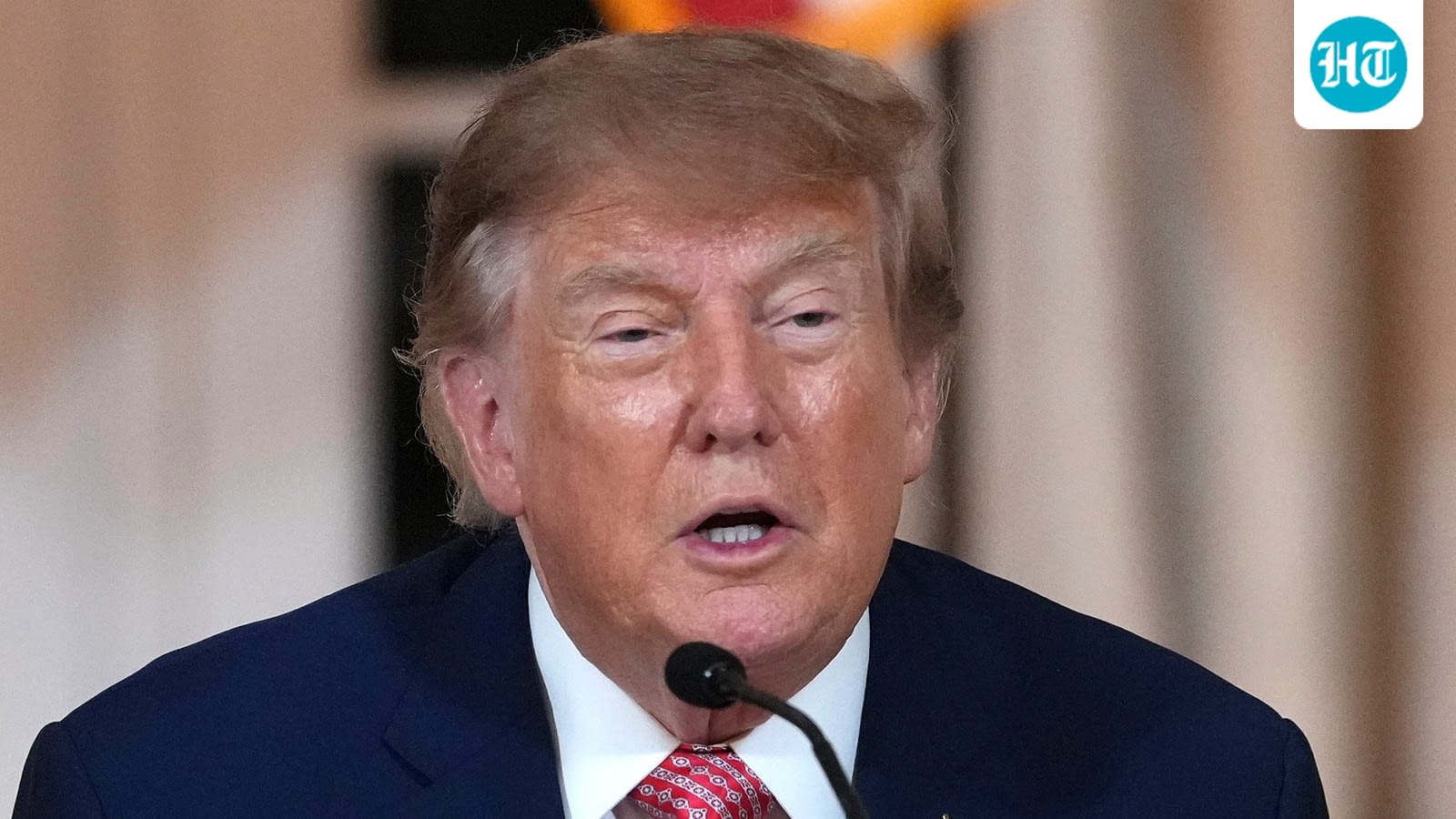
A new report from the Institute on Taxation and Economic Policy estimates that Donald Trump's economic policies will cost middle-income Americans $1,700 more in 2026. Conversely, the wealthiest 1% of earners are projected to see significant savings of approximately $12,560.
Economic Impact Analysis: Disparities in Projected 2026 Tax Burdens
A recent report published by the Institute on Taxation and Economic Policy (ITEP) has ignited a significant debate regarding the trajectory of American fiscal policy under the administration of Donald Trump. The analysis suggests a stark divergence in economic outcomes, projecting that by 2026, the financial burden on the average American household will increase, while the nation’s highest earners will experience substantial tax relief.
The Middle-Class Squeeze
According to the ITEP findings, the middle 20% of income earners are expected to face an additional $1,700 in annual costs, categorized primarily as tax increases and associated fiscal adjustments. This projection highlights the potential vulnerability of middle-income families to shifts in federal tax structures. When these costs are viewed in the context of broader inflationary pressures and stagnant wage growth, a $1,700 annual increase represents a significant reduction in disposable income, potentially impacting consumer spending power and household savings rates.
Disproportionate Impact on Lower-Income Brackets
Beyond the middle class, the report indicates that the poorest 20% of Americans will also face increased financial strain, with projected costs rising by approximately $750 per year. This suggests that the fiscal policies in question do not merely shift the burden upward but create a broad-based increase in costs for the majority of the population. For households already living near the poverty line, even a nominal increase in tax obligations can have cascading effects on food security, housing stability, and access to essential services.
Gains for the Wealthiest 1%
Perhaps the most contentious aspect of the report is the projected windfall for the top 1% of earners. While the majority of the population faces rising costs, this demographic is estimated to save approximately $12,560 in 2026. This stark contrast illustrates a regressive shift in the tax burden, where the economic benefits of the administration's policies are concentrated at the top of the income spectrum, while the costs are socialized among lower and middle-income tiers.
Broader Economic and Political Implications
The ITEP report, which describes itself as a left-leaning economic think tank, provides a critical perspective on how tax policy serves as a tool for wealth distribution. The implications of these projections are significant for future election cycles and legislative debates. As voters consider the long-term effects of current fiscal strategies, the disparity between the $1,700 cost for the middle class and the $12,560 savings for the ultra-wealthy will likely become a focal point of partisan discourse regarding economic fairness and the efficacy of supply-side economic models.
Conclusion
In summary, the 2026 projections from the ITEP offer a sobering outlook for the average American taxpayer. By highlighting that policy changes often result in a 'net-cost' scenario for the middle and lower classes while providing substantial relief to the wealthiest citizens, the report underscores the ongoing tension in American politics regarding tax equity. Future trends will likely see increased scrutiny on how such fiscal policies influence national debt, income inequality, and the overall stability of the American middle class.
Verification Required?