Trump Says Israel Should Stop Striking Gaza
Source Entity
Latest News: Todays Latest News Headlines from India & World | Hindustan Times | Hindustan Times
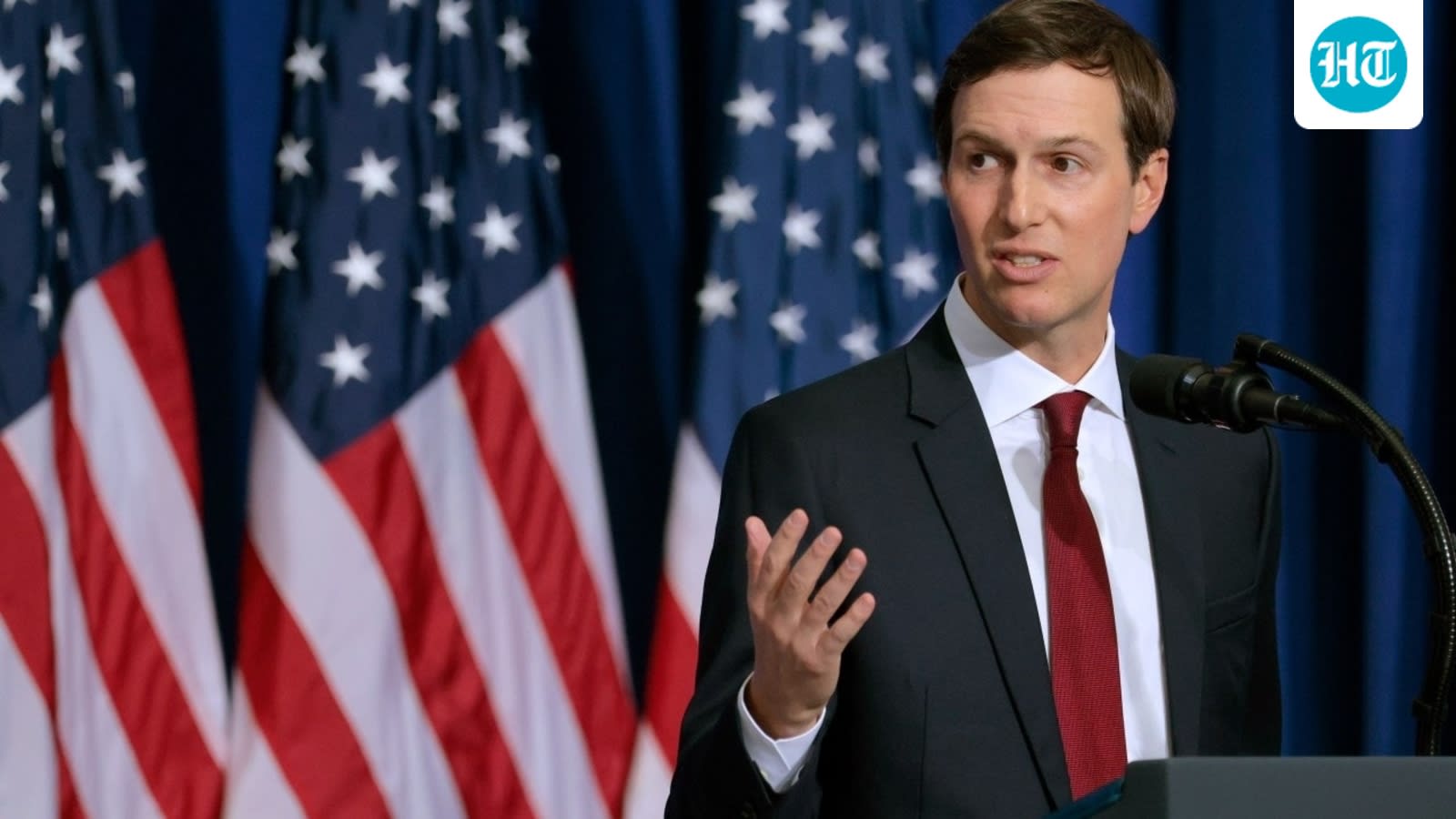
President Trump has publicly urged Israel to halt strikes in Gaza, citing a potential disarmament agreement with Hamas. Meanwhile, envoy Jared Kushner is conducting high-stakes talks with both Israeli and Hamas leadership to salvage a peace plan.
Diplomatic Tensions Surface in Middle East Negotiations
A significant diplomatic rift has emerged between the United States and Israel, as President Trump publicly challenged the military strategy of Prime Minister Benjamin Netanyahu. The core of the contention lies in the ongoing conflict in Gaza, where President Trump has explicitly stated that Israel should cease its strikes. This public disagreement signals a rare moment of friction between two traditionally close allies, highlighting the complexities of navigating the ceasefire and disarmament process in the region.
The Role of Jared Kushner as Envoy
Jared Kushner, serving as the primary envoy for these negotiations, has been central to the effort to bridge the gap between opposing sides. His schedule reflects the intensity of this diplomatic push, having held discussions with Hamas officials on Sunday, followed by a meeting with Prime Minister Netanyahu in Jerusalem on Monday. The objective of these meetings is to salvage a broader peace initiative aimed at the disarmament of Hamas, a proposal that has faced significant hurdles.
The Disarmament Proposal and Israeli Resistance
At the heart of the current stalemate is a proposed plan for a phased disarmament of Hamas. Prime Minister Netanyahu has publicly rejected the framework currently being pushed by the Trump administration. Despite the administration's claims that Hamas has signaled a willingness to lay down its weapons, Israel remains skeptical, choosing instead to continue its military operations against militants—including those allegedly involved in the October 7, 2023, attacks and hostage-taking incidents.
Divergent Perspectives on Security
President Trump’s stance appears rooted in the belief that the conditions for a cessation of hostilities have been met, specifically citing the potential for Hamas to disarm. Conversely, the Israeli government continues to prioritize active military measures to ensure national security and dismantle the infrastructure of the militant group. This disconnect underscores the difficulty of synchronizing international diplomatic efforts with the domestic security concerns of the Israeli state.
Looking Toward a 30-Day Window
Despite the current lack of consensus, there is a stated timeline for potential progress. Jared Kushner has indicated that the process of disarming Hamas could theoretically commence within 30 days. Whether this timeline is realistic remains a subject of intense debate, as it requires both the cooperation of Hamas and the approval of the Israeli government, both of which currently maintain conflicting operational priorities in the Gaza Strip.
Future Implications for Regional Stability
The success or failure of these negotiations will likely have profound implications for the future of the Gaza conflict. If the administration's plan gains traction, it could lead to a significant de-escalation of violence. However, if the divide between Washington and Jerusalem continues to widen, the prospect of a unified strategy for peace becomes increasingly remote. The coming month will be critical in determining if diplomacy can supersede military action in this volatile theater.
Verification Required?